
Blooming
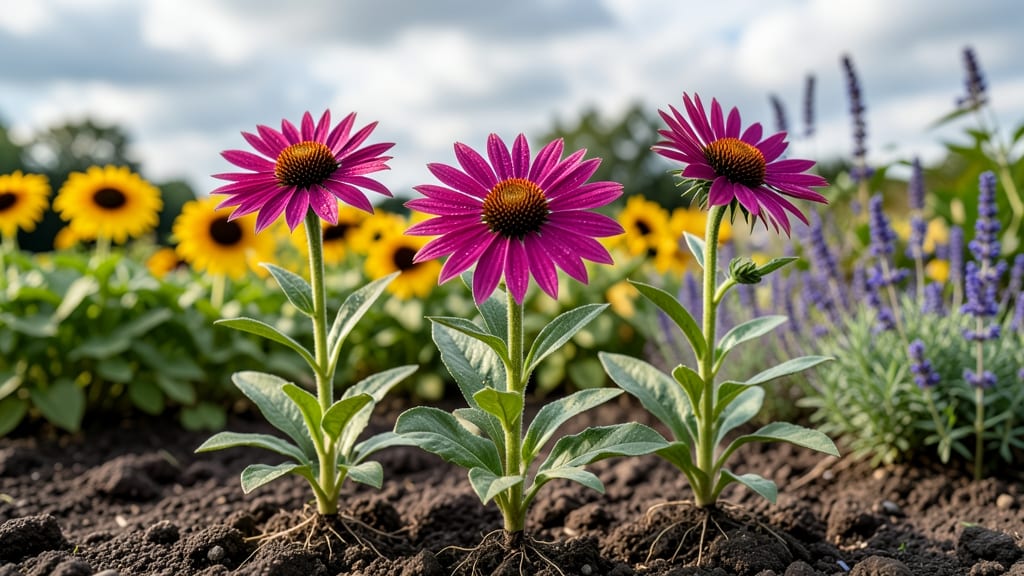
For Zone 8 perennials that bloom all summer, focus on heat-loving varieties like black-eyed Susan, coneflower, and butterfly bush, which deliver continuous color from June through September with minimal upkeep. Drought-resistant options such as Lantana or Salvia extend your seasonal display while attracting pollinators.
These heat-tolerant perennials thrive because they've evolved deep root systems that access moisture underground, plus waxy leaves that reduce water loss. 🌿 The key to their long bloom cycles is strategic pruning—cutting back spent blooms encourages new growth, while mulching helps retain soil moisture during Zone 8's intense summers.
I've found that pairing these with native grasses creates a low-maintenance landscape that stays vibrant all season long.
Pro tip: Most of these plants prefer well-draining soil with occasional deep watering rather than frequent shallow watering. A 2-inch layer of mulch around the base can make all the difference in heat retention and moisture conservation.
For maximum impact, plant them in groups of three or more—their combined foliage creates a lush backdrop that makes the blooms pop even more.
💡 In This Article
- Why These Perennials Thrive in Zone 8 Heat
- Planting and Maintenance Schedule for Nonstop Summer Blooms
Why these perennials thrive in Zone 8 heat
These summer-blooming perennials have evolved remarkable heat adaptations that keep them thriving when temperatures regularly hit 90-100°F in Zone 8. The most critical feature is their deep taproot systems, which can extend 3-5 feet underground to access moisture during drought conditions.
For comparison, shallow-rooted annuals like marigolds only reach 12-18 inches deep, making them far more vulnerable to summer heat stress. 🔥
The waxy, leathery leaves of plants like Lantana and Salvia create a protective barrier that reduces water loss through transpiration by up to 40% compared to softer-leaved plants. This adaptation allows them to maintain turgor pressure (internal water pressure) even when surface soil dries out.
Another key mechanism is their ability to produce heat-resistant pigments called anthocyanins, which not only give flowers their vibrant colors but also help protect cells from UV damage during long summer days.
Seasonal growth patterns play a crucial role too. Many of these perennials follow a biennial bloom cycle adapted to Zone 8's climate: they establish strong roots in spring, bloom prolifically through summer, then go semi-dormant in late fall while still maintaining some foliage.
This strategy conserves energy during hot periods while ensuring continuous flowering. For example, butterfly bush produces new flower buds on current season's growth, allowing it to rebloom after deadheading, while black-eyed Susan stores energy in its deep roots for next year's display.
One often overlooked factor is their heat-tolerant pollinators. These perennials have evolved alongside local bees, butterflies, and hummingbirds that thrive in summer heat, creating a mutually beneficial ecosystem.
The flowers often contain nectar with higher sugar concentrations (up to 25% sucrose) that attracts these pollinators even when temperatures rise, ensuring successful reproduction. This symbiotic relationship means these plants not only survive but actually flourish in Zone 8's intense summers.
Soil temperature also plays a surprising role in their success. Most prefer soil temperatures between 70-85°F for optimal root growth, which is why they often perform better in mulched beds where soil stays cooler.
The mulch layer (typically 2-3 inches of organic material) also helps moderate temperature fluctuations that can stress plant roots. This is why you'll see many of these perennials thriving in south-facing beds where they get maximum sunlight without the extreme temperature swings of exposed areas.
What most gardeners don't realize is that these plants actually require some heat to trigger their full bloom cycles. For instance, coneflower needs at least 1000 heat units (measured in growing degree days) to produce its characteristic daisy-like flowers.
This heat requirement explains why they often bloom later in Zone 8 than in cooler climates, but once established, they'll continue flowering until frost because their growth isn't limited by temperature constraints like many cool-season perennials. ✨