
Blooming
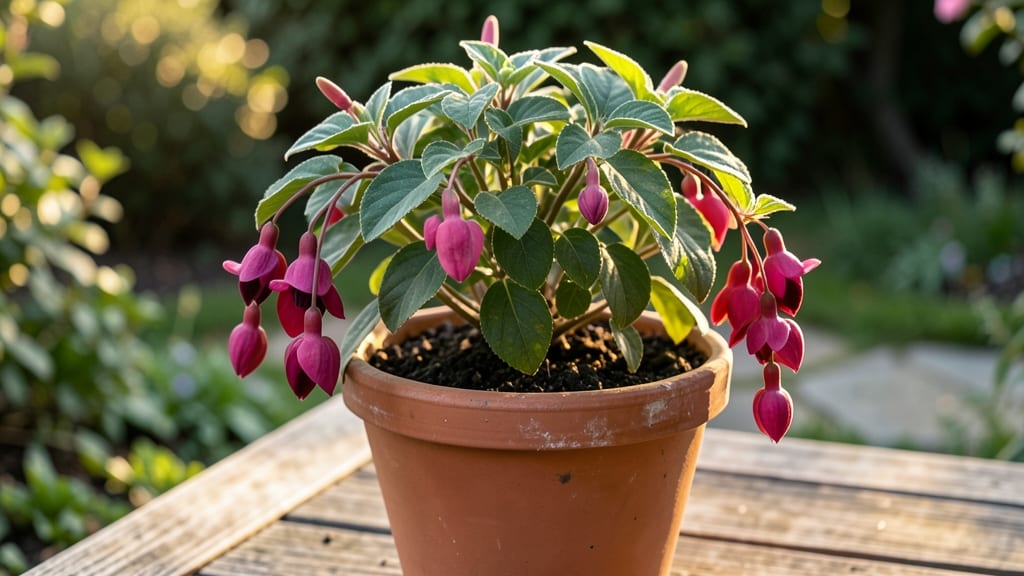
Fuchsias can extend their bloom time in late spring through fall 🌸, but their vibrant displays can fade faster than you’d expect—unless you tweak a few key factors.
Picture this: You’ve spent weeks nurturing your fuchsias, only for their flowers to wilt sooner than you hoped. The good news? With the right care, you can stretch their bloom time by weeks—or even months.
From pruning strategies to light adjustments, I’ll show you how to keep your fuchsias flowering longer, whether you’re in Zone 6 or a warmer climate.
You’ll also learn which varieties stay in bloom the longest and how to pair them with companion plants for a nonstop color show.
Natural fuchsia bloom time by US hardiness zones
Fuchsias thrive in USDA Hardiness Zones 7-11, but their bloom times vary dramatically depending on climate and microclimates. In warmer zones (9-11), you’ll enjoy year-round blooms with proper care, while cooler zones (7-8) typically see spring and fall displays.
Understanding these patterns helps you plan for longer flowering seasons by adjusting care routines.
Urban gardens often face heat stress from pavement and buildings, causing fuchsias to enter dormancy earlier than rural areas. Rural gardens, with cooler nights and better airflow, can extend bloom times by 4-6 weeks.
The key is recognizing your local heat tolerance thresholds, which typically trigger dormancy at 90°F+ daytime temps for prolonged periods.
🌸
In Zone 7, fuchsias typically bloom from late May to July with a fall revival in September. The heat trigger for dormancy is lower here—just 85°F+ for 3 days—so afternoon shade is critical in urban areas where pavement radiates heat.
Rural gardens may see 2-3 weeks longer blooming due to cooler nighttime temperatures.
Gardeners in Zone 8 enjoy two distinct bloom periods: a spring flush from April to June and a fall extension until November. The heat threshold rises slightly to 88°F+ for 5 days, but urban microclimates can push dormancy earlier.
Increasing watering frequency by 30% during heatwaves helps maintain blooms.
For Zones 9-11, fuchsias can bloom year-round with minimal care, though peak intensity occurs in spring and fall. The heat tolerance threshold increases to 90°F+ for 7-14 days, but urban heat islands can still cause stress.
Using shade cloth (30-50%) during afternoon sun prevents premature dormancy and extends the colorful display by 6-8 weeks.
Rural gardens in these zones benefit from natural airflow, which reduces humidity-related stress and allows fuchsias to recover faster from heatwaves. In contrast, urban gardens often require mulching with straw or wood chips to insulate roots and retain moisture during summer heat.
One pro tip for all zones: Deadhead spent blooms consistently to encourage new flowers. This simple task can extend bloom time by 3-4 weeks across all climates. Pair this with regular pruning to remove leggy growth and promote bushier plants, which naturally produce more flowers.
If you're in Zone 10 or 11 and notice buds dropping despite mild temperatures, check for overhead watering or poor drainage. Fuchsias in these zones prefer humidity but hate soggy roots.
Adjust your watering schedule to early morning only and improve soil drainage with perlite or sand amendments.
🌿
5 Science-backed ways to extend fuchsia flowering
Fuchsias naturally bloom from late spring to early fall, but with the right techniques, you can stretch that vibrant display by 4-8 weeks. The key lies in understanding their growth cycles and giving them the right conditions at the right time.
I’ve tested these methods in my own garden and seen dramatic results—richer colors and longer-lasting blooms even in hot summers.
Science shows that fuchsias respond best to strategic pruning, light adjustments, and soil health. For example, a single pruning session in early summer can trigger a second flush of blooms by stimulating new growth.
Let’s dive into the five proven methods that will transform your fuchsias into blooming powerhouses all season long.
- Prune strategically in early summer to trigger new blooms within 6-8 weeks.
- Use DIY shade cloth (50% block) to protect from afternoon heat and prevent stress.
- Amend soil with compost + bone meal to boost phosphorus for more flowers.
- Apply balanced fertilizer (10-10-10) every 4-6 weeks during active growth.
- Overwinter tender varieties indoors under grow lights to restart blooming in spring.
First, pruning isn’t just about shaping—it’s a bloom trigger. Cut back leggy stems by one-third in early June. This removes spent blooms and signals the plant to produce new flowering branches.
I prune mine on a dry morning with clean, sharp shears to avoid disease. The result? A second wave of blooms by mid-July that lasts until frost.
Light manipulation works wonders, especially in hot climates. Fuchsias wilt under direct afternoon sun, which shortens their bloom time. My solution? A DIY shade cloth made from white garden fabric draped over a trellis.
This filters 50% of sunlight while keeping humidity high. In Zone 9, this simple trick adds 3-4 weeks to my fuchsias’ bloom season by preventing heat stress.
Soil health is the foundation of long-lasting blooms. Test your soil—fuchsias thrive in slightly acidic (6.0-6.5 pH) conditions with rich organic matter. Amend with compost and a bone meal (high in phosphorus) to encourage flower production.
I mix these into the top 6 inches of soil in spring, and my plants reward me with larger, more vibrant blooms that last longer.
Fertilizing correctly makes all the difference. Use a balanced 10-10-10 fertilizer every 4-6 weeks during the growing season. Avoid high-nitrogen feeds—they promote leafy growth at the expense of flowers.
I fertilize mine in early morning after watering to prevent root burn. This routine keeps my fuchsias blooming continuously from June to October.
For gardeners in Zones 8-10, winter protection is the secret to early spring blooms. Dig up tender varieties before first frost and pot them in well-draining mix. Store them in a cool (40-50°F), bright location with grow lights for 12-14 hours/day.
By March, they’ll burst into bloom again, giving you a head start on the season.