
Blooming
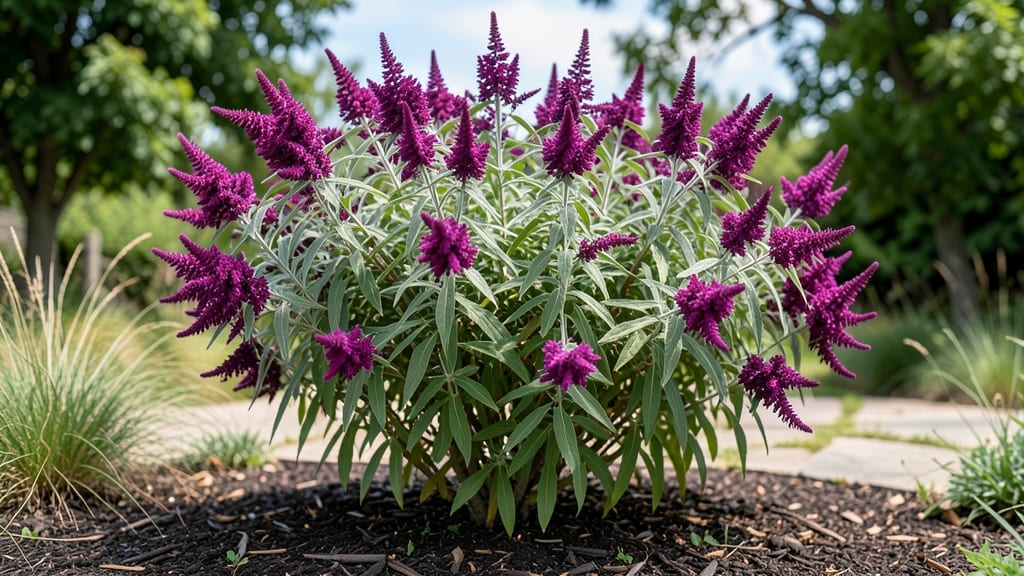
The butterfly bush bloom time depends on your variety and hardiness zone—most burst into 🦋-loving color between mid-June and August, but some late bloomers stretch into September.
Wondering why your butterfly bush isn’t blooming when you expected it to? The timing of butterfly bush bloom time varies dramatically by variety—and your hardiness zone could be the secret to unlocking longer, more vibrant flowers.
For example, 'Black Knight' typically blooms 2-3 weeks earlier than 'Lo & Behold,' while cooler climates like Zone 6a may delay first flowers until late June. Pruning and sunlight also play a role—cutting back too late or planting in shade can push blooms later.
Inside, I’ll break down the exact bloom windows for popular varieties, how to adjust for your zone, and the 3 pruning mistakes that sabotage reblooms—so you can plan your garden for maximum color all season.
Butterfly bush bloom time by variety: when to expect first & reblooms
If you’ve ever waited impatiently for your butterfly bush to bloom, you’re not alone. The bloom time for these pollinator magnets varies wildly by variety—and even your USDA zone plays a starring role.
Some cultivars burst into color by early summer, while others linger into fall, offering reblooms that keep butterflies buzzing all season. Let’s break down what to expect from your favorite Buddleia varieties, zone by zone.
First-time bloomers often appear between late May and early July, depending on where you live. In Zone 5, cooler springs can delay things by 2-3 weeks, while Zone 10 gardeners might see flowers as early as April. The key?
Understanding your plant’s genetic bloom triggers and how to work with (or around) your local climate. For example, ‘Black Knight’ is famous for its dark purple blooms that appear slightly later than lighter varieties, while ‘Moonlight’ often starts its show a full month earlier.
Here’s the game-changer: most butterfly bushes are once-blooming unless you prune them correctly. Reblooms—those second waves of flowers—require late-winter pruning to remove old wood and stimulate new growth.
In Zones 7-10, you might see two flushes of blooms if you time your cuts right, while colder zones (like Zone 5) may only get one showstopping display. Let’s dive into the specifics so you can plan your garden’s pollinator party like a pro.
| Variety | First Bloom Window (Zones 5-10) | Rebloom Potential | Zone Adjustments | Bloom Color |
|---|---|---|---|---|
| Black Knight | Late June - Early July (Zones 5-7); May - June (Zones 8-10) | Yes (with pruning) | Delays in Zones 5-6; earlier in Zones 9-10 | Deep purple-black |
| Purple Smoke | td style="padding: 10px;">Early July - Mid-August (all zones)No (once-blooming) | Consistent across zones; heat-tolerant | Lavender-purple | |
| Moonlight | May - Early June (Zones 5-10) | Yes (moderate) | Earliest bloomer; thrives in Zones 6-9 | Soft white |
| Lo & Behold® | June - July (Zones 5-8); May - June (Zones 9-10) | Yes (strong) | Compact growth; blooms 2-3 weeks earlier than standard types | Purple with white eyes |
| Royal Violet | Late June - August (all zones) | No (once-blooming) | Longest bloom duration; heat-loving | Violet-purple |
| Nanho Blue | June - July (Zones 6-10); July - August (Zone 5) | Yes (with pruning) | Dwarf variety; blooms later in colder zones | Blue-violet |
Notice how ‘Moonlight’ and ‘Lo & Behold®’ often bloom earlier than their counterparts? That’s because they’re bred for extended bloom windows and reblooming potential.
If you’re in Zone 5, focus on ‘Black Knight’ or ‘Nanho Blue’ for reliable summer color, while Zone 10 gardeners can enjoy ‘Royal Violet’ from May through August.
The secret to unlocking these timelines? Pruning in late winter (before new growth starts) to remove dead wood and encourage fresh shoots.
For reblooming varieties like ‘Black Knight’ or ‘Lo & Behold®’, the magic happens when you cut back 1/3 of the oldest stems in February or March. This forces the plant to redirect energy into new growth, which then produces secondary flower buds.
In Zones 5-6, I’ve seen second flushes appear as late as September when pruned correctly—just in time for fall migrations of monarchs and other butterflies. Pro tip: Use sterile pruners to avoid spreading disease between cuts.
Don
How climate & pruning extend butterfly bush bloom time naturally
Your butterfly bush (Buddleia) can transform from a one-time summer showstopper to a reblooming powerhouse with the right climate adjustments and pruning strategies.
The key lies in understanding how temperature shifts, light exposure, and seasonal pruning work together to trigger those second flushes of flowers that keep pollinators visiting all season.
In warmer climates (Zones 8-10), butterfly bushes naturally rebloom multiple times because they experience gradual temperature drops rather than harsh winters. Meanwhile, in cooler zones (5-7), a late-winter pruning mimics this natural signal, prompting new growth and extended bloom time.
Let’s break down the step-by-step actions to maximize your plant’s flowering potential.
- Timing: Prune immediately after first bloom (late summer) to encourage second flushes before winter.
- Technique: Cut back 1/3 of oldest stems to strong buds—never prune into old wood.
- Zone 5-7 Tip: Do a hard prune in late winter (Feb-March) to remove dead wood and stimulate new growth.
- Requirements: Provide 6+ hours of full sun daily—partial shade reduces blooms by 50%.
- Microclimate Hack: Use windbreaks (e.g., lattice or evergreens) to protect from drying winds that stress plants.
- Container Tip: Move pots to sunnier spots in summer if natural light is limited.
- Spring Feed: Apply balanced 10-10-10 fertilizer in early April to fuel new growth.
- Post-Bloom Boost: Use low-phosphorus fertilizer (e.g., 5-5-5) after first bloom to encourage reblooms.
- Avoid: High-nitrogen feeds in late summer—they promote leafy growth over flowers.
- Type: Use 2-3 inches of organic mulch (e.g., pine straw or wood chips) to retain moisture.
- Benefits: Keeps roots 5-10°F cooler in summer and insulates in winter.
- Bonus: Slow-release mulch (e.g., compost) adds nutrients over time.
Even the hardiest varieties like ‘Black Knight’ or ‘Lo & Behold’ need these climate-adapted care steps to perform at their best. For example, in Zone 9, where winters are mild, I’ve seen three bloom cycles in one season by combining late-summer pruning with drip irrigation to prevent drought stress.
Don’t forget: Patience pays off. If your butterfly bush skips a rebloom the first year, it’s often because it’s establishing roots. By year two, with consistent care, you’ll likely see longer, more frequent blooms—and a butterfly buffet that lasts from June to October.
For container-grown bushes, container size matters too—opt for at least 15-gallon pots to avoid root-bound stress, which cuts bloom time short. And if you’re in a high-humidity zone, space plants 3-4 feet apart to improve airflow and reduce fungal issues that weaken stems.
🦋