
Planting
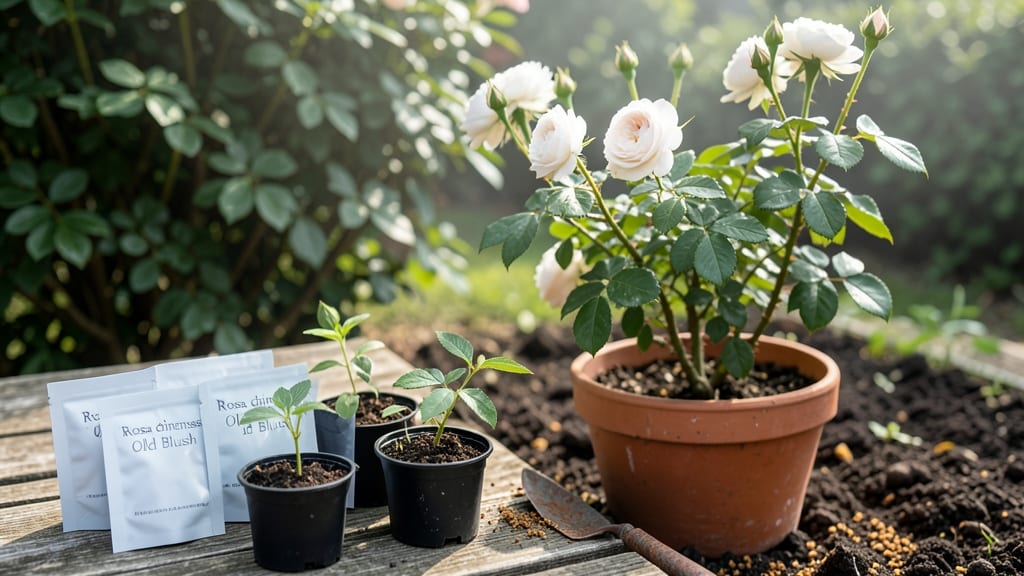
Growing white rose bushes from seeds unlocks a world of heirloom varieties you won’t find at nurseries. 🌹 I’ve started dozens from seed, and the trick isn’t just patience—it’s mimicking nature’s wind-dispersed germination process.
These seeds need cold stratification and the right soil mix to break dormancy, or they’ll just sit there waiting for spring that never comes.
The payoff? Bushes with vibrant white blooms, fragrant petals, and the tough thorns that deter pests naturally. You’ll see your first true leaves in 6-8 weeks if you follow the cold-moist stratification step, and by year two, you’ll have a bush that outlasts store-bought plants.
The key is starting indoors in late winter, then hardening off seedlings before transplanting after last frost.
📚 In This Guide
- What you need
- Instructions
- Tips and common mistakes
- Wrapping up and next steps
What you need
- ● White rose bush seeds: 10–20 seeds (check the packet for germination rates—some varieties need scarification!).
- ● Seed-starting mix: 2–3 cups of sterile, well-draining potting soil (avoid garden soil—it’s too dense for tiny seeds!).
- ● Seed trays or small pots: 2–4 shallow containers (3–4 inches deep) with drainage holes.
- ● Plastic wrap or humidity dome: To create a mini greenhouse effect and retain moisture.
- ● Spray bottle: With water (avoid over-saturating—rose seeds hate soggy conditions!).
- ● Grow lights or sunny windowsill: A warm, bright spot (60–75°F) is critical for germination.
- ● Sandpaper or knife: For seed scarification (if your seeds need it—check the packet!).
- ● Fungicide: A light dose to prevent mold (especially if humidity is high).
- ● Transplanting pots: 4–6-inch pots for seedlings before outdoor planting.
- ● Pruning shears: For future shaping (roses grow fast—and thorny! 🌹💥).
- ● Garden gloves: Trust us, the thorns will earn their keep later!
Step-by-step guide to growing white rose bushes from seeds
Here's how to unlock the secrets of wind-dispersed rose seeds and grow your own thorny, fragrant white beauties.
🌱 Step 1: Collect and Stratify Rose Seeds
White rose hips contain the seeds—collect them after they've ripened in late fall when they turn bright red. Slice open the hips to extract the seeds, then clean off any remaining fruit pulp. The key to germination lies in stratification: place the seeds in a sealed plastic bag with a damp paper towel, then refrigerate for 6-8 weeks at 35-40°F. This mimics winter's natural cold period and breaks seed dormancy.
Check the seeds weekly—they'll feel slightly softer when ready. I like to mark the bag with the date to track the stratification period accurately. If you rush this step, germination rates plummet dramatically. Real talk: Skipping stratification means you might wait years for sprouts, if any appear at all.
💧 Step 2: Prepare Containers and Sow Seeds
Fill 4-inch diameter containers with a mix of 50% sterile potting soil and 50% perlite to ensure excellent drainage—rose seedlings hate soggy roots. Moisten the mix until it's damp but not dripping. Sow seeds ¼ inch deep, spacing them 1 inch apart in each container. I tap the seed packet gently to release one seed at a time—planting too many in one hole leads to weak, crowded seedlings.
Cover the containers with clear plastic wrap to maintain high humidity, then place them in a warm spot (70-75°F) with indirect light. You'll see the first tiny green shoots emerge in 4-6 weeks, though some seeds may take up to 3 months—patience is key here. Don't water from above once seedlings emerge. You'll know moisture is right when the soil surface looks slightly damp but not glistening.
☀️ Step 3: Provide Gradual Sunlight and Prune Early
Once seedlings reach 2 inches tall, remove the plastic wrap and introduce them to bright, indirect light for 2-3 hours daily. Gradually increase sunlight exposure over 2 weeks until they receive 6+ hours of morning sun. Roses love sunlight but can scorch if introduced too quickly. You'll see leggy growth if the light is insufficient—thin stems with leaves spaced far apart signal the need for more intensity.
When seedlings develop their first true leaves (not the initial seed leaves), use clean scissors to trim the stems back by ⅓. This encourages bushier growth and stronger root systems. I pinch off any flowers that form during the first year—they'll drain energy from the young plant. Instead, focus on building a sturdy structure for future blooms.
🌿 Step 4: Transplant and Harden Off Seedlings
After 4-6 months, when seedlings have 4-5 sets of leaves and strong stems, it's time to transplant them into individual 1-gallon pots. Use a mix of 60% potting soil, 20% compost, and 20% perlite to promote healthy root development. Water deeply before transplanting to reduce shock, then place the pots in a sheltered outdoor spot for 1 week to acclimate.
Begin hardening off by moving the pots outside for 1-2 hours daily, gradually increasing exposure over 2 weeks. Watch for signs of stress like wilting or yellowing leaves—these signal the need to slow down. Once seedlings tolerate a full day outside without issues, they're ready for their permanent home in the garden. Plant in full sun with well-draining soil, spacing them 3-4 feet apart to allow for mature growth.
✂️ Step 5: Winter Care and Pruning for First Blooms
The first winter is critical—mulch heavily around the base with 2-3 inches of organic mulch to protect roots from freezing temperatures. Roses are tough, but young plants need extra insulation. In early spring, prune back any dead or weak growth by ⅓ to encourage new, vigorous shoots. You'll see fresh green growth emerge within 2-3 weeks—this is your reward for patience.
By their second or third year, your white rose bushes will finally produce blooms. Here's the thing—rose seeds take time, but the payoff is worth it. The first flowers might be smaller, but with proper care, they'll develop into robust, fragrant bushes that thrive for decades. Don't forget to deadhead spent blooms to encourage more flowers and protect the plant's energy for next season's growth.
Tips & tricks for growing white rose bushes from seeds
Here's what nobody tells you about nurturing these delicate seedlings through their finicky early stages.
Stratification Precision: The 6-8 weeks of cold treatment at 35-40°F is non-negotiable for breaking dormancy. I've found that using a refrigerator's crisper drawer—where temps hover around 38°F—gives the most consistent results. Place a small thermometer inside the bag to monitor temps, as fluctuations above 45°F can wake seeds prematurely and reduce germination rates. The damp paper towel should stay moist but not soggy; squeeze it gently weekly to check moisture levels.
Container Selection Tip: While the instructions specify 4-inch containers, I recommend using biodegradable pots made from coconut coir or peat. These can be planted directly into the garden when transplanting, eliminating root disturbance. If using plastic containers, make sure they have drainage holes—rose seedlings despise soggy roots, and poor drainage is the fastest way to kill them before they even sprout.
Light Transition Strategy: The gradual increase from 2-3 hours of indirect light to full morning sun over 2 weeks is crucial. I've seen many growers rush this process, leading to sunburned seedlings with crispy edges. Start with a sheer curtain over the containers to diffuse light, then gradually remove it over the transition period. Watch for seedlings leaning toward the light—a clear sign they need more intensity. Rotate containers daily to ensure even growth.
Pruning Insight: When trimming stems back by ⅓ at the first true leaves stage, focus on removing the topmost growth just above a set of leaves. This encourages lateral buds to sprout, creating a bushier plant. I use clean, sharp scissors to make clean cuts—never tear the stems, as this can introduce disease. The first year is all about building structure, so resist the urge to let any flowers form, no matter how tempting those delicate buds may look.
Pro Tips for White Rose Bush Seeds
- Here's what nobody tells you about nurturing these delicate seedlings through their finicky early stages.
- Stratification Precision: The 6-8 weeks of cold treatment at 35-40°F is non-negotiable for breaking dormancy.
- Container Selection Tip: While the instructions specify 4-inch containers, I recommend using biodegradable pots made from coconut coir or peat.
Frequently asked questions
Got questions about growing white rose bush seeds? You're not alone! Here are some of the most common queries—plus expert answers to help you succeed.
How long does it take for white rose bush seeds to germinate?
Germination can take anywhere from 2 to 6 weeks, depending on temperature, moisture, and seed viability. Keep the soil consistently moist (but not soggy) and maintain a warm environment (around 70–75°F). Patience is key—some seeds may take longer, especially if they’ve been stored for a while.
Do white rose bush seeds need stratification to germinate?
Yes! Many rose seeds, including white varieties, benefit from stratification (a cold treatment) to break dormancy. Place seeds in a damp paper towel or peat moss, then refrigerate for 4–6 weeks before planting. This mimics winter conditions and boosts germination rates significantly.
Can I grow white rose bushes from seeds bought online?
Online seeds are a great option, but check reviews for germination success rates. Look for reputable sellers specializing in heirloom or rose seeds. If possible, opt for seeds labeled as "hip seeds" (from rose hips) for better reliability than hybrid varieties.
Why aren’t my white rose bush seeds sprouting?
Several factors could be at play: old seeds (viability drops after 1–2 years), improper stratification, or inconsistent moisture. Test a few seeds in a controlled environment (like a seed starter kit) to rule out issues. If still no luck, try fresh seeds or ask the seller about germination tips.
Will white rose bush seeds grow into thornless varieties?
Most white rose bushes grown from seeds will have thorns, as thornlessness is often a hybrid trait. If you want a thornless variety, consider grafting or purchasing bare-root plants labeled as thorn-free. For seeds, embrace the natural beauty—and the occasional prick!
Wrapping up and next steps
Growing white rose bush seeds is a rewarding journey that blends nature’s resilience with your green-thumb passion! 🌱 From understanding their thorny defenses to mastering wind-dispersed germination, you now have the tools to nurture these elegant blooms.
Whether you’re a seasoned gardener or a curious beginner, start small—plant a few seeds in a pot or directly in well-draining soil—and watch your garden transform with delicate white roses.
Ready to take the next step? Pick your seeds, prepare your space, and let nature do the rest! Happy planting! 🌸