
Plants
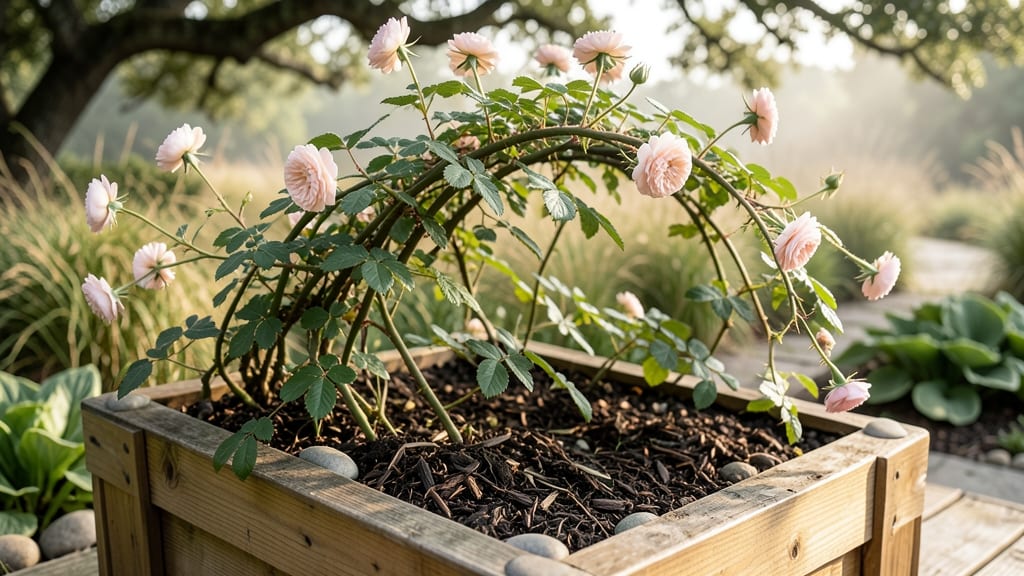
Moss rose seedlings start as tiny, plump cotyledons—those first two round leaves that look like fleshy coins. 🌱 Within weeks, they sprout true leaves: small, oval, and slightly succulent, with a waxy sheen that makes them stand out against weeds like purslane or chickweed.
The real magic? Their fast growth—you’ll see them double in size every 2-3 weeks if they’re happy.
Healthy seedlings develop a sturdy, reddish stem (not floppy or yellow) and roots that spread quickly in well-draining soil. Watch for the first delicate pink buds peeking above the foliage—this happens around 6-8 weeks after germination, signaling they’re ready to bloom.
Confusion often comes from mistaking them for weeds like prostrate spurge, but moss rose leaves are softer and more velvety to the touch.
If your seedlings look leggy or pale, they need more light—these sun-lovers stretch toward windows or grow lights. Pinch back the tips when they’re 2-3 inches tall to encourage bushier growth.
By summer, you’ll have compact, vibrant plants covered in blooms, and the whole process is shockingly quick for such showy results.
Pro tip: Compare them side by side with common weeds—moss rose seedlings have thicker stems and a slight pinkish tint at the base, while weeds usually have thinner, more jagged edges. Keep an eye out for those first buds, and you’ll never doubt what you’re growing again.
Seedling Appearance Explained
Understanding why moss rose seedlings look the way they do starts with their genetics, environmental triggers, and growth stages. These tiny plants undergo rapid development, and their appearance is a direct result of biological processes designed for survival and reproduction.
Let’s break down the key factors shaping their delicate yet distinct look.
Moss roses (Portulaca grandiflora) are bred for their compact, trailing growth habit and vibrant blooms, which are hardwired into their DNA. Here’s what influences their seedling traits:
- Miniature Leaves: Their first true leaves are small, fleshy, and oval-shaped because: - Moss roses evolved in arid climates (like deserts), where water conservation is critical.
Tiny leaves reduce surface area, minimizing moisture loss. - The succulent texture stores water efficiently, a trait passed down from ancestors adapted to drought.
- Fast Vertical Growth: Seedlings shoot upward quickly to:
- Outcompete weeds for sunlight in their native habitats.
- Develop a strong taproot early, anchoring them before spreading horizontally. This dual strategy ensures they can both reach light and stabilize in loose or sandy soil.
- Delicate Stems: The soft, hair-like stems (technically prostrate) are a trade-off:
- They’re flexible to sprawl across ground or containers, maximizing exposure to light.
- However, they lack lignin (a woody polymer), making them prone to splitting or snapping if handled roughly.
Seedlings don’t just grow—they react to their surroundings. Here’s how conditions shape their appearance:
| Factor | Effect on Seedlings | Actionable Fix |
|---|---|---|
| Low Light | Leaves turn dark green or purple, stems stretch (etiolation), and growth slows. | Move to bright, indirect light (e.g., a south-facing window or grow light 6–8" away). |
| High Heat | Leaves curl or pucker, and buds may form prematurely (even in seedlings). | Provide partial shade (e.g., 50% shade cloth) if temps exceed 85°F (29°C). |
| Humidity Fluctuations | Leaves develop crinkled edges or white powdery spots (early signs of stress). | Use a humidity tray (pebble tray with water) or mist lightly in the morning. |
| Overwatering | Leaves yellow or drop off, and stems become mushy (root rot risk). | Let soil dry 50% between waterings; use well-draining mix (60% potting soil, 30% perlite, 10% sand). |
Seedlings aren’t miniature adults—they’re in a transitional phase with unique characteristics:
- First True Leaves vs. Cotyledons: - Cotyledons (seed leaves) are round, smooth, and pale green—they’re the plant’s first food source, absorbing nutrients from the seed. - True leaves (2nd set) are smaller, fleshy, and slightly pointed—this is when the plant starts photosynthesis.
If you see only cotyledons after 3 weeks, check for low light or poor soil contact.
- Pink Buds in Tiny Plants:
- Moss roses are early bloomers due to photoperiod sensitivity (they detect daylight length).
- Buds may appear as early as 4–6 weeks if:
- Days are longer than 12 hours (common in spring/summer).
- The seedling is stressed (e.g., root-bound or overheated), triggering a survival response.
- Uneven Growth:
- Lopsided seedlings often result from:
- Bias lighting (e.g., leaning toward a window). Rotate pots quarter-turn daily.
- Uneven watering (e.g., one side drier). Use a self-watering tray for consistency.
- Lopsided seedlings often result from:
Even before you spot damage, microscopic invaders can alter a seedling’s appearance:
- Fungal Issues:
- Damping-off (gray mold at soil line) or powdery mildew (white dust on leaves) slow growth and cause wilting or stunted leaves.
- Why? Fungal spores thrive in crowded, humid conditions (e.g., overpotted seedlings).
- Fix: Space seedlings 2–3" apart, avoid overhead watering, and treat with neem oil (1 tsp per quart of water).
- Insect Pests:
- Aphids or spider mites suck sap, leading to yellowing, curled leaves, or sticky residue (honeydew).
- Why? These pests target soft, new growth—seedlings are prime targets.
- Fix: Spray with soapy water (1 tsp mild soap + 1 quart water) or introduce ladybugs (natural predators).
Not all quirks are problems! Here’s how to tell normal vs. concerning traits:
| Trait | Likely Cause | Is It Bad? | What to Do |
|---|---|---|---|
| Leaves with red edges | High light or cool nights (anthocyanin buildup). | ❌ No | Normal! No action needed. |
| Leaves falling off | Transplant shock or overwatering. | ⚠️ Maybe | Check roots; repot if soggy. |
| Stems turning woody | Overcrowding or lack of pruning. | ✅ Yes | Thin seedlings; pinch tips to encourage bushiness. |
| No new leaves for 2+ weeks | Dormancy (common in hot/dry spells) or nutrient deficiency. | ⚠️ Maybe | Fertilize lightly (½ strength) or move to shade. |
Reviving & Growing Healthy Moss Rose Seedlings
Got seedlings that aren’t quite hitting the mark? Whether your moss rose (Portulaca grandiflora) seedlings are leggy, pale, or struggling to sprout, these targeted fixes will help you nurture them into vibrant, blooming plants.
Below, we’ll match common issues to practical solutions—plus prevention tips to keep your seedlings thriving from day one.
Cause: Poor soil moisture, incorrect temperature, or old seeds. Solution:
- Moisten the soil gently 💧—Use a spray bottle to dampen the surface (not soak it). Moss rose seeds need consistent moisture but hate soggy conditions.
- Warmth is key 🌡️—Place the tray in a spot with 70–75°F (21–24°C). A seedling heat mat (set to low) can speed up germination in 7–14 days.
- Light exposure ☀️—Once sprouted, move seedlings to bright, indirect light (south-facing window or grow lights). Direct sun can scorch tiny leaves.
Prevention Tip: ✨ Store seeds in a cool, dry place (like a sealed container in the fridge) to extend viability. Test a few seeds in a separate pot to check germination rates before planting your main batch.
Cause: Insufficient light or overcrowding. Solution:
- Adjust light sources 💡—If seedlings are leaning, they’re starved for light. Switch to grow lights (12–16 hours/day) 2–3 inches above the tray. LED or fluorescent bulbs work best.
- Thin the seedlings 🌱—Overcrowding competes for nutrients. Snip or transplant weaker seedlings, leaving 1–2 inches between plants.
- Fertilize lightly 🍃—Once true leaves appear, use a diluted balanced fertilizer (half-strength, every 2 weeks). Avoid overfeeding—salty soil stunts growth.
Prevention Tip: 🔥 Start with a shallow tray (2–3 inches deep) and use a sterile, well-draining mix (50% potting soil + 50% perlite/sand). This prevents root rot and encourages sturdy growth.
Cause: Overwatering, nutrient deficiency, or disease. Solution:
- Check the soil 🕵️—Stick your finger in the mix. If the top inch is damp, hold off on watering. Moss roses prefer dry soil between waterings.
- Improve drainage 🚿—If leaves yellow and droop, your seedlings may have root rot. Repot in fresh, fast-draining soil (add perlite or coarse sand).
- Boost nutrients 💪—Yellowing can signal nitrogen deficiency. Switch to a low-nitrogen, high-phosphorus fertilizer (like 5-10-5) to encourage blooms.
Prevention Tip: 💡 Water at the base (not overhead) to prevent fungal issues. Use a spray bottle for seedlings to avoid disturbing delicate stems.
Cause: Inadequate sunlight, poor soil, or lack of pruning. Solution: - Move to full sun ☀️—Moss roses thrive in 6+ hours of direct sunlight. Gradually acclimate seedlings to avoid shock. - Prune for bushiness ✂️—Pinch back leggy stems just above a leaf node to encourage branching.
This boosts flower production. - Use bloom-boosting fertilizer 🌼—Switch to a phosphorus-rich formula (like 10-20-10) when seedlings are 3–4 inches tall.
Prevention Tip: ✨ Deadhead spent blooms regularly to redirect energy into new growth. This keeps your moss roses flowering all season!
Cause: High humidity, poor airflow, or weak seedlings. Solution: - Isolate infested plants 🛑—Move affected seedlings away from healthy ones to prevent spread. - Spray with neem oil 🌿—Mix 1 tsp neem oil + 1 tsp mild soap + 1 quart water.
Spray leaves (avoid oversaturating soil). - Improve airflow 💨—Space seedlings wider apart and use a small fan on low setting to deter pests.
Prevention Tip: 🔥 Inspect new seedlings before bringing them indoors. Quarantine for 1–2 weeks to catch hitchhiking pests early.
- Hardening off 🌡️—Before transplanting outdoors, expose seedlings to gradual outdoor conditions (start with 1 hour/day, increasing over 1 week). - Succulent soil mix 🏺—Moss roses love gritty, fast-draining soil.
Mix in cactus/succulent soil + perlite for ideal conditions. - Container care 🏡—If growing in pots, ensure drainage holes and use terracotta (which dries faster than plastic).
Final Thought: With the right care, your moss rose seedlings will transform from fragile sprouts into bursting blooms in no time. Start with the fixes above, and soon you’ll be admiring their delicate pink and yellow flowers—nature’s tiny masterpieces! 🌸✨
Frequently asked questions
How can I tell if my moss rose seedlings are healthy?
Healthy moss rose seedlings have plump, fleshy leaves with a slight waxy sheen, and their stems should be sturdy and reddish (not floppy or yellow). The first true leaves appear oval-shaped and small, and you’ll spot delicate pink buds around 6-8 weeks if they’re thriving. Always check the soil—it should feel dry between waterings.
Why do my moss rose seedlings look like weeds?
Moss rose seedlings can resemble weeds like purslane or prostrate spurge, but there are key differences. Moss rose leaves are softer and slightly velvety, with a pinkish tint at the base, while weeds often have thinner, jagged edges. Also, moss rose stems are thicker and more upright when young.
What should I do if my seedlings have only cotyledons after 3 weeks?
If your seedlings still only have cotyledons (the first two round leaves) after 3 weeks, they likely need more light or proper soil contact. Move them to a bright, indirect light spot (like a south-facing window) and gently press the soil around the stems to ensure good root contact.
Can I grow moss rose seedlings indoors?
Yes, but they need bright light—at least 6 hours of direct sunlight daily or a grow light placed 2-3 inches above the seedlings. Use a well-draining soil mix (like cactus/succulent soil with perlite) and keep the temperature between 70-75°F (21-24°C) for best results.
How do I prevent my moss rose seedlings from getting leggy?
Leggy seedlings happen when they stretch toward light. To fix it, move them closer to a light source or use a grow light for 12-16 hours daily. Rotate the seedlings quarter-turn daily to ensure even growth, and pinch back the tips when they’re 2-3 inches tall to encourage bushiness.