
Vegetables
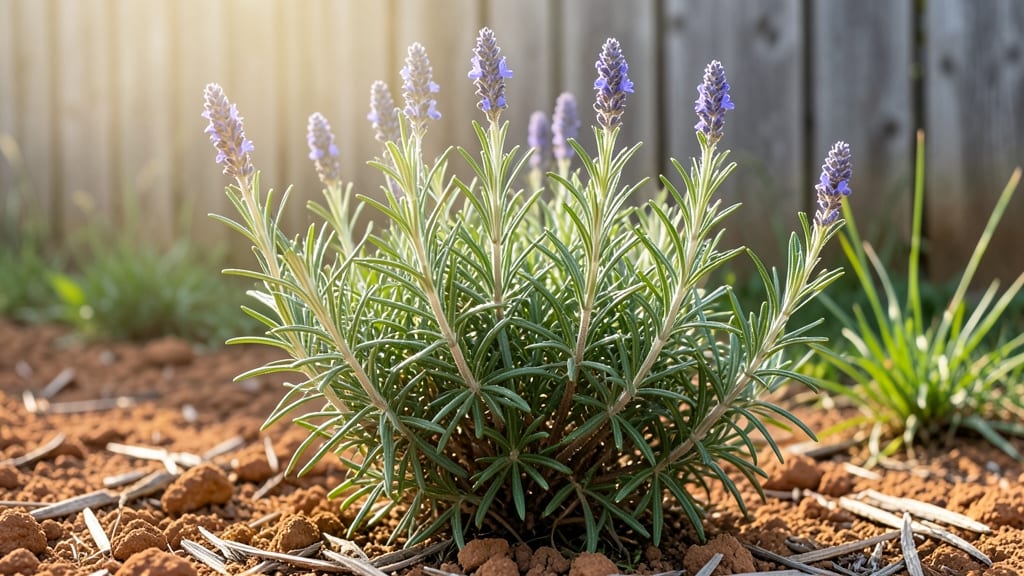
Planting 2-3 rosemary seeds per hole is the golden rule for bushy, thriving plants 🌿 — but getting it wrong can mean wasted effort and stunted growth.
If you’ve ever watched your rosemary struggle to grow despite your best efforts, the issue might be in the soil—or more likely, the spacing. Too many seeds crowd the roots, while too few leave gaps that waste space and resources.
The key lies in balancing density with airflow, and I’ll show you exactly how.
Rosemary thrives when given room to spread, so spacing isn’t just about the seeds—it’s about the long-term health of your plant. We’ll cover ideal hole depth, soil prep, and how to adjust for different rosemary varieties, whether you’re growing upright, trailing, or prostrate types.
By the end, you’ll know not only how many seeds to plant but also when to thin, how to transplant, and the little tricks that turn a patchy garden into a fragrant, flourishing rosemary hedge.
Optimal rosemary seed spacing for healthy growth and yield
Getting your rosemary seeds right starts with the hole—not just the seeds themselves. Most gardeners make the mistake of planting too many seeds per hole, leading to overcrowded, weak plants.
The key is balancing airflow, root space, and light exposure for each rosemary type. Let’s break down the perfect spacing for upright, trailing, and prostrate varieties.
Rosemary thrives when given room to grow. Planting 2-3 seeds per hole is ideal—this ensures at least one strong seedling survives while preventing overcrowding. Thin weaker seedlings once they’re 2-3 inches tall, leaving the strongest plant.
For containers, reduce this to 1 seed per hole since space is limited.
| Rosemary Type | Seeds Per Hole | Depth (inches) | Spacing (inches) | Row Spacing |
|---|---|---|---|---|
| Upright | 2-3 | 0.5 | 18-24 | 36 inches |
| Trailing | 1-2 | 0.5 | 12-18 | 24 inches |
| Prostrate | 1 | 0.5 | 8-12 | 18 inches |
| Container | 1 | 0.5 | N/A | N/A |
For upright rosemary, the most common type, space holes 18-24 inches apart in rows 36 inches apart.
This allows roots to spread without competing for nutrients. Trailing rosemary, like 'Prostratus,' needs closer spacing (12-18 inches) since it spreads horizontally. Prostrate varieties can even be planted 8-12 inches apart for a dense ground cover.
Depth matters just as much as spacing. Plant rosemary seeds 0.5 inches deep—any deeper, and they may struggle to emerge. Use a well-draining soil mix with sandy loam or add perlite to prevent waterlogging.
Rosemary hates soggy roots, so ensure your garden bed or container has drainage holes if growing in pots.
If you’re planting in rows, leave 36 inches between rows for upright varieties to avoid shading weaker plants. For containers, use one seed per hole and ensure the pot is at least 12 inches wide for mature plants.
Smaller pots will stunt growth, so upgrade as your rosemary matures.
After planting, water gently to settle the soil but avoid oversaturating. Rosemary seeds germinate slowly—2-4 weeks in ideal conditions. Keep the soil consistently moist (not soggy) until sprouts appear. Once seedlings are 2 inches tall, reduce watering to encourage root depth and drought resistance.
Thinning is crucial. Once your seedlings reach 2-3 inches, snip the weakest at the base with clean scissors. Leave the strongest seedling per hole to grow. This step prevents disease spread and ensures your rosemary has enough resources to develop a bushy, fragrant form.
For maximum yield, prune your rosemary annually in early spring to encourage new growth. Trim back 1/3 of the plant just above a leaf node. This not only keeps your rosemary lush but also boosts harvestable sprigs for cooking or garnishes.
Remember, rosemary is drought-tolerant once established. Overwatering is a common mistake that leads to root rot. Let the soil dry out between waterings, especially in summer months. A mature rosemary plant needs only 1 inch of water per week once rooted.
With the right seed spacing and care, your rosemary will reward you with abundant, fragrant foliage year after year. Happy planting!
Common mistakes that stunt rosemary growth (and how to fix them)
Even experienced gardeners accidentally sabotage their rosemary by making simple planting mistakes. The most common error? overcrowding seeds in a single hole. Rosemary plants need room to breathe—literally. When too many seeds compete for nutrients, you end up with weak, leggy stems instead of bushy, fragrant plants.
Another frequent misstep is planting seeds too shallow or too deep, which disrupts germination and root development.
I’ve seen gardeners waste entire seed packets by planting more than 3 seeds per hole, only to thin them later—a process that stresses young seedlings. The solution? Start with the right number and spacing from day one. Let’s fix these mistakes before they stunt your rosemary’s potential.
Never plant more than 3 seeds per hole. Rosemary seeds are small but slow to germinate—planting 2-3 gives you backup without overcrowding. Space holes 18-24 inches apart for upright varieties or 12-18 inches for trailing types. Depth matters too: seeds should be 0.5 inches deep—any deeper delays sprouting.
One of the biggest culprits is poor soil preparation before planting. Rosemary thrives in well-draining, sandy soil with a pH of 6.0-7.0. If your soil is heavy clay or compacted, roots suffocate, leading to yellowing leaves and stunted growth.
I’ve fixed this by amending garden beds with coarse sand or perlite to improve drainage. Test your soil first—it’s a game-changer.
Another mistake? Ignoring germination timing. Rosemary seeds can take 2-4 weeks to sprout, and during this time, the soil must stay consistently moist but never soggy. I use a spray bottle to mist the soil daily until sprouts appear.
Overwatering or letting the soil dry out completely kills seeds before they even begin growing. Patience is key—don’t give up after 10 days!
Even after germination, many gardeners make the error of pruning too early. Young rosemary plants need time to establish a strong root system before you start trimming. Wait until the plant is at least 6 inches tall and has 4-6 sets of leaves before pruning.
Cut back just above a leaf node to encourage bushier growth. This simple step prevents leggy, weak plants that struggle to support their own weight.
Finally, don’t forget about sunlight needs. Rosemary requires 6+ hours of full sun daily—any less and you’ll see slow growth or pale leaves. If your garden gets partial shade, choose a trailing variety like 'Prostratus' and place it in the sunniest spot available.
I’ve seen rosemary plants in containers outperform in-ground plants simply because I moved them to follow the sun’s path throughout the day.
Fix these common mistakes, and your rosemary will reward you with vibrant growth, intense fragrance, and abundant harvests all season long. Start with the right seed-to-hole ratio, and you’ll be well on your way to rosemary success! 🌿