
Blooming
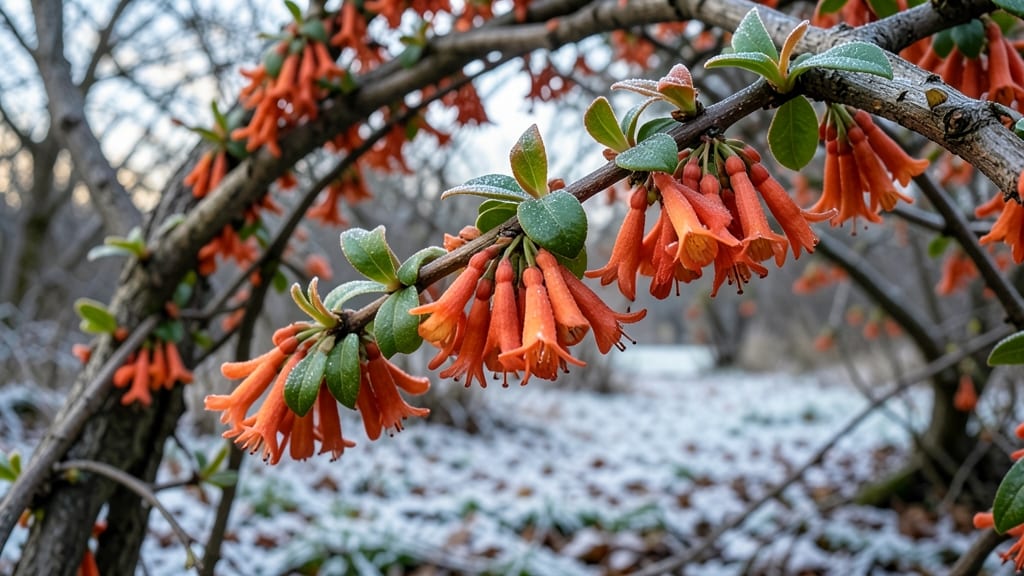
Winter gardens don’t have to be dull—these 10 cold-hardy plants thrive in frost, offering vibrant blooms and lush foliage when most landscapes sleep. Perfect for gardeners seeking year-round color, these resilient species bring life to patios, borders, and containers.
Hellebore: Evergreen Winter Jewel
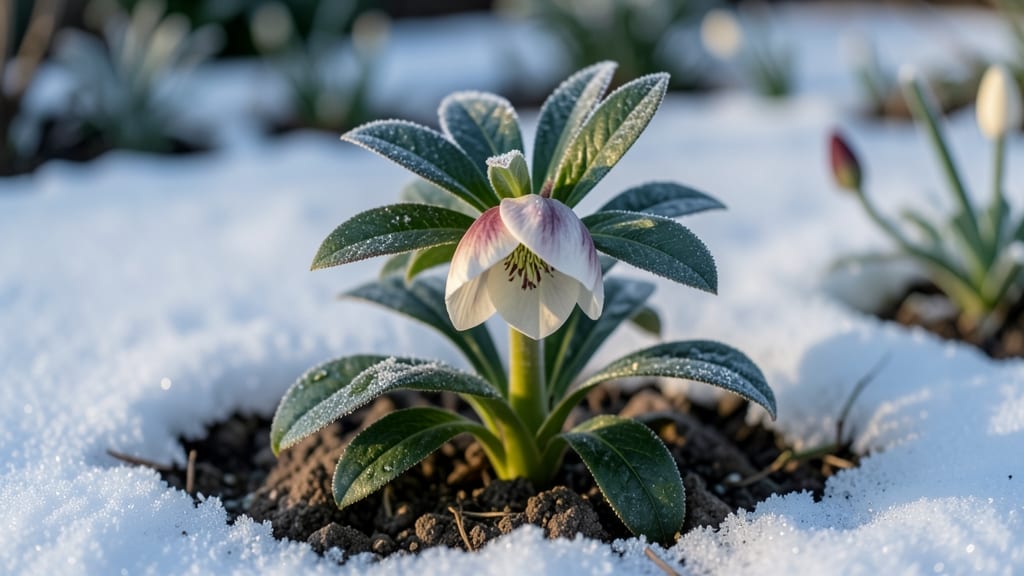
When most gardens are buried under snow, hellebores—dubbed the "Lenten Rose"—emerge as nature’s secret weapon, blooming cheerfully from late winter into early spring. This shade-tolerant perennial thrives in frost, making it a standout for gardeners craving color when the world feels gray.
Hellebores flourish in partial to full shade and prefer well-draining soil, though they’re forgiving of less-than-ideal conditions. Their delicate, nodding flowers come in shades of white, pink, purple, and green, and they’re a magnet for early-season pollinators like bees and butterflies, even in freezing temps. Deadhead spent blooms to encourage more flowers, and mulch lightly in winter to protect roots.
Perfect for woodland gardens, shady borders, or even containers, hellebores offer year-round interest with their evergreen foliage and early blooms. They’re especially rewarding for gardeners in USDA Zones 4-9, where they’ll reward patience with months of beauty. 🌷
Winter Jasmine: Fragrant Golden Cascades
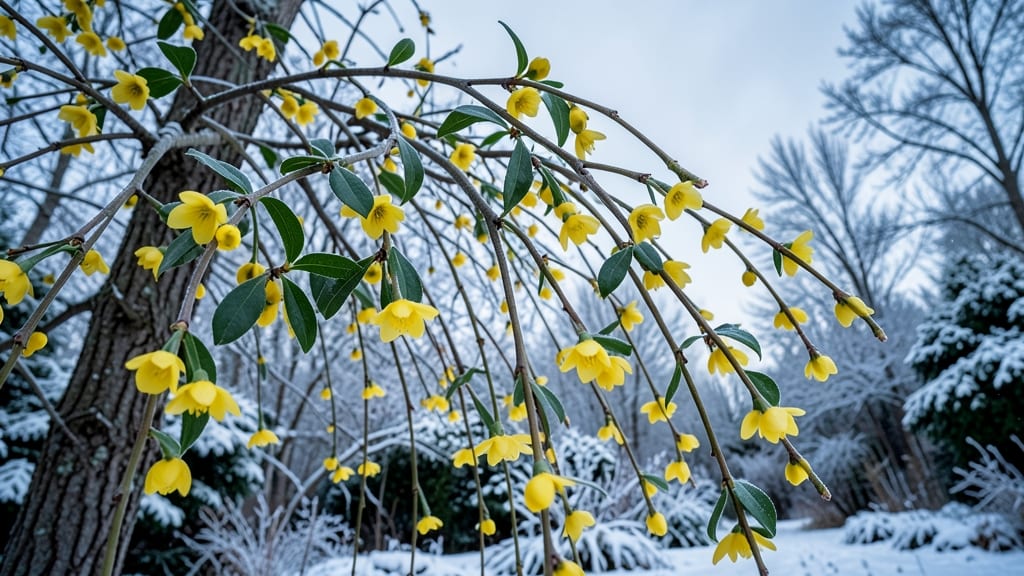
When winter’s gray skies need a burst of sunshine, winter jasmine delivers with its fast-growing vines and bright yellow blooms that appear even when snow blankets the ground. This hardy climber thrives in USDA zones 6-9, making it a reliable choice for cold climates where other plants retreat.
The citrusy fragrance of its star-shaped flowers fills the air from late winter to early spring, creating a sensory experience that lifts spirits. Plant it on trellises, fences, or walls where its cascading growth can shine—it’s equally at home in urban gardens or countryside landscapes. Prune after flowering to encourage bushier growth, and enjoy its drought-tolerant nature once established.
Perfect for gardeners who want low-maintenance winter color, winter jasmine is especially rewarding for those with limited space or vertical gardening setups. Its cheerful blooms and intoxicating scent make it a standout for brightening those bleakest winter days. 🌟
Snowdrops: Harbingers of Spring
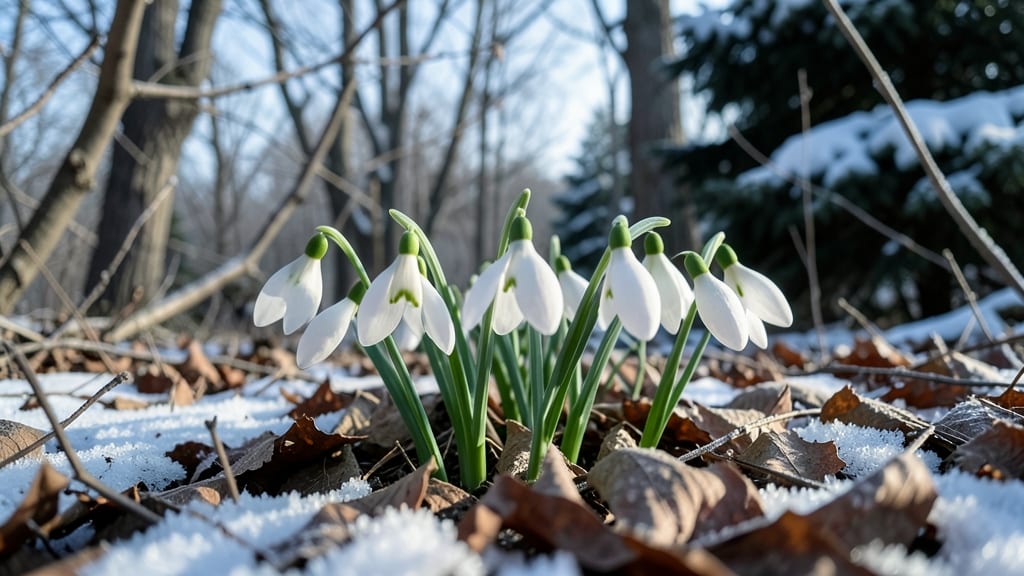
When winter feels endless, snowdrops arrive like tiny messengers of spring, their delicate white blooms peeking through snow or leaf litter as early as February. These hardy perennials thrive in woodland gardens or under deciduous trees, where their natural habitat mimics the dappled shade they love.
Plant them in clusters for a dramatic effect, as they multiply readily over time. Snowdrops prefer moist, well-draining soil and tolerate temperatures down to -20°F, making them ideal for northern climates. Their early blooms also provide vital nectar for bees emerging from winter dormancy.
Perfect for naturalizing under trees or brightening shady corners, snowdrops offer year-round interest with their evergreen foliage. Even experienced gardeners adore them for their resilience and timeless beauty. 🌱
Camellia: Luxurious Winter Blooms
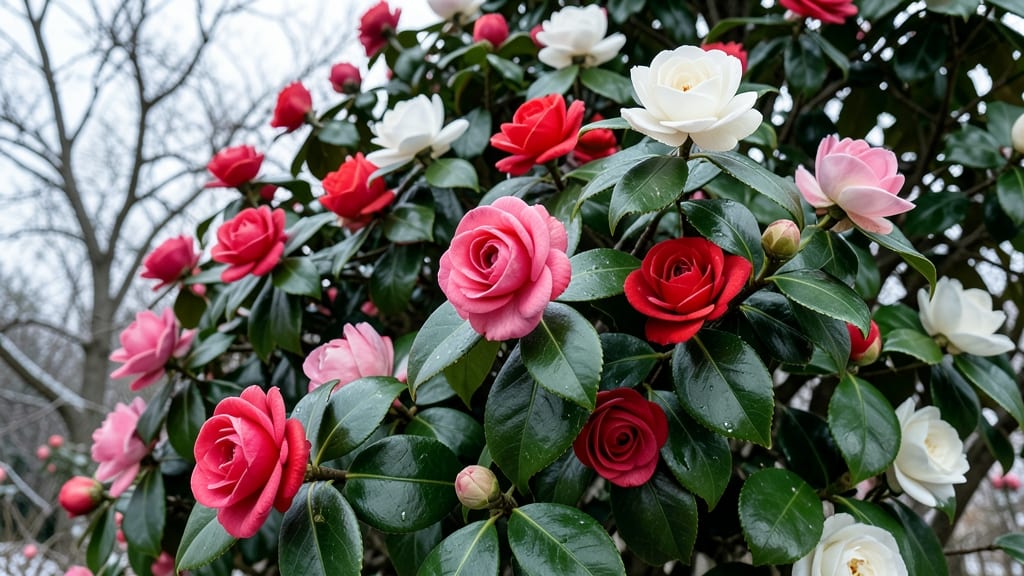
If you crave year-round elegance with minimal effort, camellias are your winter superstars. These glossy-leaved evergreens produce large, waxy blooms in pink, red, or white—often when other plants are dormant—making them a standout for mild-winter climates (USDA Zones 7-10).
Their versatile forms work beautifully in containers, hedges, or as focal points, while their thick, leathery leaves resist wind and rain. Prune right after blooming to shape them, and feed with acidic fertilizer in early spring for the best flower production. Varieties like 'Winter’s Star' bloom from late fall through winter, while 'Yuletide' offers deep red flowers.
Perfect for gardeners in coastal or southern regions, camellias add luxury and structure to gardens with their evergreen foliage and dramatic flowers. 🌻
Pansy: Hardy Cold-Weather Annuals
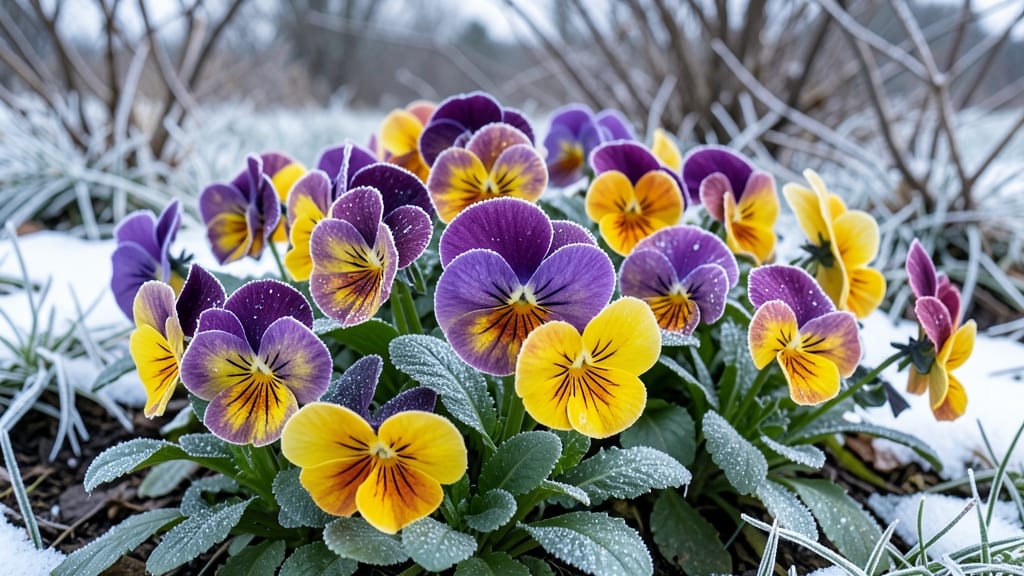
When you crave color in your garden during the coldest months, pansies are the unsung heroes—these cheerful annuals bloom beautifully even when temperatures drop to 20°F. Their ruffled petals in shades of purple, yellow, and orange add a pop of brightness to winter landscapes, making them perfect for edging beds or containers.
Pansies thrive in full sun to partial shade and prefer well-draining soil, though they’re forgiving enough to handle a range of conditions. For best results, plant them in fall or early spring to ensure vibrant blooms throughout winter. They’re also deer-resistant, making them a low-maintenance choice for gardeners dealing with wildlife.
These frost-resistant beauties are ideal for beginners and urban gardeners with limited space—just add them to window boxes or hanging baskets for instant winter charm. 🌻
Winter Aconite: Golden Sunburst
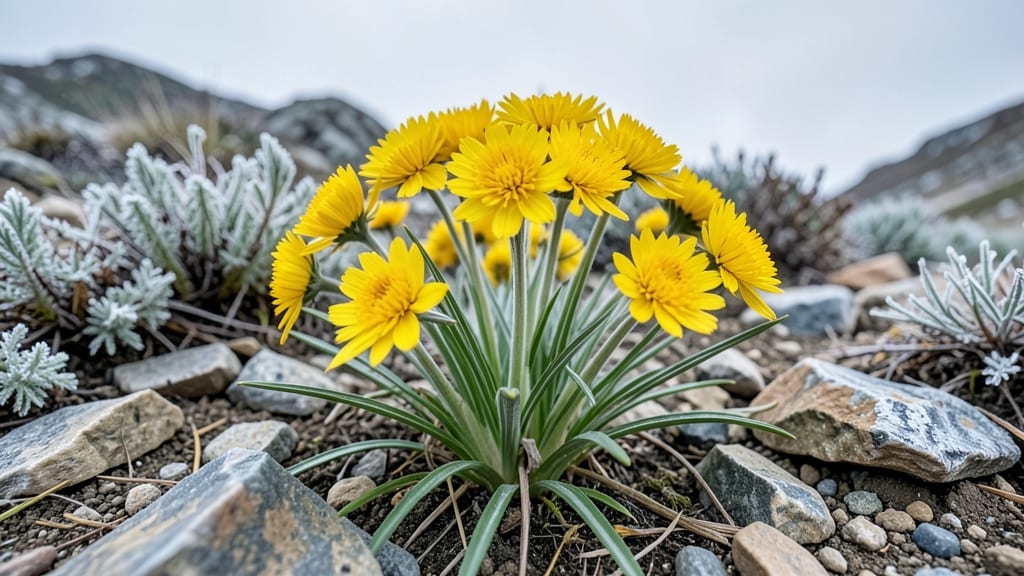
When winter’s gray skies feel endless, winter aconite bursts forth like a golden sunburst, its bright yellow blooms defying the frost. This early spring harbinger thrives in rocky gardens or alpine beds, where its cheerful color creates a striking contrast against winter’s muted tones.
Plant winter aconite in well-draining soil with full sun to partial shade, mimicking its natural woodland habitat. Its low-growing, basal leaves provide year-round interest, while the toxic but stunning flowers emerge as early as February, often peeking through snow. Perfect for gardeners with limited space, it multiplies easily and spreads gently over time.
Ideal for urban gardeners or those with rocky terrain, winter aconite demands little maintenance but delivers maximum visual impact. Its early blooms signal spring’s arrival better than any other plant. ✨
Mahonia: Spiky Winter Beauty
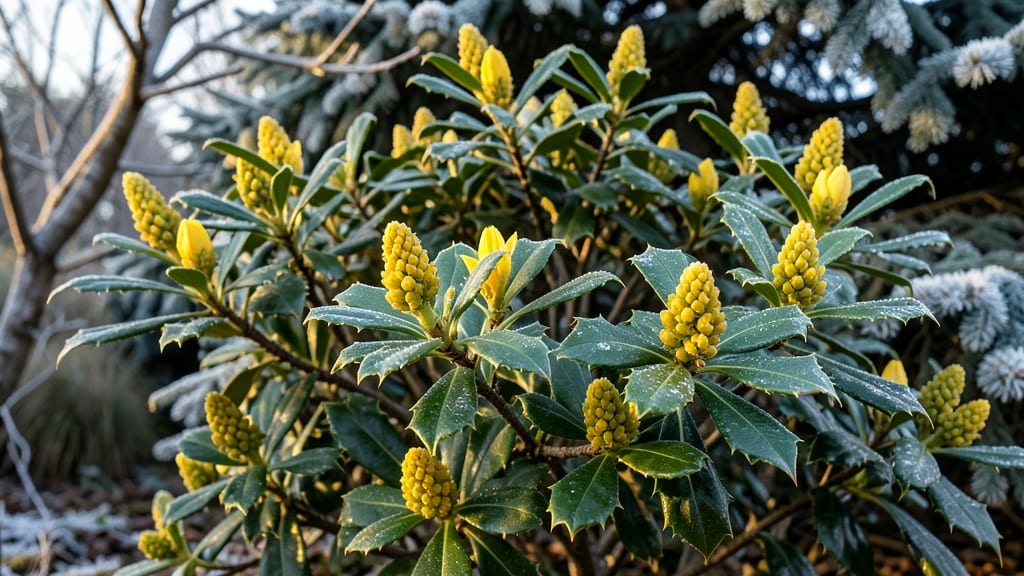
If you crave year-round structure and a pop of color when other plants are dormant, mahonia is your underrated winter star. This evergreen shrub combines holly-like leaves with clusters of bright yellow flowers that burst open in late winter, often before spring bulbs even wake up.
Thriving in partial shade, mahonia tolerates everything from rocky slopes to woodland edges, making it ideal for urban gardens or shaded borders. Its bee-friendly blooms appear in late winter, providing early-season nectar when few other plants are in flower. Prune lightly after blooming to maintain shape, and enjoy its blue-black berries later in the season that birds adore.
Perfect for gardeners who love low-maintenance plants with architectural flair, mahonia adds texture and winter interest without demanding full sun or constant care. 🌟
Crocus: First Signs of Spring
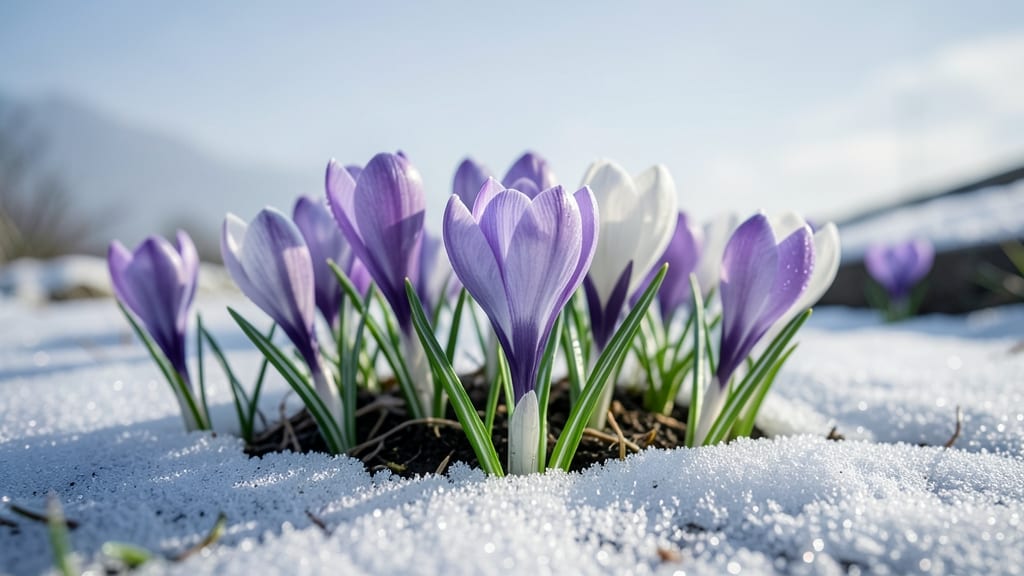
When winter’s chill still lingers, crocuses defy the odds by bursting through snow with their delicate purple, white, or striped blooms—often the first flowers to announce spring’s arrival. These tiny powerhouses thrive in full sun to partial shade and naturalize effortlessly in lawns, creating a carpet of color that’s hard to resist.
Plant bulbs in fall for blooms as early as February or March, and choose varieties like Crocus vernus (purple) or Crocus tommasinianus (blue) for long-lasting displays. For indoor forcing, dig up bulbs in fall, pot them, and place in a cold, dark spot until stems emerge—then move to light for a week-long burst of winter cheer.
Perfect for beginners or urban gardeners with limited space, crocuses require minimal care and multiply over time. Their early blooms also provide vital nectar for emerging pollinators when food is scarce. 🌱
Daffodil: Classic Frost-Proof Bulbs
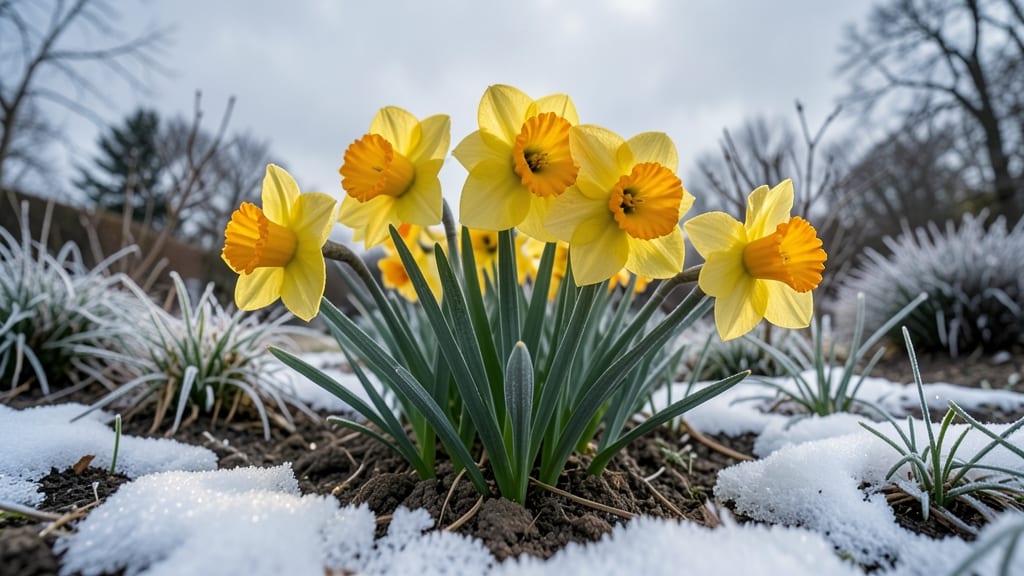
When winter’s gray skies feel endless, daffodils burst through the cold with their bold, sunny blooms—proof that spring is on the way. These frost-proof bulbs are the unsung heroes of winter gardens, emerging reliably even when snow still lingers on the ground.
Plant them in full sun to partial shade for the best results, and choose well-draining soil to prevent rot. Unlike many winter bloomers, daffodils thrive in USDA zones 3-9, making them versatile for nearly any climate. Their bright colors also make them perfect for containers on patios or borders near walkways, where they’ll brighten up dreary days.
Perfect for beginners or busy gardeners, daffodils require minimal care once planted and multiply over time. Their cheerful presence is a mood booster for anyone craving color during the colder months. 🌻
Winter Honeysuckle: Fragrant Twisting Vines

If you crave fragrance and color in your garden when most plants are dormant, winter honeysuckle (Lonicera fragrantissima) delivers a sensory punch with its tubular orange-red blooms that appear in late winter—often before spring arrives. Unlike its summer-blooming cousins, this vine thrives in cold climates and fills the air with a sweet, honey-like scent that hummingbirds adore.
This twisting, semi-evergreen vine grows 10–15 feet tall and thrives in full sun to partial shade, making it versatile for trellises, arbors, or fences. Plant it in well-draining soil and prune lightly after blooming to encourage dense growth. Its late-winter flowers (February–March) provide nectar for early pollinators, while its glossy leaves add year-round interest. Perfect for urban gardens or small yards, it’s low-maintenance yet high-impact. 🌻