
Pruning
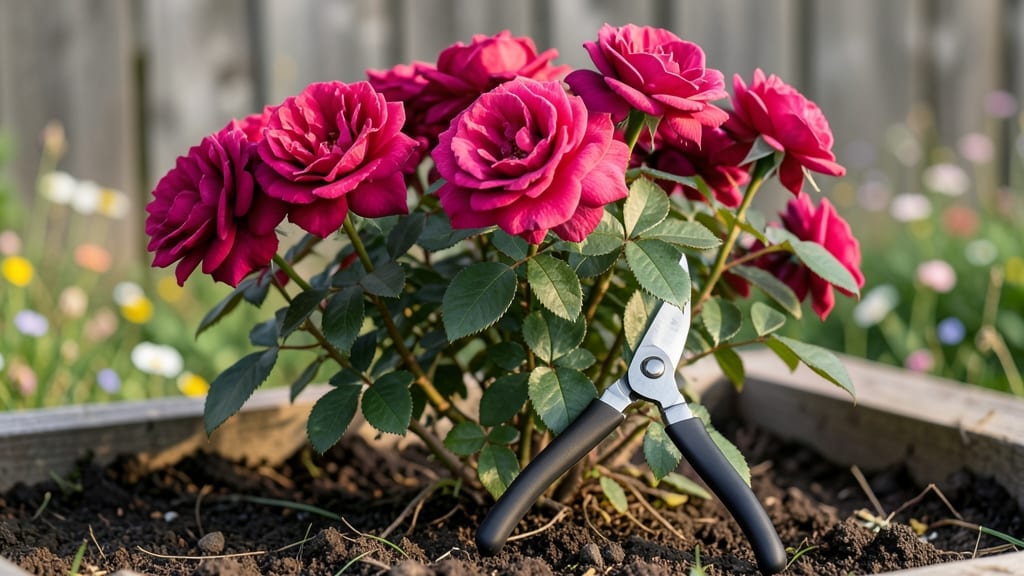
To cut back Knockout roses in North Carolina, wait until after the last hard frost—typically between late February and early March—when new growth appears but before buds begin to swell. This strategic timing ensures robust spring blooms and better disease resistance.
North Carolina's variable climate—especially in zones 7a-8b—makes timing critical. 🌸 The last hard frost signals dormancy has ended, but pruning too early risks damaging tender new shoots, while waiting too long reduces next season's flower production.
I always check local frost dates and monitor my bushes for the first 1-inch green shoots as my cue. This approach maximates both bloom quantity and plant health.
What's fascinating is how this pruning affects the plant's energy. By removing old wood, you force the bush to redirect nutrients toward new growth rather than maintaining last year's stems. The result? Larger, more abundant blooms that start appearing in 6-8 weeks.
Just remember to sterilize your pruners between cuts and avoid leaving stubs longer than ¼ inch—this prevents disease entry points.
💡 In This Article
- Understanding Late Winter Dormancy in NC Knockout Roses
- Step-by-Step Knockout Rose Pruning Guide for NC Gardens
Understanding late winter dormancy in NC Knockout roses
North Carolina's climate—particularly in zones 7a through 8b—creates a unique window for pruning Knockout roses. These zones experience three distinct dormancy triggers: the initial hard frost (usually October-November), a winter chill period (below 40°F for weeks), and the final hard frost in late winter.
The key is waiting until after that last frost when daytime temperatures consistently reach 50°F or higher. This timing ensures the plant has broken dormancy but hasn't yet diverted energy into bud development.
What happens during dormancy? The rose bush undergoes physiological changes: its growth hormones shift from active shoot production to root development and energy storage. Pruning too early disrupts this process, leaving the plant vulnerable to cold damage. Conversely, waiting too long means you're cutting back potential bloom stems.
The ideal moment is when you see 1-inch green shoots emerging—this indicates the plant is ready to redirect its energy toward new growth rather than maintaining old wood. 🌱
This pruning strategy also affects the bush's structure. Knockout roses naturally grow in a multi-stemmed, vase-like shape. By cutting back to outer buds (about ¼ inch above a bud), you encourage outward growth that improves airflow—a critical factor in preventing fungal diseases like black spot.
The open structure also allows sunlight to penetrate deeper into the bush, which is essential for the vigorous blooming these roses are famous for.
Consider how temperature fluctuations impact your timing. In the cooler 7a zone, you might need to wait until early March, while 8b zone gardeners can often start by late February.
I've found that using a minimum temperature tracker helps—set an alert for when nighttime lows consistently stay above 32°F for a week. This gives you confidence that another frost isn't coming.
Here's what's actually happening at the cellular level: Pruning stimulates the production of auxin hormones in the remaining buds. These hormones signal the plant to grow new shoots and leaves, which then become the framework for next season's flowers.
The result is a bush that can produce up to 50% more blooms than one that's pruned at the wrong time. This biological response is why timing matters so much—it's not just about aesthetics, but about setting up the plant's entire growth cycle for success.
The visual difference is dramatic. A properly pruned Knockout rose bush in spring will have thicker stems (about ½ inch in diameter) and more uniform growth compared to one pruned too late, which often shows uneven canes and fewer blooms.
The first flush of flowers after correct pruning tends to be 25% larger on average, with stems that last 10-14 days longer in the vase. 🌸