
Container Gardens
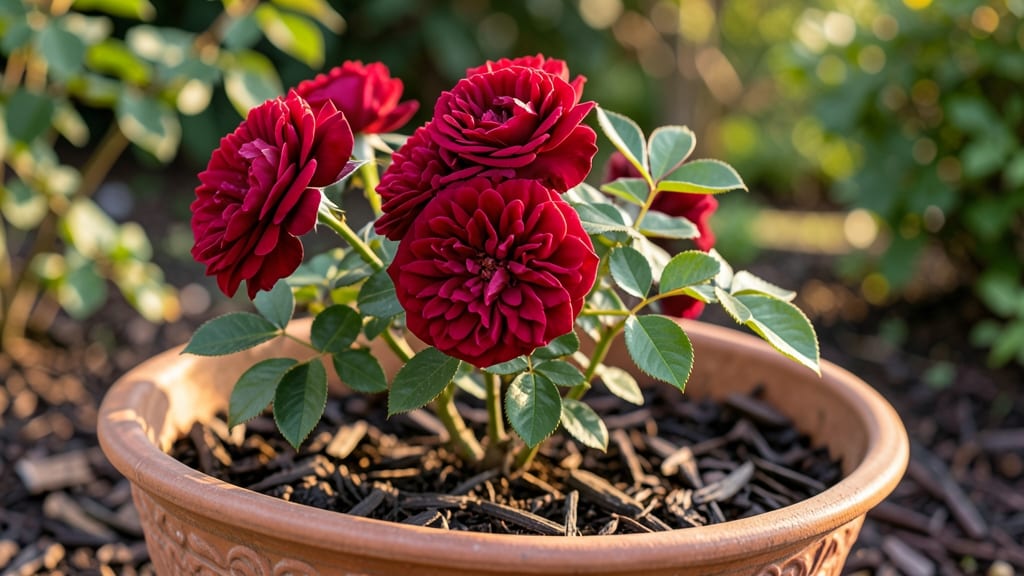
Growing Double Knockout roses in containers changed how I see small-space gardening—these roses thrive where others fail, blooming nonstop with minimal fuss. 🌹 Their disease resistance and compact growth make them perfect for patios, balconies, or even sunny windowsills, proving you don’t need a yard for showstopping flowers.
The secret lies in the right container, soil, and a little pruning know-how to keep them lush all season.
Start with a 5-gallon or larger container (bigger is better for heat retention and root growth), and always prioritize drainage—no soggy roots here. A well-draining potting mix blended with compost gives them the nutrients they crave, while mulch keeps moisture consistent.
These roses love 6+ hours of sunlight daily, but they’ll tolerate partial shade if you’re in a hotter climate, though blooms may be slightly fewer.
What you’ll end up with is a fragrant, blooming powerhouse that outshines most garden roses—no deadheading required, just cut back spent stems to encourage more flowers. Pair them with trailing thyme or lavender for a low-maintenance, aromatic container garden that neighbors will envy.
The best part? You’ll never need to worry about black spot or mildew ruining your hard work.
This setup works for urban balconies, courtyard planters, or even large pots on a porch, adapting to any space. Whether you’re a first-time container gardener or a seasoned pro, Double Knockouts deliver foolproof beauty with minimal effort. Ready to transform your outdoor space into a fragrant oasis?
📚 In This Guide
- What you need
- Instructions
- Tips and common mistakes
- Wrapping up and next steps
What you need
- ● Container: At least 5-gallon capacity (15+ gallons for mature plants). Choose pots with drainage holes and a stable base (e.g., plastic, ceramic, or fiberglass).
- ● Double Knockout rose plant: 1-2 bare-root or potted plants (check for healthy canes and no signs of disease).
- ● Potting mix: Well-draining blend like 50% garden soil + 50% perlite/compost (or a pre-mixed rose-specific formula). 10-15 lbs per container.
- ● Slow-release fertilizer: Balanced (10-10-10 or 20-20-20) granules or spikes. Follow label rates (typically 1-2 lbs per 5-gallon pot).
- ● Organic mulch: 2-3 inches of shredded bark, pine straw, or coconut coir to retain moisture and suppress weeds.
- ● Pruning tools: Bypass pruners (for clean cuts)
- ● Loppers (for thicker stems)
- ● Disinfectant (rubbing alcohol or bleach solution)
- ● Support system: 1-2 stakes or a cage (6-8 ft tall) to secure the rose as it grows.
- ● Watering can or hose with nozzle: Even, deep watering is key—aim for 1-2 gallons per watering (adjust for climate).
- ● Epsom salt: 1 tbsp per gallon of water monthly for magnesium boost (prevents yellowing leaves).
- ● Rose food: Liquid fertilizer (e.g., fish emulsion or seaweed extract) for extra nutrients.
- ● Container saucers: To catch runoff and protect surfaces (especially for balconies/patios).
- ● Reflective mulch: Light-colored stones or gravel to deter pests and reduce soil temperature.
- ● Automatic watering system: Drip irrigation or self-watering pot for low-maintenance care.
Step-by-Step guide to growing Double Knockout roses in containers
Here's how to cultivate these vibrant, low-maintenance roses in pots for stunning, year-round blooms.
🪴 Step 1: Select the Right Container and Drainage System
Choose a container at least 18 inches deep and 12 inches wide—Double Knockout roses need room for their vigorous roots. I recommend glazed ceramic or high-quality plastic pots with multiple drainage holes (at least four) to prevent root rot. If your pot lacks drainage, drill holes yourself—waterlogged roots will kill your plant faster than any disease.
Place a 2-inch layer of gravel or broken pottery at the bottom before adding soil. This creates an air pocket that prevents soggy roots while allowing excess water to escape. The container must also have feet or a saucer to catch drainage—never let roots sit in standing water, even for a day.
🌱 Step 2: Prepare the Soil Mix for Optimal Growth
Fill your container with a custom soil blend of 60% high-quality potting mix, 30% compost, and 10% perlite or pumice. This combination ensures aeration, moisture retention, and nutrient availability—Double Knockouts thrive when their roots aren’t suffocating. I avoid garden soil because it compacts in containers, strangles roots, and invites fungal diseases.
Mix the ingredients thoroughly in a wheelbarrow or large bucket. The final texture should resemble crumbled cake—light enough to cradle roots but stable enough to hold moisture. Fill the pot to 2 inches below the rim, leaving room for watering. Tap the container gently on a hard surface to eliminate air pockets and settle the soil evenly.
☀️ Step 3: Plant Bare-Root Roses at the Correct Depth
Remove your Double Knockout roses from their packaging and soak the roots in lukewarm water for 15-20 minutes to revive them. While they soak, create a small mound of soil in the center of your container. The bud union (the swollen area near the base where the graft was made) should sit 1 inch below the soil line—this prevents it from drying out or being buried too deep.
Spread the roots gently over the mound, ensuring they fan out evenly without bending. Cover them completely with soil, pressing lightly to eliminate air gaps. Water deeply until moisture runs from the drainage holes. The first flush of blooms will be your reward for getting the planting depth right—too high or too low, and you’ll struggle with weak growth.
💧 Step 4: Water, Feed, and Prune for Year-Round Blooms
Water your Double Knockout roses deeply every 2-3 days during the growing season, adjusting for heat or rain. The soil should feel dry to the touch 1-2 inches below the surface before watering again—never let the pot sit in saucers of water. I use a soaker hose or watering can with a rose attachment to deliver moisture directly to the roots without wetting the foliage, which reduces disease risk.
Feed with a balanced, water-soluble fertilizer (10-10-10) every 2 weeks during spring and summer, then switch to a low-nitrogen formula (5-10-10) in fall to encourage hardiness. Prune dead or diseased canes immediately, and perform a hard prune in late winter—cut back to just above an outward-facing bud to shape the plant and promote new growth. This keeps your roses compact, bushy, and blooming nonstop.
✂️ Step 5: Overwinter Containers for Next Year’s Beauty
Before the first frost, move your containers to a protected location like a garage or under an eave. Wrap the pot in burlap or frost cloth and cover the top with 4-6 inches of straw or mulch to insulate the roots. Double Knockout roses are cold-hardy, but their containerized roots are more vulnerable to freezing than in-ground plants.
Reduce watering in winter to once every 2-3 weeks, only enough to keep the soil from drying completely. In early spring, resume fertilizing and pruning. The key to overwintering success is consistent moisture and protection from windburn—check your pots weekly to ensure they haven’t dried out or been exposed to harsh elements. With proper care, your roses will burst into bloom again as soon as the weather warms.
Tips & tricks for growing thriving Double Knockout roses in pots
Here’s what I’ve learned from years of growing these stunning roses in containers—details that make all the difference between a struggling plant and a blooming beauty.
Container Size Matters: While the instructions specify a minimum of 18 inches deep and 12 inches wide, I recommend going slightly larger if possible. Double Knockout roses spread aggressively, and a 20-inch container gives roots room to establish without becoming root-bound. This extra space also helps maintain moisture levels during hot summer days, reducing the need for frequent watering. If you’re working with limited space, choose a slightly wider pot—roots spread more horizontally than vertically.
Soil Preparation Secret: When mixing your custom soil blend, I add a handful of worm castings to the compost portion—this boosts microbial activity and provides gentle, organic nutrients. The goal is that "crumbled cake" texture, but if your mix feels too dense, add an extra 5% perlite or pumice. I’ve found that pre-moistening the soil blend before filling the pot eliminates air pockets and ensures even root contact with moisture. This step is especially important in Step 2 when filling your container.
Planting Depth Visual: In Step 3, getting the bud union at exactly 1 inch below soil level can be tricky. I use a small wooden dowel marked at 1-inch intervals to create a consistent reference point. Another trick: After planting, gently press the soil around the base and water thoroughly. If the soil level drops after watering, add more soil to maintain that 1-inch depth—this prevents the bud union from drying out or being buried too deeply, which can cause weak growth or disease.
Winter Watering Strategy: The instructions mention reducing watering to once every 2-3 weeks in winter, but I’ve found that checking soil moisture weekly is crucial. In cold climates, I place a small moisture meter in the soil to monitor conditions. If your container is in a heated space, you may need to water more frequently—just enough to prevent the soil from drying completely. The key is balancing moisture while preventing waterlogged roots that can’t thrive in winter dormancy.
Pro Tips for Double Knockout Roses In Containers
- Here’s what I’ve learned from years of growing these stunning roses in containers—details that make all the difference between a struggling plant and a blooming beauty.
- Container Size Matters: While the instructions specify a minimum of 18 inches deep and 12 inches wide, I recommend going slightly larger if possible.
- Soil Preparation Secret: When mixing your custom soil blend, I add a handful of worm castings to the compost portion—this boosts microbial activity and provides gentle, organic nutrients.
Frequently asked questions
about growing Double Knockout roses in containers—because every gardener deserves a little extra guidance!What size container is best for Double Knockout roses?
For optimal growth, choose a container at least 18-24 inches deep and wide. Larger pots (20+ gallons) provide better stability and root space, especially in hot climates. Ensure the container has drainage holes to prevent root rot. Pro tip: Use a cache pot (a smaller pot inside your decorative container) for extra insulation in winter!
When is the best time to plant Double Knockout roses in containers?
Plant in early spring (after the last frost) or early fall for the best establishment. Avoid summer heat stress, which can shock roots. If repotting, do it in late winter or early spring before new growth begins. Pro tip: Soak the roots in water for 10–15 minutes before planting to reduce transplant shock!
How do I protect Double Knockout roses in containers during winter?
Move containers to a sheltered, unheated garage or against a south-facing wall before temperatures drop below 20°F. Wrap the pot and plant in burlap or frost cloth, and add mulch (straw or pine needles) around the base. Avoid plastic wraps, which can trap moisture and cause rot. Pro tip: Elevate pots slightly with bricks to improve drainage and prevent freezing!
Can I grow Double Knockout roses in containers without a trellis?
Yes! While trellises support climbing and improve airflow, Double Knockout roses grow as compact bushes. Prune regularly to encourage bushier growth and remove spent blooms. If you prefer vertical space, use a small decorative obelisk or wire cage (12–18 inches tall) for subtle support. Pro tip: Pinch back new growth in early summer to promote fuller blooms!
Why are my container-grown Double Knockout roses losing leaves?
Leaf drop is often caused by underwatering, overwatering, or nutrient deficiencies. Check soil moisture—it should stay consistently moist but not soggy. Yellowing leaves may indicate iron deficiency (use chelated iron supplements), while brown edges suggest salt buildup (flush with water). Pro tip: Avoid tap water high in chlorine; use rainwater or distilled water instead!
How often should I fertilize Double Knockout roses in containers?
Feed every 4–6 weeks during growing season (spring–fall) with a balanced rose fertilizer (10-10-10 or 5-10-5). In winter, reduce to once every 8–12 weeks or use a slow-release fertilizer. Pro tip: Mix in compost or worm castings annually to boost organic matter and improve drainage!
Wrapping up and next steps
Double Knockout roses in containers are a game-changer for gardeners craving low-maintenance, fragrant beauty without sacrificing durability. Their disease resistance, compact growth, and year-round appeal make them perfect for patios, balconies, or small spaces—proving you don’t need a sprawling yard to enjoy show-stopping blooms. 🌹
Ready to transform your space? Start small: Pick a sunny spot, grab a sturdy container, and plant your first Double Knockout rose. Watch as it thrives with minimal fuss—and soon, you’ll be the envy of the neighborhood with blooms that just keep giving!