
Pruning
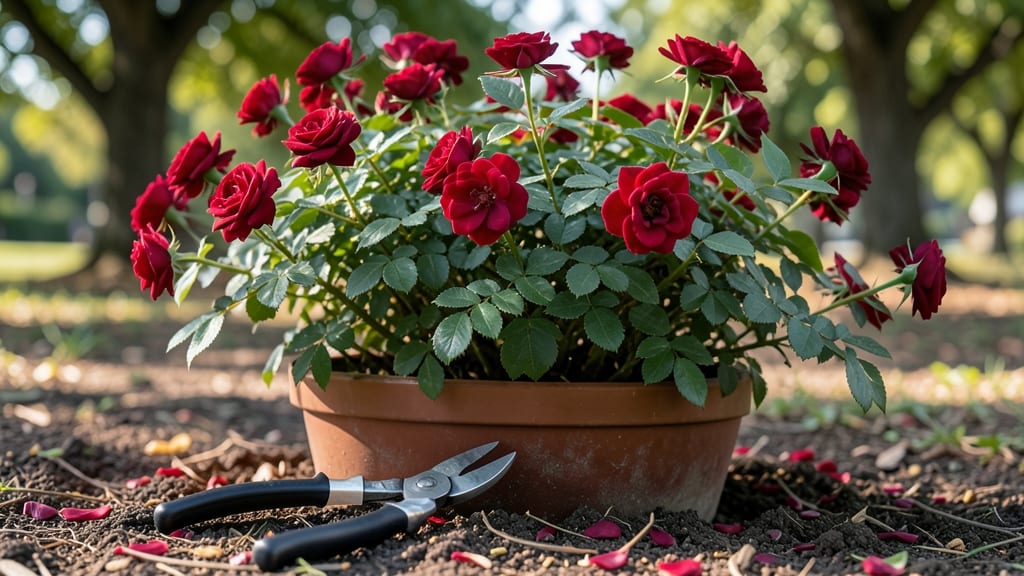
The best time to cut back knockout roses is in late winter, just before new growth begins—typically between late February and early March in most climates. Trim back stems to 12-18 inches above the ground to encourage vigorous spring blooms and prevent disease.
Late winter pruning works because knockout roses enter dormancy in cold weather, making them less vulnerable to stress. 🌱 When you trim just before buds swell, you're essentially giving the plant a fresh start—it focuses energy on producing strong new shoots and abundant flowers.
I've seen firsthand how this timing prevents fungal issues that often plague spring pruning, while still leaving enough foliage to protect the plant from harsh winter winds.
This method also helps shape the plant's structure for the growing season ahead. By cutting back to 12-18 inches, you're creating a balanced framework that supports heavier blooms later.
The key is to avoid pruning too early—before the last frost—or too late, when new growth has already begun, as both can stress the plant.
💡 In This Article
- Why Late Winter Pruning Boosts Knockout Rose Health
- Step-by-Step Guide to Pruning Knockout Roses for Maximum Blooms
Why late winter pruning boosts knockout rose health
Late winter pruning works because knockout roses enter a state of dormancy during cold months, which is their natural defense mechanism against winter stress. During dormancy, the plant's metabolic processes slow dramatically, reducing water loss and energy expenditure.
This period of rest allows the plant to store nutrients in its roots and stems, preparing for the rapid growth that comes with spring. When you prune just before new growth begins, you're essentially tapping into this stored energy, redirecting it toward producing stronger, more vigorous shoots. 🌱
The timing of late winter pruning—typically between late February and early March—is critical because it coincides with the plant's natural biological clock. At this stage, the buds are still dormant but about to swell, signaling the plant's readiness to grow.
Cutting back at this precise moment removes damaged or weakened stems while leaving enough healthy growth points to support the plant's recovery.
Research shows that pruning too early can expose the plant to cold damage, while pruning too late risks encouraging tender new growth that could be harmed by late frosts.
One of the biggest advantages of late winter pruning is disease prevention. Knockout roses are particularly susceptible to fungal infections like black spot and powdery mildew, which thrive in the moist, warm conditions of spring.
By removing old, diseased wood during dormancy, you eliminate the primary sources of infection. Additionally, pruning opens up the plant's canopy, allowing better air circulation and sunlight penetration, which are both essential for preventing fungal growth.
This is why I always recommend sterilizing your pruning tools with rubbing alcohol before and after use—it's a simple step that can make a huge difference in keeping your roses healthy.
The height at which you cut back—12-18 inches—isn't arbitrary. This range is based on the plant's natural growth patterns and its ability to regenerate. Cutting too low can remove too many growth points, while leaving stems too tall can result in a leggy, weak plant.
The ideal height encourages the development of a strong, bushy structure that supports the heavy blooms knockout roses are known for. For example, a 15-inch cut typically leaves 3-5 strong buds along the stem, which will develop into new shoots and eventually into flowering stems.
Climate plays a significant role in determining the exact timing. In warmer southern regions, where winters are milder, you might start pruning as early as January, while in colder northern climates, it's safer to wait until late March.
The key is to look for signs of new growth—when you see the buds beginning to swell, it's time to act. This approach ensures that you're not pruning too early, which can stress the plant, or too late, which can reduce the plant's ability to recover before the growing season.
Another important factor is the plant's overall health. If your knockout roses have been particularly hard hit by pests or disease, you might need to prune more aggressively to remove all affected areas.
However, even in these cases, it's essential to avoid cutting back more than one-third of the plant's total height in a single season. This rule helps maintain the plant's balance and ensures it has enough foliage to continue photosynthesis and support its growth. 🌿
Finally, the act of pruning itself stimulates the plant's growth hormones. When you make a clean cut just above a bud, you're essentially signaling to the plant that it's time to focus its energy on growing new shoots from that point.
This hormonal response is what leads to the lush, bushy growth and abundant blooms that knockout roses are famous for. By understanding and working with these natural processes, you're giving your roses the best possible start to the growing season.