
Plants
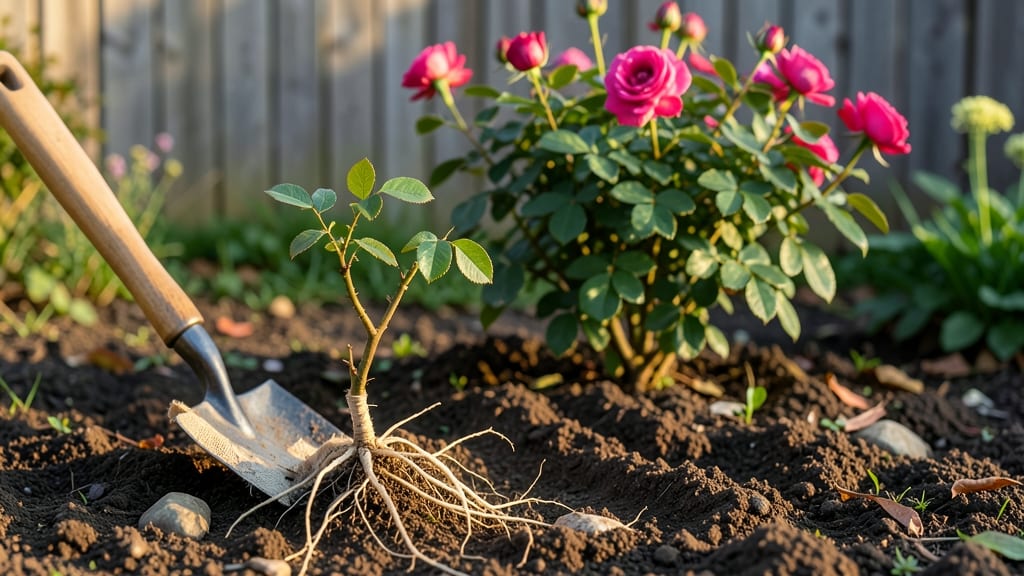
Planting roses in New York at the right time ensures your 🌹 thrives through the seasons—miss the window, and you risk stunted growth or worse, frost damage.
If you've ever watched your rose bushes struggle after a late frost or wilt in the heat, you know timing matters more than most gardeners realize. In New York's zones 5b-7a, planting too early exposes roots to cold, while waiting too long can leave them vulnerable to summer stress.
This guide breaks down the exact months to plant roses in your specific zone, from NYC to upstate regions, plus soil prep tips to give your roses the best start.
You’ll learn how to read frost dates, choose the right varieties for your climate, and protect your investment—whether you’re a first-time gardener or a seasoned pro.
Best planting months for roses in New York by hardiness Zone
New York’s hardiness zones 5-7 create unique challenges for rose planting, where late frosts and soil temperature swings can make or break your success. Whether you're in NYC (Zone 7a), Long Island (Zone 7b), or upstate (Zone 5b), timing matters more than most gardeners realize.
Plant too early, and your roots freeze. Plant too late, and your rose struggles to establish before winter.
For bare-root roses, the ideal window is just after the last frost—typically mid-April to mid-May—when soil temperatures consistently stay above 60°F. Fall planting is also viable in September-October, but only if you give roots 6-8 weeks to establish before the first frost.
Let’s break down the best months by zone to ensure your roses thrive.
🌹 Key Rule: Always check your local frost dates—they can vary by 1-2 weeks even within New York. Use the National Weather Service or Old Farmer’s Almanac for your specific area.
In Zone 5b, where winters are colder, aim for early spring planting to give roots time to harden off before winter. Upstate gardeners should also consider fall planting in late September, but only if your roses have 6 weeks to establish before the ground freezes.
Use mulch (4-6 inches) to insulate roots and protect against temperature swings.
For Zone 7a gardeners in NYC or Long Island, you have a bit more flexibility. Planting in late April or early May works well, but fall planting in October is also viable if you mulch heavily.
The milder winters in these zones mean roses can often survive with less insulation, but don’t push it—late October plantings risk stress before dormancy.
🌱 Pro Tip: If you’re planting in fall, choose disease-resistant varieties like 'Knock Out' roses or 'Dr. Huey', which handle New York’s humidity better. These roses also establish faster, giving them a fighting chance against early frosts.
One common mistake in New York is planting roses too early in spring—before the soil warms to 60°F. Cold soil slows root growth, leaving your rose vulnerable to black spot and canker diseases.
Use a soil thermometer to check—if it’s below 60°F, wait a week or two. Patience here pays off with stronger, healthier plants.
Another critical factor is moisture management. New York’s clay-heavy soils (common in upstate areas) can suffocate roots if not amended with compost or sand. After planting, water deeply once a week for the first month to encourage root spread.
In Zone 7a, where summers are hotter, you may need to water every 3-4 days during dry spells.
Finally, don’t forget to <
Signs your New York soil is ready for rose planting (and how to fix it)
New York’s soil can be tricky for roses—too much clay or poor drainage can stunt growth, while the right conditions set your plants up for success. Before planting, check if your soil is ready by testing moisture levels, temperature, and drainage.
Roses thrive in soil that’s 60°F or warmer and holds moisture without becoming soggy. If your soil fails these checks, don’t worry—simple amendments can turn it into perfect rose-growing real estate.
Start by digging a small hole (about 12 inches deep) and filling it with water. If it drains in 1-2 hours, your soil has good drainage. If water pools or drains slowly, you’ll need to add organic matter like compost or coarse sand.
For clay-heavy soil, mix in peat moss or aged compost to improve aeration. These tweaks can make a world of difference for your roses’ root health.
⚠️ WARNING: Planting roses in cold or waterlogged soil is a recipe for failure. New York’s late frosts (often until mid-April) and heavy clay soils in regions like Buffalo or Syracuse can delay planting. If your soil temperature is below 60°F or feels damp to the touch, wait.
Cold soil slows root growth, while waterlogged conditions invite root rot. Use a soil thermometer ($10 at garden centers) to check—ideal temps are 60°F+. If you’re planting in fall, aim for 6-8 weeks before first frost (usually mid-September in NYC) to give roots time to establish.
For a quick DIY soil test, grab a handful of damp soil and squeeze it. If it crumbles easily, it’s ready. If it stays in a tight ball, it’s too clay-heavy.
To fix it, mix in 2-3 inches of compost and 1 inch of coarse sand into the top 12 inches of soil. For acidic soil (common in Long Island), add lime to raise the pH to 6.0-6.5, which roses love.
A simple pH test kit ($5) will confirm if your soil needs adjusting.
Don’t overlook mulching—it’s a game-changer for New York’s temperature swings. After planting, spread 3-4 inches of mulch (like shredded bark or straw) around your roses but keep it 2 inches away from the stem.
Mulch insulates roots in winter, retains moisture in summer, and slowly breaks down to improve soil structure. Replenish it annually to maintain its benefits.
If your soil is sandy (common in upstate regions), amend it with peat moss or coconut coir to retain moisture. Sandy soil drains too quickly, causing stress. For urban gardens with compacted soil, consider planting roses in raised beds filled with a mix of topsoil, compost, and perlite.
This mimics ideal conditions and gives roots room to grow without competition from weeds or poor drainage.
Finally, observe your soil’s behavior after rain. If water pools for more than 6 hours, you’ve got drainage issues. If it dries out in a few hours, it’s too sandy.
Adjust accordingly—roses need consistent moisture but hate soggy feet. With these fixes, your New York soil will be rose-ready in no time! 🌹