
Size
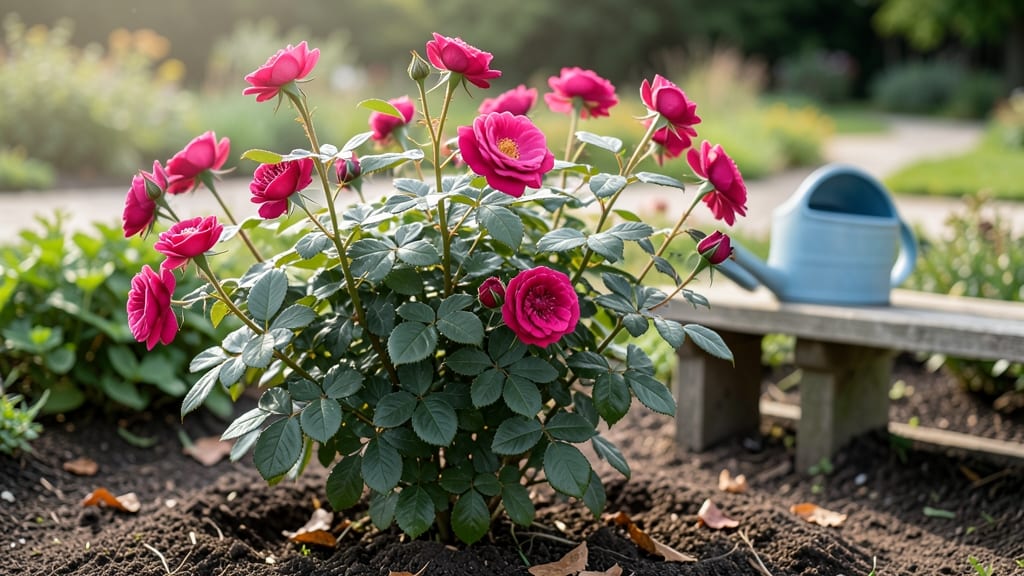
Growing Knockout roses means year-round color without the fuss of constant pruning or deadheading. 🌹 I've been growing these tough beauties for five years now, and they've never failed to impress—even through droughts, heatwaves, and my occasional neglect.
The secret lies in their disease resistance and how they bloom continuously when given the right conditions.
These roses thrive in full sun with just 6 hours of direct light daily, though they'll tolerate partial shade in hotter climates. The soil doesn't need to be fancy—just well-draining and slightly acidic—but adding compost at planting time gives them a head start.
Watering is simple too: deep soaks once a week (more in extreme heat) keeps them happy without the risk of root rot.
Pruning is where Knockout roses shine. You'll only need to trim them once a year in late winter to shape the plant and remove dead wood.
The rest of the time, they just keep blooming—no deadheading required. By midsummer, you'll have lush, bushy plants covered in vibrant flowers that last for weeks.
They handle winter just fine in zones 4-9, though a light mulch layer helps protect the roots in colder areas. The best part? These roses resist black spot, powdery mildew, and other common rose diseases, so you won't spend your gardening days spraying chemicals.
Let's get those roots in the ground!
📚 In This Guide
- What you need
- Instructions
- Tips and common mistakes
- Wrapping up and next steps
What you need
- ● Knockout® rose plants: Choose disease-resistant varieties like Knock Out®, Double Knock Out®, or Rainbow Knock Out®. Buy 1–3 plants per location (they thrive in clusters!).
- ● Well-draining potting mix or garden soil: 50% native soil + 50% compost or a high-quality rose-specific mix (e.g., Miracle-Gro Garden Soil).
- ● Organic mulch: 2–3 inches of shredded bark, straw, or wood chips to retain moisture and suppress weeds.
- ● Balanced fertilizer: 10-10-10 or rose-specific fertilizer (e.g., Espoma Rose-Tone). Use sparingly—follow package instructions!
- ● Watering can or hose with a gentle spray nozzle: Roses need 1–1.5 inches of water per week (drip irrigation is ideal).
- ● Pruning shears: Sharp, bypass-pruners (e.g., Fiskars Ergo-Fit) for clean cuts.
- ● Gloves: Heavy-duty gardening gloves to protect against thorns.
- ● Trowel or shovel: For planting and amending soil.
- ○ Stakes or cages (optional): 4–6 ft tall rose supports (e.g., Bramble Master stakes) if your variety needs extra support.
- ○ Spray bottle with neem oil (optional): For natural pest control (e.g., aphids or spider mites).
- ● Sunlight: 6+ hours of full sun daily—Knockout roses are sun-hungry!
- ● Space: Plant at least 3–4 feet apart for airflow (crowding invites disease).
- ● Drainage: Avoid soggy soil—amend clay soil with perlite or sand if needed.
- ● Patience: Roses may take 6–8 weeks to establish after planting.
Step-by-step instructions for growing Knockout roses
Here's how to cultivate these hardy, low-maintenance roses that bloom nonstop with just a few key moves.
🌱 Step 1: Plant in Full Sun With Well-Draining Soil
Choose a location that gets at least 6 hours of direct sun daily—Knockout roses thrive where they can soak up sunlight. The more sun, the more blooms you'll get. I always dig a hole twice as wide as the root ball but only as deep as the plant's container. This gives roots room to spread without settling too low.
Work in 2-3 inches of compost mixed with native soil to improve drainage. Knockouts hate soggy roots, so if your soil stays wet for more than a day after rain, amend with sand or gravel. Gently tease out any circling roots before placing the plant in the hole. You'll see new growth within 4-6 weeks if the site is right.
💧 Step 2: Water Deeply and Mulch to Retain Moisture
Water immediately after planting to settle the soil around roots, then again in 3-4 days when the top inch feels dry. Knockout roses develop deep root systems, so I water 1-2 times weekly during their first season, aiming for 1 inch of water per week. Let the soil dry slightly between waterings—this prevents fungal diseases that love damp foliage.
Spread 2-3 inches of mulch around the base, keeping it 3 inches away from the stem to prevent rot. I use shredded bark because it breaks down slowly and improves soil structure over time. The mulch keeps roots cool in summer and insulates them in winter, which is key for these roses' hardiness.
✂️ Step 3: Prune Lightly After First Blooms Fade
Knockouts bloom on new wood, so you can prune anytime—but I always do a light cleanup right after the first flush of flowers fades. Cut back stems by one-third to encourage bushier growth. Look for branches that cross or grow inward and remove them completely. This opens the center of the plant to airflow, which prevents black spot disease.
Use clean, sharp pruners to make cuts just above an outward-facing bud. I dip my tools in rubbing alcohol between cuts to prevent spreading any hidden pathogens. Avoid heavy pruning in late summer—it removes next year's flower buds. You'll see fresh, vigorous growth within 2-3 weeks of pruning.
☀️ Step 4: Feed and Monitor for Pests Monthly
Apply a balanced 10-10-10 fertilizer in early spring when new growth appears, then again in midsummer. I use a slow-release granular formula so the roses get steady nutrition without burning. Water the soil first to help distribute the fertilizer evenly—never apply it to dry soil. Knockouts are forgiving but respond best to consistent feeding.
Check leaves weekly for aphids or spider mites, which love the tender new growth. I spray with neem oil at the first sign of pests—it's organic, effective, and won't harm pollinators. Healthy Knockout roses rarely need treatment, but I keep an eye out for yellowing leaves, which usually means overwatering or poor drainage. Adjust your care and you'll see fresh green within 1-2 weeks.
⏰ Step 5: Prepare for Winter With Minimal Protection
Knockouts are cold-hardy, but I still protect them from harsh winter winds. In late fall, cut back any dead or diseased stems and apply a 3-inch layer of mulch around the base. I avoid heavy pruning in winter—just a light cleanup keeps the plant tidy without stressing it. Water deeply before the first hard frost to ensure roots stay hydrated through dormancy.
If you're in a zone with below 0°F temperatures, wrap the canes loosely with burlap or use rose cones to shield them. I never wrap tightly—Knockouts need airflow to prevent rot. In spring, remove any winter protection as soon as new growth appears. You'll see buds forming by early April, signaling the start of another blooming season.
Tips & tricks for perfect Knockout roses
These simple secrets will help your Knockout roses thrive with less effort and more spectacular blooms.
Sunlight Strategy: While 6 hours of direct sun is the minimum, I've found that Knockout roses reward you with even more blooms when they get 8+ hours. If your garden has partial shade, position the rose where it gets morning sun and afternoon shade—this prevents leaf scorch while still fueling those nonstop blooms.
Soil Prep Secret: Before amending with compost, I always test my soil's drainage by digging a hole and filling it with water. If it doesn't drain within 6 hours, I know I need to add more sand or gravel. This simple test prevents the #1 killer of Knockout roses—root rot. The 2-3 inches of compost should be mixed into the top 6-8 inches of soil, not just sprinkled on top.
Watering Wisdom: That 1-2 times weekly watering guideline works best when your soil is well-draining. I check moisture by sticking my finger 2 inches into the soil—if it's dry, it's time to water. For container-grown Knockout roses, you'll need to water more frequently, sometimes daily in hot weather, because pots dry out faster. The key is consistent moisture without soggy soil.
Pruning Precision: When cutting back those one-third prunes, I always look for the outward-facing bud just above where I'm cutting. This simple trick ensures new growth will angle outward, creating a fuller, more balanced plant. And here's what nobody tells you—if you accidentally cut into a bud, don't panic! Just make a new cut above the next healthy bud. The plant will still grow, just with a slightly different shape.
Pro Tips for Grow Knockout Roses
- These simple secrets will help your Knockout roses thrive with less effort and more spectacular blooms.
- Sunlight Strategy: While 6 hours of direct sun is the minimum, I've found that Knockout roses reward you with even more blooms when they get 8+ hours.
- Soil Prep Secret: Before amending with compost, I always test my soil's drainage by digging a hole and filling it with water.
Frequently asked questions
about growing Knockout Roses—because every gardener deserves a little extra guidance!When is the best time to plant Knockout Roses?
Plant your Knockout Roses in early spring or fall (4-6 weeks before the first frost). This gives roots time to establish before extreme temperatures. Avoid planting in summer heat or winter cold, as stress can stunt growth. If you must plant in summer, water deeply daily for the first 2 weeks!
How often should I prune Knockout Roses?
One of their biggest perks! Prune just once a year—right after blooming (late spring/early summer). Cut back dead or weak stems and shape the bush by trimming ⅓ of the oldest canes. No need for frequent pruning—they’re low-maintenance superstars!
Why aren’t my Knockout Roses blooming as much as they should?
Check these common culprits:
- Over-fertilizing: Too much nitrogen = leafy growth, fewer flowers. Use a balanced rose fertilizer (10-10-10) sparingly.
- Poor sunlight: They need 6+ hours of direct sun daily. Move them if shaded by trees or buildings.
- Underwatering: Drought stress causes buds to drop. Water 1-2 inches per week (deeply, not just surface watering).
- Disease pressure: Yellow leaves or black spots? Prune infected stems and apply neem oil or fungicide.
Can Knockout Roses survive winter in cold climates?
They’re USDA Zones 4-9 hardy, but protect them in harsh winters:
- Mulch 3-4 inches of organic mulch (straw or shredded bark) around the base after the ground freezes.
- Avoid piling mulch against the stems—keep it 6 inches away to prevent rot.
- In Zone 4 or colder, wrap the bush with burlap or frost cloth for extra insulation.
Are Knockout Roses deer-resistant?
Not entirely! While they’re less appealing to deer than other roses, hungry critters may still nibble. Try these deterrents:
- Plant deer-resistant companions nearby (e.g., lavender, Russian sage, or boxwood).
- Apply deer repellent sprays (like garlic-based options) or use physical barriers (chicken wire).
- Consider native roses (like Rosa setigera) if deer are a persistent problem.
Wrapping up and next steps
Growing Knockout Roses is a rewarding journey that brings vibrant blooms to your garden with surprisingly little effort! 🌸 With the right location, soil prep, and minimal pruning, these hardy beauties thrive year-round—adding color and charm without the fuss.
Remember, consistency in watering, mulching, and seasonal care is key to keeping them flourishing.
Now that you’re armed with expert tips, it’s time to roll up your sleeves and plant your first Knockout Rose. Start small—try a single bush or a cluster—and watch your garden transform!
For even more inspiration, explore design ideas or companion plants to elevate your rose garden further. Happy gardening! 🌱