
Blooming
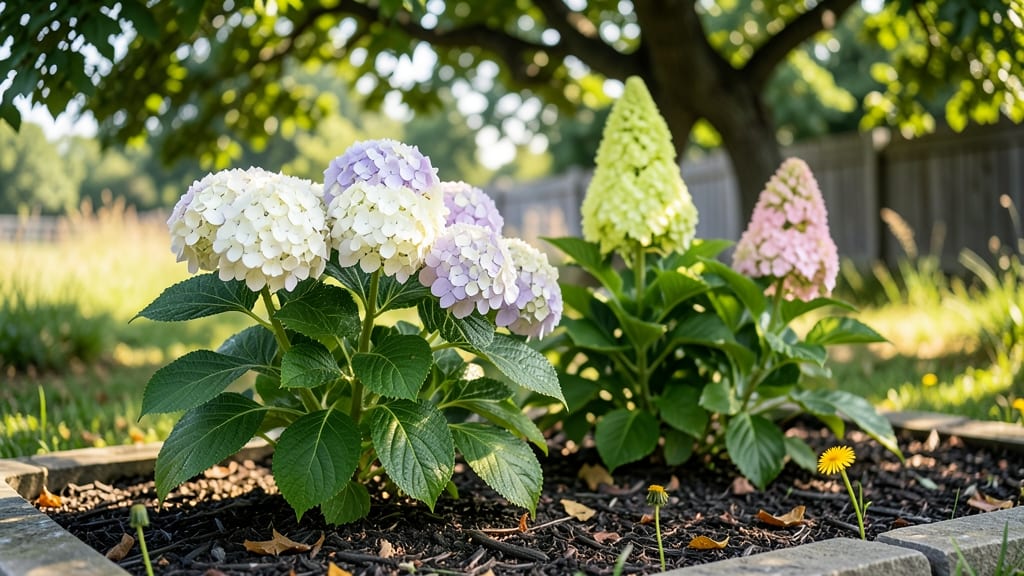
Hydrangeas in Illinois typically bloom between June and September, with timing that shifts depending on your zone and the variety you grow.
If you're dreaming of vibrant hydrangea blooms in your Illinois garden, timing is everything—planting too early or late can mean missed seasonal color.
For northern Illinois gardeners in zones 5b-6a, blooms often start in late June, while southern Illinois gardeners may see earlier flowers as early as May. Bigleaf varieties like 'Endless Summer' tend to bloom later, while panicle types like 'Limelight' might start sooner.
Below, I’ll break down the exact months for each type, how frost zones affect your blooms, and 5 simple tricks to coax those flowers a few weeks earlier—no matter where you live in the state.
Hydrangea bloom times in Illinois by variety: month-by-month guide
Hydrangeas are Illinois gardeners' favorite for their show-stopping blooms, but their timing varies dramatically by variety and frost zone. In USDA zones 5b-6b, you’ll see everything from late spring to late summer blooms, depending on what you plant.
Understanding these patterns helps you plan your garden layout and extend your blooming season with strategic selections.
The key to Illinois hydrangea success is matching your local frost date with the right variety. Northern Illinois (zone 5b) typically sees blooms 2-3 weeks later than southern Illinois (zone 6b).
For example, Bigleaf hydrangeas often bloom in June-July in southern Illinois but may wait until late July-August in northern areas. Let’s break down the exact months for each popular type.
| Variety | Bloom Season | Zone 5b (North IL) | Zone 6b (South IL) | Reblooming? |
|---|---|---|---|---|
| Bigleaf (H. macrophylla) | Late Spring | July-August | June-July | No (unless 'Endless Summer') |
| Panicle (H. paniculata) | Late Summer | August-September | July-August | Yes (most varieties) |
| Oakleaf (H. quercifolia) | Late Spring | June-July | June | No (single bloom) |
| Smooth (H. arborescens) | Early Summer | June-July | Late May-June | Yes (some varieties) |
| Mountain (H. serrata) | Late Spring | July | Late June | No |
If you’re planning a continuous bloom garden, combine early bloomers like Smooth hydrangeas (late May-June) with late bloomers like Panicle hydrangeas (August-September). This creates a 3-month color show from June through September. For example, plant 'Annabelle' (Smooth) alongside 'Limelight' (Panicle) to enjoy white blooms from early summer into fall.
For northern Illinois gardeners in zone 5b, expect blooms to arrive 2-3 weeks later than in southern Illinois. This delay is due to cooler spring temperatures and later last frost dates.
To push blooms earlier, consider microclimate adjustments like planting near a south-facing wall or using black plastic mulch to warm the soil. These tricks can advance bloom times by 1-2 weeks.
Panicle hydrangeas are the reblooming champions of Illinois gardens. Varieties like 'Little Lime' and 'Gold Rush' produce two flushes of blooms: the first in late June-July and a second, often larger display in August-September. To encourage reblooming, prune in late winter (February) to remove dead wood and shape the plant. Avoid heavy pruning in fall, as this can reduce next year’s blooms.
Bigleaf hydrangeas, like the classic 'Nikko Blue', typically bloom on old wood, meaning their flowers appear on last year’s growth. This makes them non-reblooming in most Illinois climates.
However, the 'Endless Summer' series is a game-changer—it blooms on both old and new wood, giving you two chances for color each season. Plant these in sheltered spots to protect them from late spring frosts, which can damage emerging buds.
Oakleaf hydrangeas offer seasonal interest beyond blooms. Their exfoliating bark and fall foliage make them a year-round favorite. In Illinois, they typically bloom in June-July, but their leaves turn stunning reds and oranges in fall, adding autumn color when other hydrangeas fade. Choose 'Snow
How Illinois frost zones affect hydrangea blooming seasons
If you’ve noticed hydrangeas in northern Illinois blooming earlier than those in southern Illinois, your frost zone is the culprit. Illinois spans USDA zones 5b-6b, creating a 2-4 week difference in bloom timing.
In zone 5b (northern areas like Chicago), expect blooms to start in late June to early July, while zone 6b (southern areas like Springfield) sees flowers appear as early as mid-June. This shift happens because warmer southern zones thaw sooner, giving hydrangeas a head start.
The last spring frost date—typically April 15 in northern Illinois and March 30 in the south—sets the stage for bloom timing. Hydrangeas need 60-90 frost-free days to mature buds, so earlier last frosts in southern Illinois accelerate blooming.
For example, 'Endless Summer' bigleaf hydrangeas in zone 6b may bloom in late May, while the same variety in zone 5b waits until June 15.
| Frost Zone | Last Spring Frost | Bloom Start (Bigleaf) | Bloom Peak (Panicle) | Care Adjustment |
|---|---|---|---|---|
| Zone 5b (Chicago, DeKalb) | April 15 | Late June | Early August | Mulch heavily in fall; prune in late winter |
| Zone 6a (Peoria, Champaign) | April 1 | Mid-June | Late July | Light mulch; prune in early spring |
| Zone 6b (Springfield, Carbondale) | March 30 | Late May | Early August | Minimal mulch; prune after blooms fade |
To extend blooming in colder microclimates, focus on mulching and pruning strategies. In zone 5b, apply 4-6 inches of mulch in late fall to insulate roots and protect buds from late spring frosts.
For 'Limelight' panicle hydrangeas, prune in late winter (February) to encourage early blooms, while 'Annabelle' varieties benefit from early spring pruning to avoid frost damage.
Southern Illinois gardeners can delay blooming slightly by avoiding heavy fertilization in early spring, which forces rapid growth vulnerable to late May frosts. Instead, feed lightly in mid-May to sync blooming with warmer weather.
For reblooming varieties like 'Nikko Blue', deadhead spent flowers in early August to encourage a second flush of blooms before frost.
Microclimates also play a role—urban heat islands in Chicago can push blooms 1-2 weeks earlier than rural areas, while wind-exposed sites delay blooming. To combat this, plant hydrangeas near southeast-facing walls or under deciduous trees for gradual sun exposure.
In zone 5b, choose hardier varieties like 'Little Lime' or 'Dart's Little Dot', which tolerate colder snaps better than tender bigleaf types.
Monitor your local first frost date (typically October 15 in northern Illinois) to time fall pruning. In zone 6b, prune after leaf drop (November) to avoid exposing fresh cuts to frost, while zone 5b gardeners should prune in late winter to prevent bud dieback from early freezes.