
Blooming
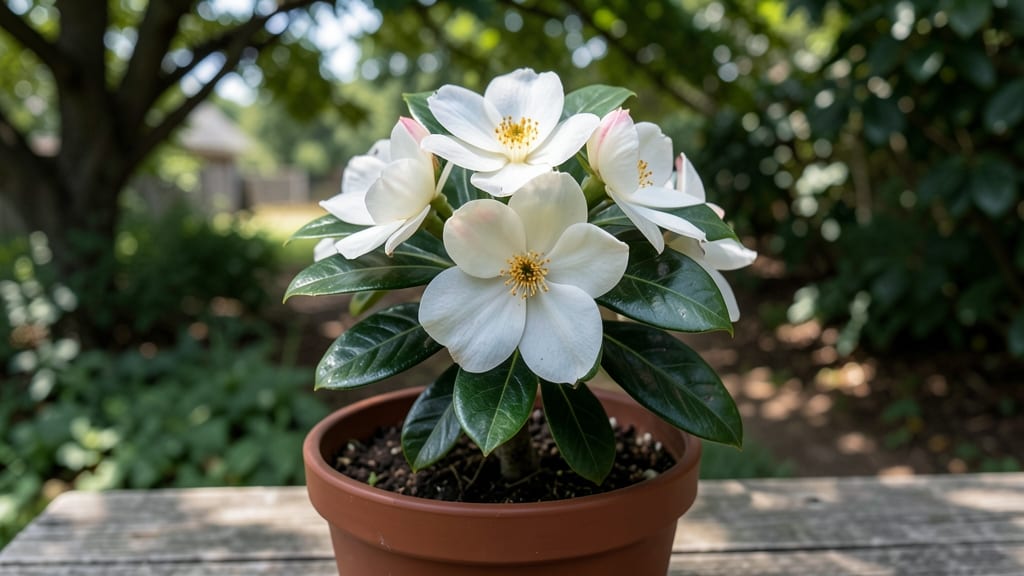
Gardenias bloom in Texas between late spring and early fall 🌸, but the exact timing depends on your region and the variety you grow.
If you're dreaming of fragrant gardenias blooming in your Texas garden, timing is everything—these tropical beauties thrive in specific conditions, and their bloom cycles vary dramatically by variety.
In North Texas, where cooler temperatures linger, you might spot those first creamy-white blossoms as early as May, while South Texas gardeners often enjoy April showers and blooms by late March.
Below, I break down the month-by-month bloom schedule by variety, plus the 5 key adjustments you can make to coax earlier or longer blooms—even in the hottest Texas summers.
Texas gardenia bloom seasons by variety: month-by-month breakdown
Gardening in Texas means embracing its dramatic climate shifts, and gardenias are no exception. These fragrant shrubs bloom at different times depending on the variety and your specific Texas region.
Whether you're in North Texas with cooler winters or South Texas with extended growing seasons, timing is everything for those prized white blossoms.
Texas spans USDA zones 7b-9b, creating microclimates that can shift gardenia bloom seasons by 1-2 months. Coastal areas like Galveston enjoy longer growing seasons, while inland cities like Austin or Dallas may experience delayed blooms.
Let's break down when to expect flowers from popular gardenia varieties in your area.
🌸 GARDENIA BLOOM TIMELINE BY VARIETY
Notice how South Texas varieties bloom 1-2 months earlier than their North Texas counterparts? This shift happens because warmer winters and longer growing seasons in southern regions allow gardenias to push blooms sooner. In Central Texas, you'll typically see blooms fall between these two extremes.
For North Texas gardeners, varieties like Radicans and Fortuniana may struggle in zone 7b without winter protection. These areas often see delayed blooms until after the last frost date (March 15 in Dallas). Consider planting heat-tolerant varieties like Augusta for more reliable summer blooms.
In Central Texas (Austin/San Antonio), your gardenias should bloom continuously from March through September if you plant a mix of early, mid, and late-season varieties. The key is consistent moisture during Texas' brutal summer heat—deep watering 2-3 times per week keeps blooms coming.
If you live in South Texas (Houston/Galveston), you're in luck! The humid coastal climate extends the blooming season, with some varieties like Veitchii flowering into October. Just watch for hurricane season (June-November) which can damage blooms—consider staking taller varieties for protection.
Pro tip: Prune gardenias lightly after their main bloom cycle to encourage a second flush of flowers. For example, if your Fortuniana blooms in May, a light pruning in June might trigger another round of blooms by August.
Just avoid heavy pruning—these shrubs bloom on old wood, so you want to preserve last year's growth.
🌿 For maximum fragrance, plant gardenias near patio seating areas or bedroom windows. Their intoxicating scent peaks in the early morning, making them perfect for sunrise garden strolls.
Just remember: gardenias hate alkaline soil—test your pH and amend with sulfur or peat moss if needed to keep it between 5.0-6.5.
How Texas climate zones affect gardenia blooming times
Texas gardenias are stunning, but their blooming times shift dramatically depending on your USDA zone. From the cooler North Texas hills (Zone 7B-8A) to the humid Gulf Coast (Zone 9A-9B), each region offers unique challenges—and opportunities—for timing those fragrant white blooms just right.
Understanding these variations helps you plan pruning, fertilize, and protect plants during critical growth periods.
In Zone 6A (North Texas), gardenias often wait until late April or May to bloom, delayed by spring frost risks and cooler temperatures. Meanwhile, Zone 9B (South Texas) gardenias may start blooming as early as February, taking advantage of milder winters and higher humidity.
These differences aren’t just about timing—they also affect how long your gardenias stay in bloom and how vigorously they grow.
🌸 Texas Gardenia Bloom Timeline by Zone
| Zone | Bloom Start | Peak Bloom | Bloom End | Key Factor |
|---|---|---|---|---|
| 6A-7A (North) | Late April | June-July | August | Frost delays |
| 8A-8B (Central) | March-April | May-June | July | Moderate heat |
| 9A-9B (South) | February-March | April-May | June | Humidity boost |
💡 Pro Tip: Gardenias in cooler zones (6A-7A) often bloom 2-3 weeks later than those in warmer zones (9A-9B). Adjust pruning and fertilizing schedules accordingly to maximize bloom potential.
Humidity plays a huge role in bloom timing, especially in South Texas (Zones 9A-9B). The higher humidity levels there mimic gardenias' native tropical environments, encouraging earlier bud formation.
In contrast, Central Texas (Zones 8A-8B) experiences more temperature swings, which can delay blooming until after the last frost—typically mid-March to early April. If you're in this zone, watch for new leaf growth in late February as a signal that blooms are coming soon.
For gardeners in North Texas (Zones 6A-7A), frost is the biggest enemy of early blooms. A late frost in March or April can wipe out buds, pushing blooms back until June or July.
To combat this, I recommend covering plants with frost cloth during cool snaps and planting in sheltered microclimates, like near a south-facing wall. Mulching with pine straw also helps insulate roots and encourage earlier blooming in subsequent years.
If you're in a warmer zone (9A-9B), you might notice gardenias blooming twice a year—once in early spring and again in fall. This happens because the consistent warmth and high humidity create ideal conditions for continuous growth.
To extend this second bloom cycle, I suggest light pruning in August to encourage new growth and fertilizing with acid-loving plant food in early September.
Regardless of your zone, soil acidity is critical for gardenia blooms. Texas soils are often alkaline, which stresses these tropical plants. I always test my soil and amend it with sulfur or peat moss to maintain a pH of 5.0-6.5.
This small step can make the difference between sparse blooms and a prolific display of fragrant flowers. Pair this with consistent morning watering and partial shade, and you’ll be well on your way to gardenia success in any Texas climate zone.