
Blooming
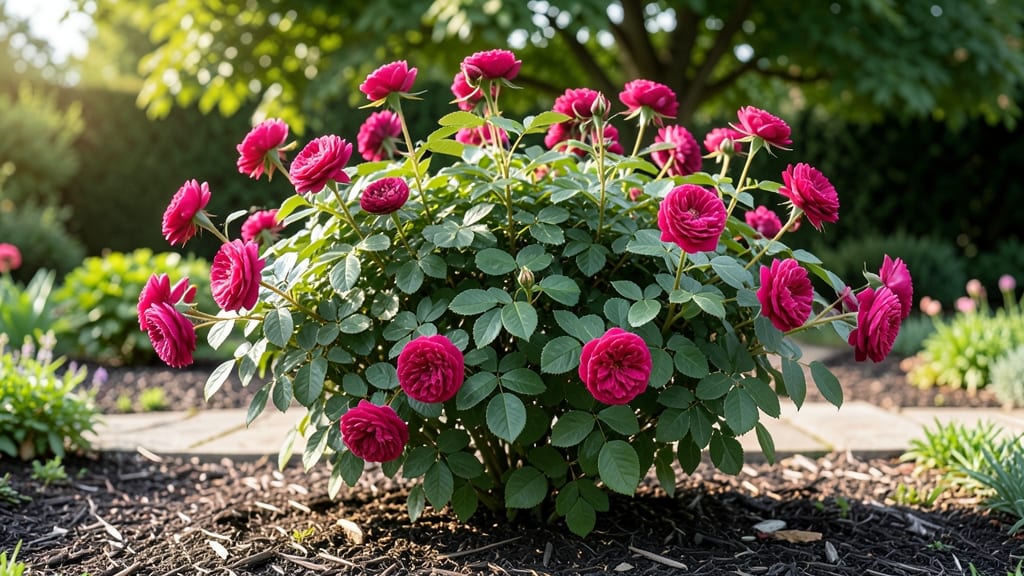
Understanding the Knockout Roses bloom cycle is your secret weapon for year-round color 🌹—because these shrubs aren’t just pretty; they’re designed to defy the "one big bloom and then it’s over" rule.
Here’s the catch: while they can bloom continuously, most gardeners miss the pruning triggers and seasonal cues that keep them producing.
Without the right timing, you’ll end up with a bush that throws out a few flowers in spring and then calls it quits—leaving you wondering why your neighbors’ roses look like nonstop confetti.
In this guide, I’ll break down the four-season bloom cycle—from dormancy to peak flowering—and show you exactly when to prune, feed, and deadhead to extend those blooms well beyond one season. No more guessing, just science-backed strategies to turn your Knockout Roses into the showstopper they’re meant to be.
You’ll also learn the three biggest myths about their "continuous bloom" claims (spoiler: it’s not automatic) and how to troubleshoot when your roses suddenly stop cooperating. Ready to unlock that legendary repeat-flowering?
Knockout roses bloom cycle stages: what to expect each season
Knockout roses are famous for their near-continuous blooms from early summer through fall, but their four-season cycle includes hidden stages that determine success. Unlike traditional roses, they bloom on old and new wood, meaning they can produce flowers even after pruning.
Understanding each stage—from dormancy to peak blooming—helps you extend their flowering season and troubleshoot issues like mid-season slumps.
In USDA Zone 6, where these roses thrive, the cycle begins in late winter with dormancy. This is when your plant stores energy for the upcoming season. By spring, buds form along the stems, setting the stage for the first flush of blooms in early summer.
Without proper care, this initial burst can be followed by a bloom drought, but with the right techniques, you’ll see continuous reblooming through fall.
Here’s a breakdown of what to expect—and how to optimize—each stage of your knockout roses’ bloom cycle:
| Season | Stage | Key Actions | What to Watch For |
|---|---|---|---|
| Winter | Dormancy | Prune dead wood; mulch base | No blooms; focus on soil health |
| Spring | Bud Formation | Fertilize lightly; water deeply | New shoots emerge; buds swell |
| Summer | Peak Blooming | Deadhead spent blooms; feed monthly | Abundant flowers; watch for pests |
| Fall | Post-Bloom Care | Reduce watering; stop fertilizing | Foliage yellows; prepare for dormancy |
The first flush of blooms typically appears in June or July, depending on your climate. This is when your knockout roses show off their vibrant, disease-resistant flowers in colors like pink, red, and yellow.
To keep them blooming, deadhead spent blooms immediately—this removes the seed pods and signals the plant to produce more flowers. Skipping this step is the #1 reason roses stop blooming mid-season.
If your knockout roses stop blooming unexpectedly, check for these common issues: over-fertilizing with nitrogen (which promotes leafy growth over flowers), underwatering during bud formation, or shady conditions caused by nearby trees.
These roses need 6+ hours of full sun daily to thrive. Even a slight reduction in sunlight can trigger a bloom drought.
In late summer, your roses may slow their blooming as they prepare for dormancy. This is normal, but you can extend the season by giving them a light fertilizer boost in early September.
Avoid heavy feeding, as this can stimulate tender new growth that won’t survive frost. Instead, focus on watering deeply and removing diseased foliage to keep the plant healthy.
By October or November, your knockout roses will enter dormancy, dropping most of their leaves. This is their way of conserving energy for next year. Don’t prune yet—wait until late winter or early spring to remove dead wood and shape the bush.
Mulch around the base with 2-3 inches of organic mulch to protect roots from freezing temperatures.
One of the biggest misconceptions about knockout roses is that they bloom continuously without care. While they’re more resilient than other roses, they still need regular deadheading, proper pruning, and balanced fertilization to perform at their best.
With the right seasonal care, you can enjoy near-year-round blooms—even in colder climates like Zone 6.
Pro tip: Mark your calendar for key tasks like spring fertilization (April), summer deadheading (June-October), and fall mulching (November). These simple steps ensure your knockout roses stay healthy and keep blooming longer each season.
🌹
When and how to prune knockout roses for maximum blooms
Knockout roses are famous for their continuous blooms, but their legendary performance depends on strategic pruning. Unlike traditional roses, they don’t need dramatic cuts—they thrive with light, regular maintenance to keep them blooming from spring to fall.
The key is timing: prune at the right moments to encourage new growth and prevent overcrowding.
Most gardeners make two critical mistakes: pruning too late in the season or cutting back too aggressively. Both can stunt blooms or leave your roses vulnerable to disease and pests. Instead, focus on three seasonal pruning windows—each designed to support their unique reblooming nature.
⚠️ Bloom Cycle Warning
Knockout roses bloom on new wood, meaning their flowers grow from current season’s growth, not last year’s wood. If you prune after mid-summer, you risk removing next year’s flower buds. Always prune before June to avoid cutting off potential blooms for the following season.
Start with late winter pruning (just as buds swell but before new growth begins). This is your chance to shape the bush and remove dead or crossing branches. Aim to cut back 1/3 of the plant’s height, focusing on outward-facing canes to improve airflow.
Use clean, sharp pruners and make cuts at a 45-degree angle just above an outward-facing bud.
After the first major flush of blooms (usually late spring to early summer), give your knockout roses a light trim to encourage reblooming. Remove only spent blooms and leggy stems, cutting back to the nearest 5-leaflet leaf.
This post-bloom pruning signals the plant to redirect energy into new flower buds rather than seed production.
Throughout the growing season, deadhead regularly to maintain continuous blooms. Simply pinch off faded flowers with your fingers or snips, leaving the leaf cluster below. This minimal maintenance prevents seed formation and keeps the plant focused on producing more blooms.
Avoid heavy pruning after mid-summer, as it can reduce next year’s flowers.
If your knockout roses stop blooming mid-season, they may need a revival trim. Look for overcrowded centers or weak, leggy growth—these are signs of poor airflow or nutrient stress.
Prune out up to 25% of the oldest wood to rejuvenate the bush, then fertilize lightly and water deeply to encourage new growth and blooms.
Remember, knockout roses are low-maintenance champions, but they do reward consistent care. With the right pruning timing and technique, you’ll enjoy nonstop color from spring through frost—just like their name promises! ✂️🌹