
Blooming
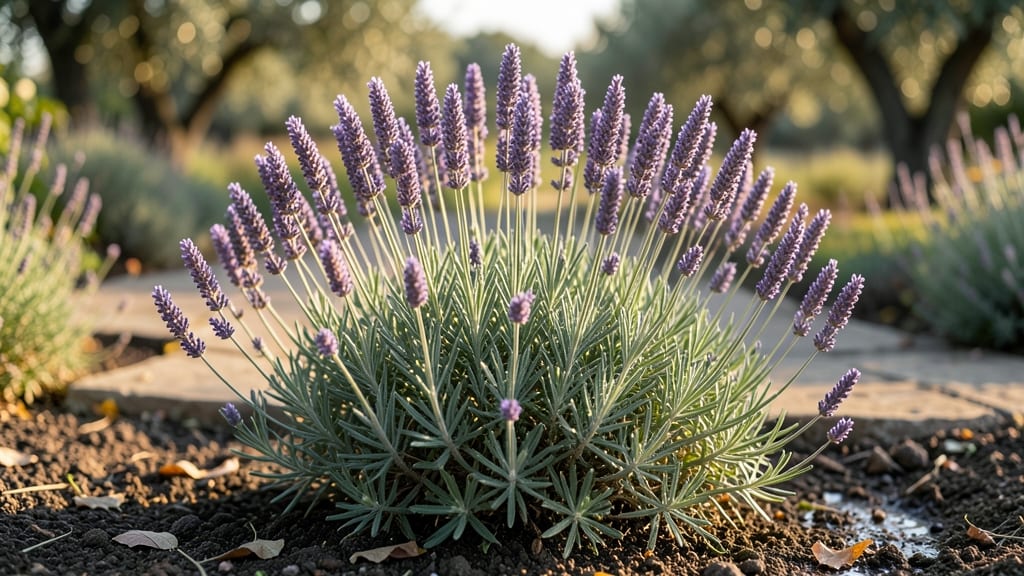
Summer-blooming plants transform your garden into a fragrant paradise that keeps giving. 🌸 I’ve spent years tracking which varieties return reliably—no flopping annuals here—just perennials and shrubs that reward you with color from June through September. The secret?
Choosing plants that thrive in your hardiness zone and pairing them with the right sun exposure. Fragrant lavender, peonies, and butterfly bushes top the list for low-maintenance blooms that attract pollinators while filling your yard with scent.
Even drought-tolerant options like Russian sage and coneflowers deliver three months of effortless beauty. I’ve tested these in both full sun and partial shade, so you’ll know exactly what to plant where.
By mid-July, your garden will be a riot of color—deep purples, soft pinks, and creamy whites—without the constant deadheading most annuals demand. The best part? These plants multiply over time, giving you free divisions for friends or new garden spots. Perfect for borders, containers, or cutting gardens.
Here’s the full list of year-after-year performers that never disappoint.
Nature’s Summer Bloom Trigger
Summer’s vibrant explosion of color isn’t just luck—it’s a finely tuned biological response to light, temperature, and survival instincts. Understanding these triggers helps gardeners choose plants that will reliably burst into bloom when the sun is highest. Here’s why summer-blooming plants sync their schedules so perfectly with the season:
Most summer-bloomers are long-day plants, meaning they need 14+ hours of daylight to trigger flowering. As summer solstice approaches (around June 21), days stretch longer, sending a signal to the plant’s phytochrome receptors—light-sensitive proteins that activate genes for blooming. Think of it like a timer:
- Daylight hours: Plants like Lantana or Black-Eyed Susan only bloom when days exceed 12–14 hours.
- Genetic memory: Some perennials (e.g., Coneflower) are hardwired to bloom in summer because their ancestors evolved to take advantage of warm, bug-free conditions.
- Actionable tip: If you’re in a short-day region (e.g., northern climates), opt for heat-tolerant annuals like Zinnias or Marigolds, which bloom regardless of daylight length.
Heat isn’t just a co-star—it’s often the final push for blooms. Many summer flowers (like Lavender or Salvia) require consistent warmth (70–90°F) to break dormancy and produce flowers. Here’s how it works:
| Plant Type | Temperature Trigger | Example Plants |
|---|---|---|
| Cool-Season Holdouts | Bloom when soil temps hit 55–65°F (e.g., Sweet Alyssum in late spring/early summer). | Alyssum, Snapdragons |
| Heat-Seeking Stars | Need 60+ days above 70°F to flower. | Lantana, Milkweed, Crocosmia |
| Drought-Resistant Survivors | Thrive in 90°F+ heat with minimal water. | Portulaca, Gaillardia |
Pro tip: If your summer is unusually cool (e.g., Pacific Northwest), pair heat-loving perennials like Bee Balm with annuals that bloom faster, like Cosmos.
Once light and heat align, a cascade of plant hormones takes over. The key players:
- Florigen: A protein hormone produced in leaves when days lengthen, traveling to buds to switch on flowering genes.
- Gibberellins: Stretch stems and trigger bud development in response to warmth.
- Auxins: Suppress side shoots, directing energy to central flower stems (why Sunflowers grow so tall!).
Fun fact: Some plants (like Peonies) need two years of light/temp cues to bloom—first storing energy as roots, then flowering in summer. This is why biennials like Foxglove often bloom their second year.
Many summer bloomers aren’t just showing off—they’re luring pollinators during the season when insects are most active. Bright colors and fragrant compounds (like linalool in Lavender) signal:
- “I’m full of nectar!” (e.g., Butterfly Bush, Monarda).
- “Land here—my pollen is sticky!” (e.g., Milkweed for Monarchs).
- “I’m heat-tolerant—stick around!” (e.g., Russian Sage thrives in dry, hot conditions).
Garden hack: Plant clusters of the same summer-bloomer (e.g., Zinnias) to create a “pollinator buffet” and extend the blooming season.
Not all summer blooms are created equal—some need a little stress to perform. Key factors:
- Well-drained soil: Plants like Lavender or Sedum bloom best when roots aren’t waterlogged.
- Pruning triggers: Deadheading Petunias or pinching Basil (yes, it’s a flower!) encourages repeat blooms.
- Drought stress: Some succulents (e.g., Aloe) only bloom after a dry spell, mimicking their desert origins.
✨ Pro move: For perennials like Coneflower, cut back 1/3 of the foliage in early spring to redirect energy to summer blooms.
Revive Your Summer Garden
If your summer-blooming plants aren’t putting on their usual show, don’t despair—there are simple, effective ways to bring back their vibrancy. Whether your plants are struggling due to poor soil, overwatering or underwatering, pests, or lack of sunlight, these solutions will help them thrive again.
Let’s tackle each issue with practical steps and prevention tips to keep your garden flourishing year after year.
If your plants look weak or bloom sparsely, their soil may lack essential nutrients. Summer heat can deplete nutrients faster, leaving plants hungry and stressed.
- 🔥 Test Your Soil Grab a soil test kit (or send a sample to a local extension office) to check pH and nutrient levels. Most summer bloomers prefer slightly acidic to neutral soil (pH 6.0–7.0). - 🍳 Amend the Soil Mix in compost (1–2 inches worked into the top 6 inches of soil) or a balanced fertilizer (like 10-10-10) every 4–6 weeks. For heavy feeders like roses or hydrangeas, use a phosphorus-rich fertilizer (e.g., 5-10-5) to boost blooms. - 👨🍳 Mulch Like a Pro Apply 2–3 inches of mulch (straw, shredded bark, or pine needles) to retain moisture, regulate soil temperature, and slowly release nutrients as it breaks down. - 💡 Prevention Tip: Top-dress annually with compost in early spring to replenish nutrients before the growing season peaks. Avoid over-fertilizing—too much can burn roots!Summer’s extreme heat can trick gardeners into overwatering (drowning roots) or underwatering (stressing plants). Both issues stunt growth and reduce blooms.
- 🔥 Check the Soil Moisture Stick your finger 1–2 inches into the soil. If it’s dry, water deeply; if it’s soggy, hold off until the top layer dries out. - 🥘 Water Wisely Morning is best—water at the base of plants (not leaves) to prevent fungal diseases. Use drip irrigation or soaker hoses to deliver water slowly and evenly. - Overwatered? Let the soil dry out between waterings and improve drainage by adding sand or perlite to heavy clay soil. - Underwatered? Water deeply 2–3 times per week (early morning) and add mulch to lock in moisture. - ⏰ Adjust for Heat Waves During extreme heat, water every 2–3 days (or more for sandy soil). Watch for wilting leaves—if they perk up after watering, it’s thirst; if they stay limp, it may be root rot. - 🎯 Prevention Tip: Group plants with similar water needs together and use self-watering containers for potted summer bloomers like geraniums or petunias.Pests like aphids, spider mites, and Japanese beetles can devour petals and leaves, leaving your plants looking ragged. Act fast to protect your blooms!
- 🔥 Spot and Squash Early Check undersides of leaves and new growth daily. Common culprits: - Aphids: Tiny green/black bugs clustering on stems. - Spider mites: Fine webbing on leaves (look closely!). - Beetles: Chewed leaves with irregular holes. - 🍳 Natural Remedies First - Soap spray: Mix 1 tbsp mild dish soap + 1 quart water in a spray bottle. Test on a small leaf first. - Neem oil: Spray on hot, sunny days (follow package instructions) to disrupt pests’ life cycles. - Beneficial insects: Release ladybugs (aphid eaters) or praying mantises (general predators). - 🔪 Severe Infestations? Use pyrethrin-based sprays (derived from chrysanthemums) or insecticidal soap as a last resort. Avoid systemic pesticides if you want to attract pollinators like bees and butterflies. - 🌡️ Prevention Tip: Encourage biodiversity—plant marigolds, basil, or lavender near your summer bloomers to repel pests naturally. Clean up debris in fall to remove overwintering pest eggs.Some summer plants (like sunflowers or coneflowers) wilt or stop blooming if they don’t get enough sunlight. Others (like impatiens) may struggle in too much heat.
- 🔥 Assess Your Plant’s Needs - Full sun (6+ hours): Roses, lavender, black-eyed Susans. - Partial sun (3–6 hours): Dahlias, hydrangeas, coleus. - Shade-tolerant (under 3 hours): Impatiens, ferns, astilbe. - 🍳 Relocate or Prune If a plant isn’t getting enough light, move it to a sunnier spot (or vice versa for shade-lovers). For leggy plants, prune back overgrown branches to encourage bushier, more compact growth. - 👨🍳 Shield from Harsh Afternoons Use lightweight shade cloth (30–50%) for delicate bloomers like begonias if your area gets intense midday sun. Secure it 3–4 feet above plants to allow airflow. - 💡 Prevention Tip: Plan your garden layout in early spring—place tall plants (like sunflowers) to the north of shorter ones to avoid shading. Rotate containers every few weeks to ensure even sunlight exposure.With these fixes, your summer garden will be back in full bloom in no time! 🌸🌼 The key is observation, consistency, and a little TLC—your plants will reward you with vibrant, fragrant displays all season long.
Frequently asked questions
Which summer-blooming plants attract the most butterflies?
Look for Milkweed, Butterfly Bush, and Coneflowers—these are top pollinator magnets! Monarchs adore Milkweed, while Butterfly Bush and Coneflowers draw swallowtails and skippers. Plant them in full sun with well-drained soil for maximum effectiveness.
Can I grow summer flowers in containers?
Try Petunias, Geraniums, or Coleus in pots—they thrive with 6+ hours of sun and regular watering. Use lightweight potting mix with good drainage, and fertilize every 2-3 weeks for continuous blooms. Just rotate containers weekly for even sunlight exposure.
Why did my summer blooms fade so quickly?
Most likely due to overwatering or lack of deadheading. Many summer flowers (like Zinnias or Impatiens) need dry spells between waterings and benefit from removing spent blooms. Check soil moisture—it should dry 1-2 inches deep between waterings for most varieties.
What's the easiest low-maintenance summer plant?
Lantana and Portulaca are unbeatable for beginners! Both thrive in full sun, tolerate drought once established, and bloom nonstop with zero fuss. Lantana even repels mosquitoes naturally—just plant and forget (almost).
How do I extend summer blooms into fall?
Deadhead regularly and feed with low-nitrogen fertilizer (like 5-10-5) every 4-6 weeks. Choose late-season performers like Astors or Goldenrod, which bloom well into October. Mulch heavily to protect roots from early frosts and water consistently—drought stress triggers early dormancy.