
Blooming
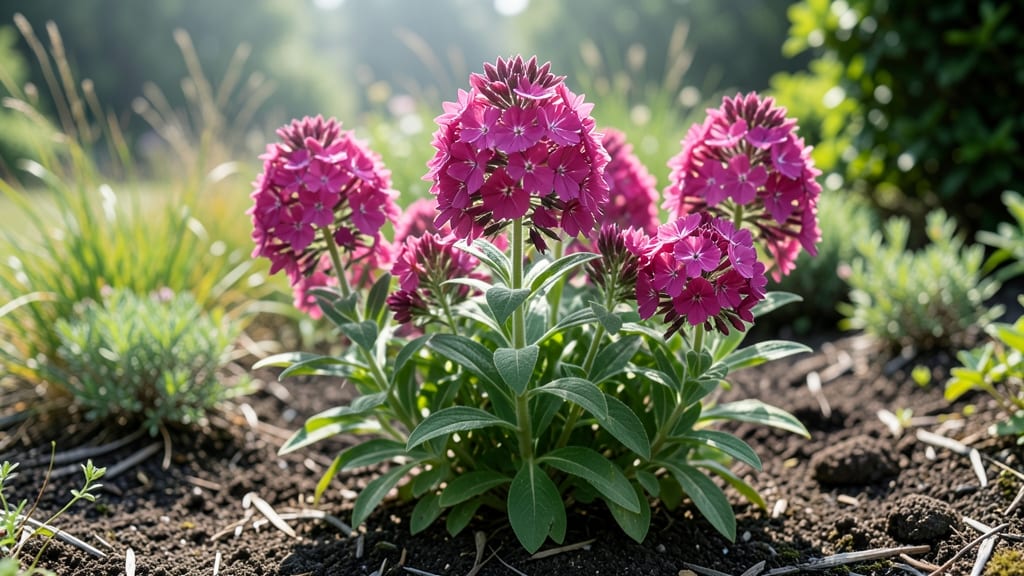
Garden phlox blooms in late spring to early fall, but the exact timing depends on heat triggers, variety, and your hardiness zone—meaning your local climate could shift those showstopping blooms by weeks.
If you’ve ever wondered why your garden phlox blooms late—or not at all—understanding its heat-triggered stages could transform your planting strategy. This vibrant perennial’s flowering cycle depends on temperature, variety, and even your hardiness zone, making timing everything for a showstopping display.
For example, Phlox paniculata 🌸 (the classic garden phlox) typically kicks off blooms when daytime temps hit 70°F+, while Phlox drummondii (annual phlox) may bloom earlier in warmer zones.
In cooler climates like Zone 6a, expect blooms to stretch from June through August, while Southern gardens might see them as early as May.
Below, I’ll break down how to align your planting with local heat triggers, which varieties bloom earliest, and 5 pro tips to extend that colorful show—so you’re not left waiting for your phlox to shine.
Heat-triggered bloom stages of garden phlox by variety
Garden phlox (Phlox paniculata and Phlox drummondii) thrives on heat cues, with each variety responding differently to temperature shifts. Understanding these heat-triggered bloom stages helps you select the right types for your hardiness zone and extend your garden’s color season.
For example, Phlox paniculata typically needs consistent 70°F+ temperatures to kickstart blooming, while Phlox drummondii may flower earlier in milder climates.
Timing is everything—planting too early or late can delay blooms until summer’s peak heat arrives. In Zones 3–5, expect paniculata to bloom in late July–August, while drummondii often flowers in early summer (June).
Southern gardens (Zones 7–9) may see both types bloom earlier, sometimes as early as late May.
Here’s how temperature thresholds and variety traits determine bloom windows:
Notice how Phlox paniculata requires the highest heat threshold, making it ideal for late-season color in cooler climates. Meanwhile, Phlox drummondii and subulata thrive in milder conditions, perfect for spring or early summer displays.
If you’re in Zone 7 or warmer, you can even mix varieties for a continuous bloom from May through September.
To maximize blooms, plant paniculata in full sun (6+ hours daily) and drummondii in partial shade to prevent heat stress. Mulch around the base to regulate soil temperature—this helps trigger blooming at the right time, especially in fluctuating spring temperatures.
Pro tip: Monitor your local 10-day forecast in late spring. If nighttime temps drop below 50°F, delay planting paniculata until after the last frost. This ensures the plant won’t waste energy on foliage growth instead of bud development.
For extended blooming, pair paniculata with drummondii—their staggered bloom times create a sequential color show. For example, plant ‘David’ (paniculata) alongside ‘Rainbow’ (drummondii) to transition from pink and purple in June to lavender and white in August.
Heat isn’t the only factor—soil moisture and fertilizer balance also play roles. Overwatering or excessive nitrogen can delay blooming, while balanced 10-10-10 fertilizer applied in early summer encourages robust flower stems. Aim for 1 tbsp per plant when buds form to avoid leafy growth at the expense of blooms.
🌸
How hardiness Zones delay or advance phlox bloom time
Your hardiness zone plays a surprisingly big role in when your garden phlox bursts into color. In Zones 7–9, Phlox paniculata often blooms as early as late June, while in Zones 3–5, the same variety might wait until August.
These differences come from heat triggers—phlox needs consistent warmth to kickstart its flowering cycle.
Understanding your zone helps you time plantings perfectly. For example, Phlox drummondii (annual phlox) thrives in warmer zones but may struggle in cooler climates. Meanwhile, Phlox subulata (creeping phlox) often blooms earlier in northern gardens because it tolerates cooler springs.
Here’s how your zone affects bloom timing—and what you can do to align plantings with local heat patterns:
| Hardiness Zone | Optimal Planting Time | Typical Bloom Window | Heat Trigger (°F) |
|---|---|---|---|
| Zones 3–5 | Early May | Late July–August | 65–70°F |
| Zones 6–7 | Late April–Early May | June–July | 70–75°F |
| Zones 8–9 | March–April | Late May–June | 75–80°F |
If you’re in Zones 8–9, plant Phlox paniculata in early spring to catch the heat wave that triggers blooms by late May. In Zones 3–5, wait until after your last frost—usually mid-May—to give roots time to establish before summer heat arrives.
This timing ensures your phlox gets the consistent warmth it needs to bloom reliably.
For Phlox drummondii, which loves heat, plant in late spring after soil warms to 60°F+. In cooler zones, consider starting seeds indoors 6–8 weeks before your last frost. This annual variety blooms faster once temperatures rise, making it ideal for Zones 7–10 where summers are long and hot.
Pro tip: Use mulch to regulate soil temperature. In hot zones, it keeps roots cool; in cooler zones, it traps warmth. Pair this with well-draining soil to prevent rot, and your phlox will reward you with vibrant blooms right on schedule.
Adjusting for your zone isn’t just about timing—it’s about creating the perfect conditions for your phlox to thrive.
🌸