
Blooming
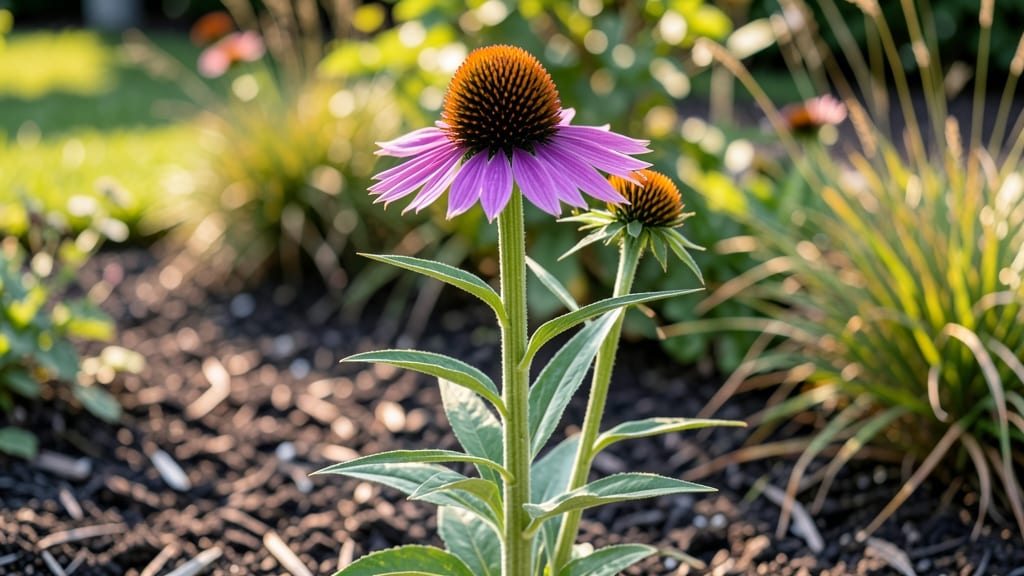
🌸 These summer-blooming perennial flowers thrive in heat, delivering bold colors from June through September with virtually no upkeep after their first year.
These hardy plants flourish because they've evolved deep root systems that access moisture and nutrients deep underground, plus waxy leaves that reduce water loss. 🌞 The key to their success lies in their ability to handle full sun exposure (6+ hours daily) and well-draining soil—both critical for summer survival.
I've found that once established, they often outperform annuals in both color intensity and longevity, making them my go-to choice for low-maintenance summer gardens.
What makes them particularly appealing is their resilience: many varieties continue blooming even when temperatures climb above 90°F, as long as they're given proper spacing (typically 18-24 inches apart) and occasional deep watering rather than frequent shallow watering.
The trade-off? Some may need light pruning after their peak bloom period to encourage a second flush of flowers later in the season.
💡 In This Article
- How Summer-Blooming Perennials Survive Heat and Drought
- Planting and Maintenance Guide for Summer Perennial Gardens
How summer-blooming perennials survive heat and drought
Summer-blooming perennials have evolved sophisticated survival strategies to thrive when temperatures soar. Their deep taproots can extend 3-5 feet underground, accessing moisture and nutrients that shallow-rooted annuals can't reach.
This is why varieties like black-eyed Susan (Rudbeckia) and coneflower (Echinacea) remain vibrant even during drought conditions—studies show their roots can penetrate 2-3 times deeper than most garden plants.
Their waxy leaf surfaces act like nature's sunscreen, reflecting up to 30% of sunlight while reducing water loss through transpiration. 🔥 For example, daylilies (Hemerocallis) have leaves coated with a cuticular wax layer that makes them feel slightly slick to the touch, similar to how a lotus leaf repels water.
These adaptations allow them to maintain moisture levels even when air temperatures exceed 90°F, making them ideal for hot climates like the Midwest or Southwest.
Heat-resistant pigments play a crucial role too. Many summer perennials produce anthocyanins—the same compounds that give red wine its color—which act as antioxidants protecting plant cells from heat damage.
This is why purple coneflowers often outperform their yellow counterparts in extreme heat: their deep purple hues contain up to 40% more anthocyanins than lighter varieties. These pigments also help regulate leaf temperature by absorbing excess heat.
Soil conditions matter just as much as the plants themselves. These perennials thrive in well-draining soil with a pH between 6.0-7.5, which prevents root rot while allowing oxygen to reach deep roots.
A 3-inch layer of organic mulch (like shredded bark) helps retain moisture while keeping roots cool—similar to how a well-insulated home maintains temperature. Without this protection, roots can overheat, leading to stunted growth or wilting.
Light requirements are equally critical. Most summer perennials need full sun (6+ hours daily) to trigger flowering, but some like shasta daisies can tolerate partial shade in hotter regions.
The key is balancing sun exposure with moisture retention—too much sun without proper watering leads to leaf scorch, while too little sun reduces flower production. For instance, blanket flowers (Gaillardia) bloom profusely in full sun but may struggle in shaded areas where their growth becomes leggy and sparse.
What most gardeners don't realize is how these plants self-regulate during heatwaves. Many enter a semi-dormant state, slowing metabolism to conserve energy—visible as slightly drooping leaves that perk up when temperatures drop.
This survival mechanism explains why they often bounce back after extreme heat without permanent damage, unlike many annuals that bolt or wilt irreparably. 💫