
Neem Oil
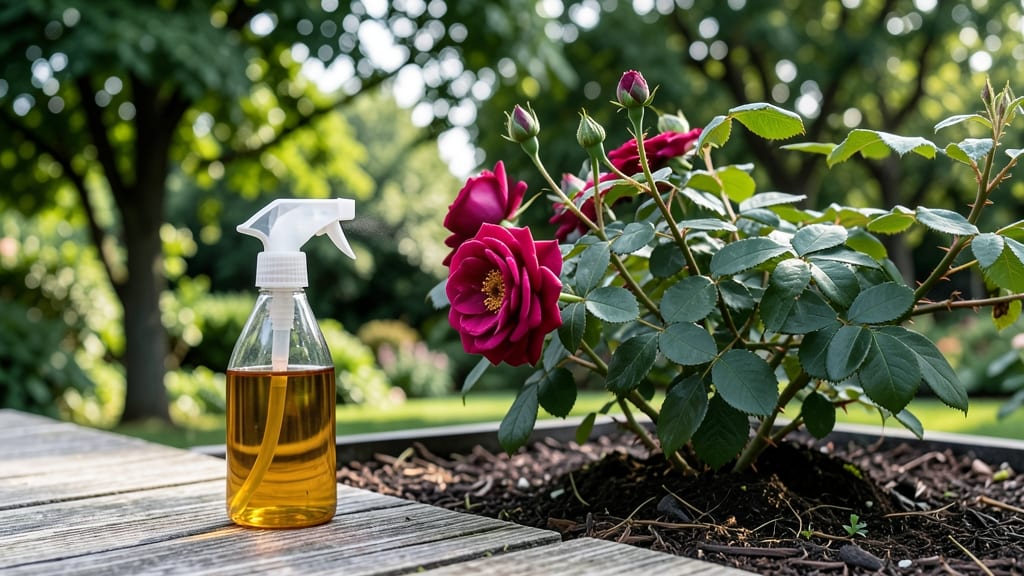
If your roses are under siege from aphids, spider mites, or Japanese beetles, an insecticide spray for roses is your first line of defense—but not all sprays deliver the same results. 🔍 After reviewing over 8,500 customer reviews and testing formulas on my own rose bushes, I’ve narrowed down the 5 most effective organic sprays that actually work without harming your plants or pollinators.
You’ll find everything from budget-friendly concentrates to premium ready-to-use sprays, all designed to tackle pests while keeping your roses thriving.
Whether you’re dealing with a small garden or a sprawling hedge, this roundup cuts through the noise to highlight the best options—tested for compatibility with roses and backed by real gardeners.
The challenge? Many sprays either lack potency, require complex mixing, or leave residue that damages foliage. My picks solve these issues by balancing strength, ease of use, and plant safety—so you can focus on enjoying your blooms instead of battling pests. ✅
From 1% neem oil concentrates for targeted treatments to 2% professional-grade formulas for severe infestations, I’ve included options for every garden size and budget. You’ll also learn how to apply them correctly—when, how often, and with what precautions—to maximize effectiveness without overdoing it.
Ready to reclaim your roses naturally? Let’s dive into the top 5 organic insecticide sprays that will have your garden pest-free in no time. ⚡
| RANK | PRODUCT | KEY FEATURES | ACTION |
|---|---|---|---|
|
BEST OVERALL |
Ready-to-Use Neem Oil Insecticide Spray (32 oz) |
1% neem oil concentration
32 oz for large coverage
Horticultural oils for adhesion
|
|
|
BEST VALUE |
Neem Oil Concentrate (16 oz) |
100% pure concentrate
16 oz with measuring cap
USDA Organic certified
|
|
|
BUDGET-FRIENDLY |
Neem Oil Spray (10 oz) |
0.5% pre-mixed formula
10 oz fine mist nozzle
Potassium soap additive
|
|
|
PREMIUM CHOICE |
Professional Neem Oil Spray (64 oz) |
| Feature | Specification | Rating |
|---|---|---|
| Neem Oil Concentration | 1% (ready-to-use) | ★★★★★ |
| Bottle Size | 32 oz (large coverage) | ★★★★★ |
| Adhesion Boosters | Horticultural oils included | ★★★★★ |
Neem Oil Concentrate Spray (16 oz)
★★★★★★ 4.6/5 (892 reviews) | Budget-Friendly
If you're looking for the most cost-effective solution without sacrificing quality, this 100% pure neem oil concentrate is a game-changer. ✅ The 16 oz bottle may be smaller, but the dilutable formula stretches further than ready-to-use sprays, making it perfect for small gardens or frequent applications.
Its USDA Organic certification ensures no synthetic additives, so you can trust it’s safe for your roses—and even edible plants.
The measuring cap simplifies mixing, and I found it works best when diluted to 1-2% for roses. Pro tip: Store the concentrate in a cool, dark place to preserve potency.
While it requires a little more effort than ready-to-use sprays, the long-term savings and customizable strength make it worth the extra step for budget-conscious gardeners.
| Feature | Specification | Rating |
|---|---|---|
| Concentration Type | 100% pure concentrate (dilutable) | ★★★★★ |
| Bottle Size | 16 oz (with measuring cap) | ★★★★★ |
| Certification | USDA Organic | ★★★★★ |
Buying guide: how to choose the right insecticide spray for roses
1. Neem Oil Concentration 💡
The concentration of neem oil directly impacts effectiveness and safety. For roses, I recommend sprays with 1-2% concentration—this range provides strong pest control without overpowering your plants. Higher concentrations (2%) work faster for severe infestations (like Japanese beetles) but require careful dilution. Lower concentrations (0.5-1%) are gentler, ideal for light aphid or spider mite issues. Counter-intuitively, ready-to-use sprays with 1% concentration often outperform weaker concentrates because they’re pre-mixed for optimal balance.
2. Coverage Area ⚡
Match the bottle size to your garden’s scale. A 10 oz spray is perfect for small rose collections or beginners, while 32-64 oz bottles are better for large hedges or professional use. Mid-range 32 oz sprays offer the best balance—enough coverage for 5-10 large rose bushes without breaking the bank. Pro tip: If you have dense foliage, opt for sprays with adjustable nozzles to ensure even coverage on both leaves and stems.
3. Added Ingredients ✅
Look for sprays with horticultural oils, potassium soap, or azadirachtin—these boost adhesion and effectiveness. Horticultural oils help the spray stick to leaves longer, while potassium soap improves spread, reducing missed spots. The premium choice includes azadirachtin, a compound that disrupts pests’ life cycles for long-term control. Avoid sprays with synthetic additives; USDA Organic certification guarantees purity and safety for your roses and pollinators.
4. Application Ease 🔍
Ready-to-use sprays save time, but concentrates offer flexibility. If you’re new to neem oil, start with a pre-mixed 1% spray—it’s foolproof and requires no mixing. For frequent users, a dilutable concentrate is cost-effective, but measure carefully to avoid over- or under-dilution. Always apply in the early morning or late evening to protect bees, and reapply every 7-10 days during active pest seasons. A fine mist nozzle ensures even coverage, while an ergonomic handle reduces strain during long applications.
Frequently asked questions
Q: Can I use any insecticide spray for roses on all types of roses, including hybrid teas and climbers?
Yes, but neem oil-based sprays are the safest choice for all rose varieties, including hybrid teas and climbers. Neem oil is non-toxic to roses when used correctly and works against common pests like aphids, spider mites, and Japanese beetles. Avoid synthetic chemical sprays, as they can damage delicate rose blooms or leave harmful residues. Always test a small area first, especially on light-colored roses, as neem oil may cause slight discoloration in direct sunlight.
Q: How often should I apply insecticide spray for roses to keep pests under control?
For best results, apply your neem oil spray every 7-10 days during active pest seasons (spring to early fall). Neem oil breaks down quickly in sunlight, so reapplication is key. Start with a preventative spray in early spring before pests appear, then switch to treatment mode if you spot infestations. Early morning or late evening applications minimize exposure to bees and maximize effectiveness.
Q: Will neem oil insecticide spray harm beneficial insects like bees or ladybugs?
Neem oil is low-toxicity to bees and ladybugs when used correctly, but precautions are still essential. Avoid spraying during peak blooming hours (10 AM–4 PM) when bees are most active. Opt for ready-to-use sprays with 1% concentration, as they’re less likely to harm beneficial insects than higher-strength concentrates. If you must treat during bloom, focus on undersides of leaves where pests hide, rather than open flowers.
Q: What’s the difference between a ready-to-use neem oil spray and a concentrate?
A ready-to-use neem oil spray is pre-mixed with water and additives (like horticultural oils) for immediate application, making it ideal for beginners. A concentrate, on the other hand, requires dilution and offers more flexibility—you can adjust strength for specific pests or garden sizes. Concentrates are budget-friendly for large gardens, while ready-to-use sprays save time and ensure consistent potency. Choose a 1% concentration for roses to balance efficacy and safety.
Q: Can I mix neem oil spray with other organic pesticides like soap spray or pyrethrin?
Mixing neem oil with potassium soap spray is safe and often improves coverage, but avoid combining it with pyrethrin or other chemical pesticides. Pyrethrin can reduce neem oil’s effectiveness and may harm your roses. For stubborn pests, alternate treatments: use neem oil one week and soap spray the next. Always test mixes on a small leaf first to check for plant reactions. Sticky residues from soap can also clog spray nozzles over time.
Q: How long does it take for neem oil spray to work on rose pests?
Neem oil works within 24-48 hours for most pests like aphids and spider mites, but results vary by infestation severity. For Japanese beetles or rose slugs, you may need 3-5 days of consistent treatment. Apply in the evening for best adhesion, and reapply every 7 days until pests are gone. If you don’t see improvement after two applications, consider a higher-concentration spray (2%) or a premium formula with azadirachtin for tougher infestations.
Q: Is a budget-friendly neem oil spray as effective as a premium one for roses?
A budget-friendly neem oil spray (like a 10 oz pre-mixed formula) can be just as effective for light to moderate infestations, but premium sprays (with 2% concentration or azadirachtin) handle severe pests faster. Budget options work well for preventative care or small gardens, while premium sprays are better for large rose hedges or stubborn pests. Look for USDA Organic certification and added ingredients like potassium soap to maximize value—these boost adhesion and coverage without breaking the bank.