
Diseases
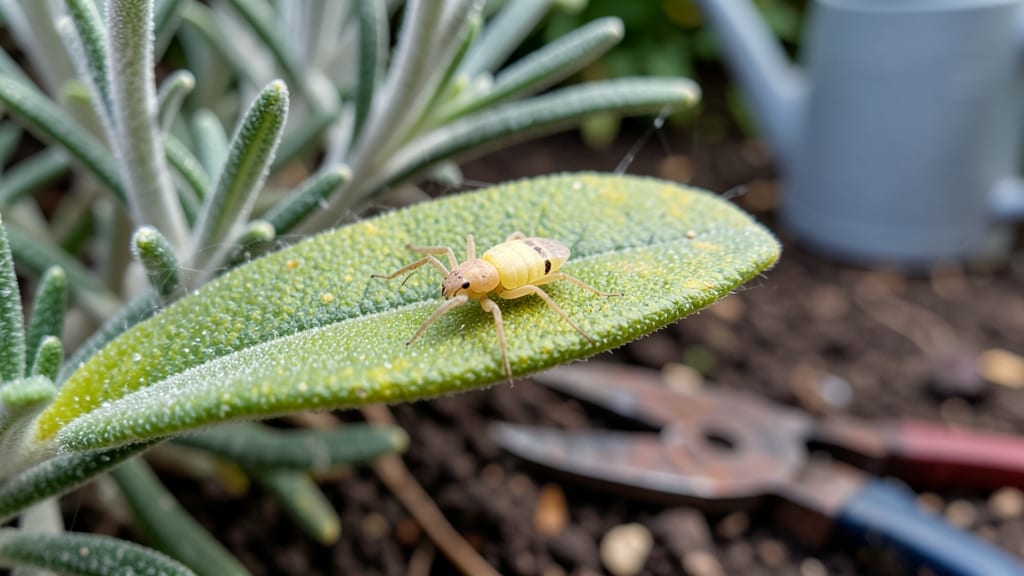
Check out these spider mite rosemary diseases pictures—then spot the webbing and speckled leaves on your plant, and act fast before the damage spreads.
I’ve battled these pests in my own rosemary bushes, and I’ll show you exactly how to spot them (and their telltale signs) before they ruin your harvest.
Spider mites thrive in dry conditions, leaving behind pale stippling on leaves and fine webbing between stems. But rosemary diseases like fungal leaf spot or root rot can mimic pest damage, so I’ll walk you through distinguishing between the two.
The good news? Both problems have simple, organic fixes that work within 2-3 weeks if you catch them early.
You’ll learn how to blast mites off with a strong spray, prune infected growth, and adjust your watering to make your rosemary less inviting to pests. The key is acting fast—once those webs appear, the mites are already multiplying.
With the right approach, your rosemary will bounce back with fresh, fragrant foliage in no time.
Whether you’re dealing with a full-blown infestation or just curious about prevention, this guide covers everything—from quick fixes to long-term strategies. No more guessing what’s wrong with your rosemary. Let’s get it healthy again.
Root Causes Of Rosemary Pests
Spider mites and rosemary diseases don’t appear out of thin air—they thrive when specific conditions align. Understanding why these pests and pathogens target your rosemary helps you disrupt their lifecycle before they take hold. Below, we break down the real culprits behind infestations and plant stress.
Rosemary is a hardy herb, but extreme or inconsistent conditions weaken its defenses, making it vulnerable to spider mites and fungal/bacterial diseases. Here’s how:
- Heatwaves & Low Humidity
Spider mites love dry, hot conditions because their tiny bodies lose moisture quickly.
When temperatures soar above 85°F (29°C), rosemary’s waxy leaves become less effective at trapping moisture, and the plant’s stress signals attract mites. Powdery mildew (a common rosemary disease) also thrives in these conditions, forming white, powdery patches on leaves.
Actionable fix: Increase airflow around plants and use shade cloth (30–50%) during peak sun to moderate temperatures.
- Poor Drainage & Overwatering
Rosemary roots hate soggy soil. When waterlogged, roots suffocate, leading to root rot (caused by Phytophthora or Fusarium fungi). Weak roots can’t support the plant, making it easier for spider mites to feed on stressed foliage. Leaf spot diseases also exploit wet leaves, creating dark, necrotic patches.
Actionable fix: Plant rosemary in well-draining soil (mix in perlite or sand) and water only when the top 1–2 inches of soil are dry.
- Sudden Temperature Swings
Rosemary prefers consistent warmth (60–80°F / 15–27°C). Cold snaps or drafts (like near AC vents) shock the plant, reducing chlorophyll production. This makes leaves less nutritious and more appealing to spider mites, which seek out easy meals.
Actionable fix: Move potted rosemary indoors during frost or place it in a sheltered spot (e.g., against a south-facing wall).
Spider mites don’t just appear—they multiply exponentially when given the right conditions. Here’s how infestations spiral:
- Lack of Natural Predators
In a healthy garden, predatory mites (like Phytoseiulus persimilis), lacewings, and ladybugs keep spider mite populations in check. But if you’ve used broad-spectrum pesticides (e.g., neonicotinoids), you’ve likely wiped out these allies, leaving mites to feast unchecked.
Actionable fix: Introduce beneficial insects or use horticultural oil (which targets mites but spares predators).
- Overcrowded Plants
Spider mites spread via wind, tools, or touching plants. If your rosemary is packed tightly with other herbs (especially susceptible ones like basil or lavender), mites hop from plant to plant like a tiny, eight-legged subway.
Actionable fix: Space rosemary 12–18 inches apart and inspect new plants before bringing them home (quarantine for 1–2 weeks).
- Dust & Debris Buildup
Dust on leaves blocks sunlight and creates a sticky film that spider mites adore. Their webbing traps dust, forming a protective blanket that makes sprays less effective. Additionally, fallen leaves or mulch near the base harbor fungal spores, increasing disease risk.
Actionable fix: Wipe leaves with a damp cloth monthly and remove debris around the base.
Just like humans, plants get sick when their immune system is compromised. For rosemary, these are the biggest health saboteurs:
| Factor | How It Weakens Rosemary | Spider Mite/Disease Link |
|---|---|---|
| Nutrient Deficiencies | Lack of phosphorus or potassium stunts growth, making leaves thinner and paler—a mite buffet. | Mites target soft, nutrient-rich new growth. |
| Over-Fertilization | Too much nitrogen promotes lush but weak foliage, which attracts spider mites and encourages fungal growth. | Excess salts from fertilizers burn roots, stressing the plant. |
| Pruning Stress | Aggressive pruning (e.g., cutting more than 1/3 of the plant) triggers shock, making rosemary susceptible to infections. | Open wounds from pruning are entry points for bacterial diseases like rosemary blight. |
Actionable fix: Use a balanced fertilizer (10-10-10) sparingly (once in early spring) and prune only in late winter/early spring to avoid stress.
💡 Pro Tip: Healthy rosemary is your best defense! Mulch with gravel (rosemary hates wet feet) and rotate crops if growing in containers to prevent soil-borne diseases from building up.
Quick Fixes for Rosemary Pests
Spider mites and rosemary diseases can feel like a losing battle—until you know the right moves! Below, we break down practical, step-by-step solutions tailored to each cause, from quick fixes to long-term prevention. No fancy tools required; just smart action.
Spider mites are sneaky, but you can outsmart them with targeted, eco-friendly tactics.
💦 Step 1: Knock Them Off with Water
Spider mites hate humidity—they dry out fast.
Give your rosemary a strong blast of water (not just a mist) to dislodge them. - How to do it: Use a hose or spray bottle and hit both sides of the leaves at close range. - Best time: Early morning or late evening (avoid scorching leaves in direct sun). - Pro tip: 🌡️ Add a drop of mild dish soap (like Castile soap) to 1 quart of water for extra stickiness—it suffocates them on contact.
🍳 Step 2: Neem Oil Spray (The Ultimate Repellent)
Neem oil is a natural insecticide that disrupts spider mites’ life cycle.
It’s safe for plants (and pets!) when used correctly. - Recipe: - 1 tbsp neem oil - 1 tsp mild liquid soap (helps it stick) - 1 quart water - Mix well and shake before each use. - How to apply: Spray thoroughly (top and bottom of leaves) every 5–7 days until mites vanish. - Warning: 🌿 Test on a small leaf first—some rosemary varieties are sensitive.
👨🍳 Step 3: Introduce Natural Predators
Ladybugs, lacewings, and predatory mites love eating spider mites.
Buy them online or attract them naturally: - How to attract them: - Plant dill, fennel, or marigolds nearby (they love these flowers). - Avoid chemical pesticides—they’ll kill the good bugs too! - Where to buy: Check local garden centers or online (e.g., Arborjet or Garden Safe).
⏰ Step 4: Quarantine & Monitor
- Isolate infected rosemary for 2 weeks to prevent spreading.
- Check daily under leaves with a magnifying glass (mites are tiny—yellow/red specks = bad news).
- Prune heavily infested leaves and dispose of them in sealed bags (not compost).
Rosemary diseases (like powdery mildew or root rot) need different care—focus on airflow, soil health, and early action.
🌡️ Fix Powdery Mildew (White Fuzzy Coating)
This fungus thrives in humid, shady conditions.
Break the cycle with: - 💡 Increase airflow: Space plants 6–12 inches apart and prune for better sunlight. - 🍎 Baking soda spray: Mix 1 tsp baking soda + 1 tsp oil + 1 gallon water + a drop of soap.
Spray every 7–10 days. - 🔪 Remove infected stems (don’t compost them—bag and trash). - Prevention: 🌞 Water at the base (not leaves) and avoid overhead sprinklers.
💪 Root Rot Rescue (Mushy Stems & Yellow Leaves) Too much water = root rot.
Act fast! - 🚰 Stop watering immediately and let soil dry out. - 🔪 Trim blackened roots with sterilized scissors (dip in rubbing alcohol). - 🌱 Repot in fresh, dry soil with good drainage (add perlite or sand). - 🌿 Move to a sunnier spot—rosemary hates soggy feet.
✨ Prevent Future Diseases
- 🌱 Choose disease-resistant varieties (e.g., ‘Rosemary Prostratus’).
- 🌡️ Water deeply but infrequently—rosemary prefers drought-like conditions.
- 🧼 Sterilize tools (pruners, pots) with rubbing alcohol between plants.
- 🍂 Clean up debris—fallen leaves = fungus hotels.
- 🔥 Rotate treatments (don’t rely on just one method—mix water sprays, neem oil, and predators).
- 🌿 Inspect new plants before bringing them home (quarantine for 2 weeks).
- 📊 Keep a plant journal—note when mites/diseases appear to spot patterns (e.g., after rain, overwatering).
- 🚫 Avoid broad-spectrum pesticides—they kill beneficial insects and weaken rosemary.
With these simple, science-backed steps, your rosemary will bounce back—stronger, healthier, and mite-free! 🌿💚
Frequently asked questions
What do spider mite damage on rosemary look like in pictures?
Spider mite damage appears as tiny yellow or white speckles on rosemary leaves, often concentrated on the undersides. Look for fine silver or gray webbing between stems or leaves—this is their signature sign. Use a magnifying glass to spot the mites themselves (tiny red/yellow dots). For visuals, search "spider mite infestation close-up" to compare with your plant.
How can I tell if my rosemary has spider mites vs. a disease?
Spider mites create stippling (speckled damage) and webbing, while diseases like powdery mildew show white fuzzy patches or leaf spot diseases produce dark, water-soaked spots. Check leaf undersides for mites and examine stems for webbing—diseases rarely appear there. Root rot shows yellowing leaves and mushy stems when pulled gently.
Will neem oil kill rosemary plants if used too often?
Neem oil is safe when used correctly, but applying it more than every 5–7 days can stress rosemary. Always dilute it properly (1 tbsp neem oil + 1 tsp soap per quart of water) and test on a small leaf first. Overuse may cause leaf burn, so rotate treatments with water blasts or insecticidal soap for variety.
Can I save my rosemary if it's already heavily infested with mites?
Yes, but act fast! Prune all heavily infested leaves (don't compost them) and treat with neem oil or horticultural oil. Isolate the plant for 2 weeks and monitor daily. With consistent care, rosemary is resilient—just remove the worst damage first to prevent spread to other plants.
Why do spider mites keep coming back even after treatment?
Mites often return due to favorable conditions like dry heat or poor airflow. After treatment, increase humidity (mist leaves occasionally) and improve airflow by spacing plants properly. Check for hidden infestations on nearby plants—mites spread quickly! Also, avoid overwatering, which stresses rosemary and makes it more vulnerable.