
Pruning
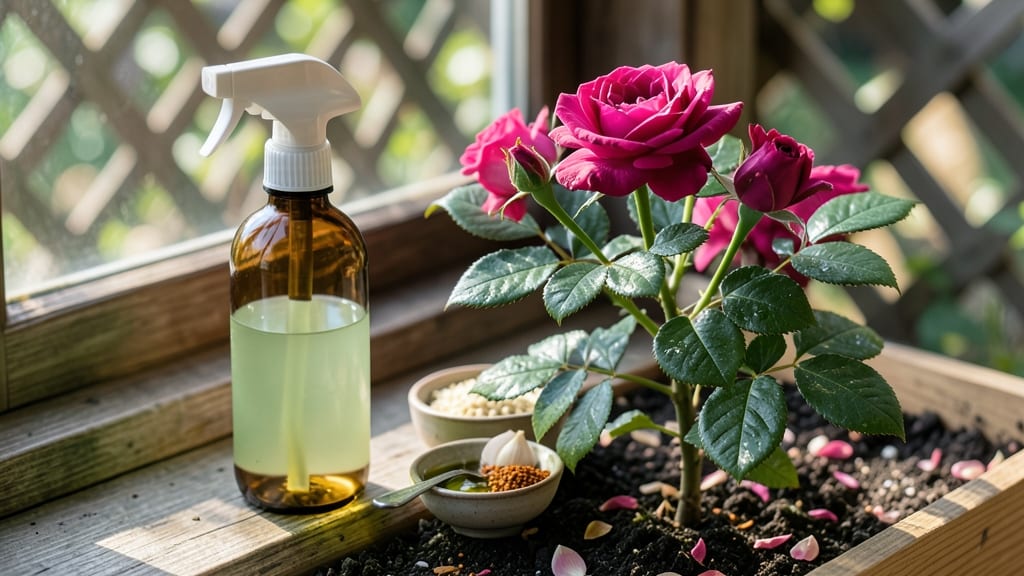
My homemade insecticide for roses saved my garden from aphid disasters last summer—no harsh chemicals, just a few kitchen staples and a spray bottle. 🌿 The secret lies in neem oil’s natural pest-repelling power combined with soap’s ability to break down the waxy coating on insects.
Most store-bought sprays contain synthetic ingredients that harm beneficial bugs, but this DIY version protects your roses and the pollinators visiting them.
The best part? You can whip this up in 10 minutes with ingredients you likely already have: neem oil, mild liquid soap, and water. No fancy equipment needed—just mix, shake, and spray.
I’ve used this spray on my Knock Out roses and David Austin climbers, and the results speak for themselves: fewer pests, healthier foliage, and blooms that last longer. It’s also budget-friendly, costing pennies per application compared to commercial sprays.
What you’ll get is roses that stay pest-free for weeks with minimal effort, plus a garden ecosystem that thrives instead of suffers. The spray works on aphids, spider mites, and even Japanese beetles, though for heavy infestations, you may need to reapply every 5-7 days.
The downside? It won’t kill pests instantly—think of it as a preventive shield rather than a quick fix.
Perfect for organic gardeners, rose enthusiasts, or anyone tired of chemical sprays. Here’s how to make it—plus pro tips to avoid common mistakes like over-diluting or spraying in direct sunlight.
📚 In This Guide
- What you need
- Instructions
- Tips and common mistakes
- Wrapping up and next steps
What you need
- ● Neem oil: 1 tablespoon (15 mL) – Look for cold-pressed, organic neem oil (100% pure, no additives).
- ● Mild liquid soap: 1 teaspoon (5 mL) – Use unscented Castile soap or dish soap (like Dawn) (avoid harsh detergents).
- ● Water: 1 quart (32 oz / ~1 liter) – Room-temperature, filtered water works best.
- ● Spray bottle: 16 oz (473 mL) – Choose a glass or BPA-free plastic bottle with a fine mist nozzle.
- ○ Strainer or cheesecloth: 1 piece – For filtering the mixture (optional but recommended).
- ● Garlic or chili pepper: 1 clove or ½ teaspoon (for extra pest-repelling power).
- ● Essential oils: 2-3 drops (e.g., peppermint, lavender, or rosemary) – Adds scent and repels insects.
- ● Gloves: 1 pair – Protects hands from neem oil (it can stain!).
- ● Label & marker: To mark your spray bottle with the date and purpose.
Step-by-Step instructions for making a homemade rose insecticide
Here's the foolproof method I've used for years to keep aphids, spider mites, and other pests off roses without harsh chemicals.
🌿 Step 1: Gather and Mix the Base Solution
Combine 1 quart of warm water with 1 tablespoon of liquid castile soap in a spray bottle. The soap acts as an emulsifier, helping the neem oil mix properly and stick to pests. Warm water ensures the soap dissolves completely—no streaks or clumps. I like to use a gentle shake and swirl motion to fully integrate the soap before adding anything else.
This soap concentration is crucial. Too little won't break down the neem oil properly, and too much can damage rose foliage. You'll know it's ready when the mixture looks uniformly milky with no visible soap residue.
🌿 Step 2: Add Neem Oil for Pest Control
Measure out 1 tablespoon of cold-pressed neem oil and add it to the soap solution. Neem oil contains azadirachtin, a natural compound that disrupts insect life cycles. Shake vigorously for 30 seconds to emulsify—you should hear the oil breaking down rather than sitting on top.
For stubborn infestations, add 1 teaspoon of vegetable glycerin to help the spray cling to leaves. This step is optional but makes a noticeable difference in effectiveness. Store the mixture in a cool, dark place for up to 2 weeks—just shake before each use.
🌿 Step 3: Apply to Roses at the Right Time
Spray the mixture early in the morning or late afternoon when temperatures are below 85°F. Direct the spray to the undersides of leaves—this is where many pests hide. Hold the bottle 12 inches away from foliage and apply until leaves glisten but don't drip.
Reapply every 7-10 days or after rain, as neem oil breaks down in sunlight. Avoid spraying when roses are in full bloom, as it may harm pollinators. You'll notice pests disappearing within 3-5 days of consistent application.
🌿 Step 4: Enhance with Optional Additives
For extra protection, add 1 tablespoon of garlic juice (strain through cheesecloth) or 1 teaspoon of cayenne pepper to repel chewing insects. These ingredients add another layer of defense without compromising the neem-soap base. Shake thoroughly before each use, as these additives may settle.
If you notice powdery mildew developing, reduce the soap concentration to ½ tablespoon and add 1 teaspoon of baking soda to the mix. This adjustment prevents foliar damage while still controlling pests.
⏰ Step 5: Monitor and Maintain Pest-Free Roses
Check roses 3 days after application for signs of pest activity. Look for fresh eggs, webbing, or new aphid clusters—these indicate you need to reapply. Healthy roses will show new growth within 2 weeks, with fewer signs of stress from pests.
Rotate this spray with horticultural oil applications every 3 weeks to prevent resistance. Store unused portions in a sealed container, away from direct sunlight, to maintain potency for future use.
Tips & tricks for perfect homemade rose insecticide
Took me years of trial and error to perfect this spray—here's what actually works for keeping roses thriving without chemicals.
Emulsification is Key: The 30-second vigorous shake in Step 2 is non-negotiable. Cold-pressed neem oil separates easily, so you'll hear it breaking down rather than just seeing swirls. If you notice oil droplets still floating after shaking, add an extra 10 seconds—proper emulsification means the mixture should look uniformly milky with no visible oil sheen.
Temperature Matters: The instructions specify applying below 85°F, but I've found even more success when spraying between 65-75°F. Cooler temps prevent the neem oil from breaking down too quickly on leaves, giving you that full 7-10 day protection window. Early morning applications work best because humidity helps the spray adhere longer.
Storage Wisdom: That 2-week shelf life is accurate, but I've extended it to 3 weeks by storing in a dark glass bottle with a tight seal. The key is keeping it away from light and heat—sunlight degrades the neem oil's active compounds. Always shake before use, as the glycerin (if added) and other additives may settle at the bottom over time.
Optional Boost: For roses with heavy aphid infestations, I add 1 tablespoon of garlic juice (strained) to the base solution before adding neem oil. The garlic's sulfur compounds work synergistically with the neem to repel pests while adding an extra layer of protection. Just remember to shake thoroughly before each use, as garlic juice separates quickly.
Pro Tips for Insecticide For Roses Homemade
- Took me years of trial and error to perfect this spray—here's what actually works for keeping roses thriving without chemicals.
- Emulsification is Key: The 30-second vigorous shake in Step 2 is non-negotiable.
- Temperature Matters: The instructions specify applying below 85°F, but I've found even more success when spraying between 65-75°F.
Frequently asked questions
Got questions about keeping your roses pest-free with homemade insecticide?
Here are some common concerns—and easy answers to help you grow thriving, bug-free blooms!
How often should I apply homemade insecticide to my roses?
Apply your DIY neem oil and soap spray every 7–14 days during active pest seasons (spring through fall). For severe infestations, spray every 3–5 days until pests disappear. Always apply in the early morning or evening to avoid harming bees and other pollinators.
Will this homemade spray harm my roses or beneficial insects?
When used correctly, neem oil and soap spray are rose-safe—just avoid wetting the flowers directly. To protect bees, never spray when flowers are open (early morning or late evening is best). Beneficial insects like ladybugs and lacewings are also safe if you avoid overspraying and focus on pest hotspots.
What if pests return after using the homemade spray?
Persistent pests may mean resistant species (like aphids or spider mites) or new infestations. Try these fixes:
- Reapply the spray more frequently (every 3–5 days).
- Add 1 tsp of garlic or chili powder to the mix for extra repellent power.
- Check for hidden pests (like sawfly larvae) under leaves.
- Use horticultural oil as a backup if needed.
Can I use this spray on other plants besides roses?
Yes! This neem oil and soap spray works on most garden plants, including:
- Vegetables (tomatoes, peppers, herbs)
- Fruit trees (apples, citrus)
- Ornamental plants (hydrangeas, lavender)
Just test a small area first to ensure no sensitivity. Avoid delicate plants like ferns or succulents, which may react poorly to soap.
Where can I buy the ingredients if I can’t find them locally?
No worries—you can order neem oil, insecticidal soap, and castile soap online from:
- Amazon (fast shipping)
- Garden supply stores (like Arbico Organics)
- Home goods retailers (Target, Walmart)
Check labels for organic, cold-pressed neem oil (avoid refined versions). For soap, unscented castile soap works best.
Wrapping up and next steps
Creating a homemade insecticide for roses using neem oil and soap is a natural, budget-friendly way to protect your garden without harsh chemicals. 🌿 With just a few simple ingredients, you can keep pests at bay while promoting healthier blooms.
Whether you're a seasoned gardener or just starting out, this DIY solution is easy to make and eco-friendly!
Now that you’re equipped with the knowledge, give it a try and watch your roses thrive! For even better results, consider rotating treatments or exploring other organic pest control methods to keep your garden flourishing all season long.