
Fertilization
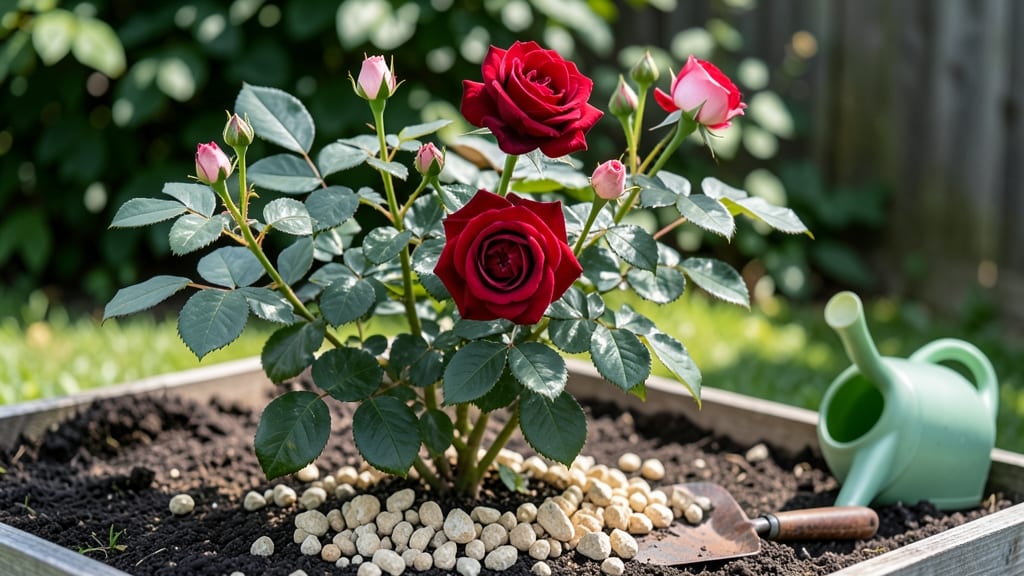
Using bone meal for rose bushes boosts phosphorus levels for stunning blooms and robust root systems, with the best results from 1-2 tablespoons per plant in early spring or after pruning. Gently mix it into the top 2-3 inches of soil while keeping it away from stems.
Bone meal works its magic by delivering phosphorus—the nutrient roses crave for energy transfer and flower production.
Unlike nitrogen-heavy fertilizers, it targets root development and bloom intensity, making it a game-changer for show-stopping gardens. 🌹 I've seen roses go from sparse blooms to lush, vibrant displays within a season when using bone meal correctly.
The key is timing—spring application gives roots time to absorb nutrients before summer's heat, while post-pruning use helps plants recover and prepare for next year's growth.
For best results, pair bone meal with a balanced fertilizer to avoid overloading plants with phosphorus. Too much can lead to leaf burn or stunted growth, so always follow the 1-2 tablespoon rule.
Established roses benefit from annual applications, while new plants may need a lighter touch. Think of it as a bloom-boosting powerhouse when used strategically!
💡 In This Article
- How Bone Meal Enhances Rose Growth and Flower Production
- Step-by-Step Guide to Applying Bone Meal for Maximum Rose Blooms
How bone meal enhances rose growth and flower production
Bone meal works its magic by delivering phosphorus in a form roses can absorb quickly. This nutrient plays a critical role in energy transfer within plant cells, particularly during the ATP (adenosine triphosphate) production process that fuels flower development.
Unlike nitrogen, which promotes leafy growth, phosphorus strengthens roots and stimulates blooming. Studies show roses with adequate phosphorus produce 20-30% more flowers than those deficient in this nutrient. The phosphorus in bone meal also helps stabilize plant membranes, improving drought resistance during hot summer months.
The key difference between bone meal and other fertilizers lies in its phosphorus-to-nitrogen ratio. Bone meal typically contains 3-4% nitrogen, 12-15% phosphorus, and 0% potassium, creating a 1-3-0 NPK ratio that contrasts sharply with balanced synthetic fertilizers (like 10-10-10) or compost (which has minimal available phosphorus).
This high phosphorus concentration makes bone meal ideal for bloom-heavy periods, while its organic form releases nutrients slowly, preventing sudden spikes that could burn roots. The granular texture also allows for precise application compared to powdered fertilizers.
Timing matters because phosphorus absorption peaks when roots are actively growing. In early spring, when soil temperatures reach 55-60°F, rose roots become more active, making them primed to absorb bone meal's nutrients. Post-pruning application works similarly—removing old growth stimulates new root development, creating a perfect window for phosphorus uptake.
Fall applications are less effective because cooler temperatures slow root activity, though light applications can still benefit established plants preparing for winter dormancy.
What most gardeners don't realize is how bone meal's calcium content (about 20-25%) complements phosphorus benefits. Calcium strengthens cell walls, reducing blossom end rot in developing buds—a common issue in phosphorus-deficient roses.
The combination creates a synergistic effect: stronger roots anchor plants better, while improved calcium uptake prevents flower drop. This dual-action makes bone meal more effective than phosphorus-only fertilizers for roses.
For visual results, compare a rose bush treated with bone meal to one without. You'll notice darker green foliage (indicating healthy root systems) and larger, more vibrant blooms that last longer on the stem.
The phosphorus also accelerates recovery after flowering, helping plants prepare for next season's growth cycle. Think of it as giving your roses a high-performance fuel injection for their blooming engine!
One advanced consideration: bone meal's slow-release nature means overapplication can lead to phosphorus buildup in soil. Test your soil's phosphorus levels annually using a home kit (aim for 20-40 ppm in the top 6 inches).
If levels exceed this range, reduce bone meal applications or pair with phosphorus-absorbing plants like clover to balance the soil ecosystem.