
Blooming
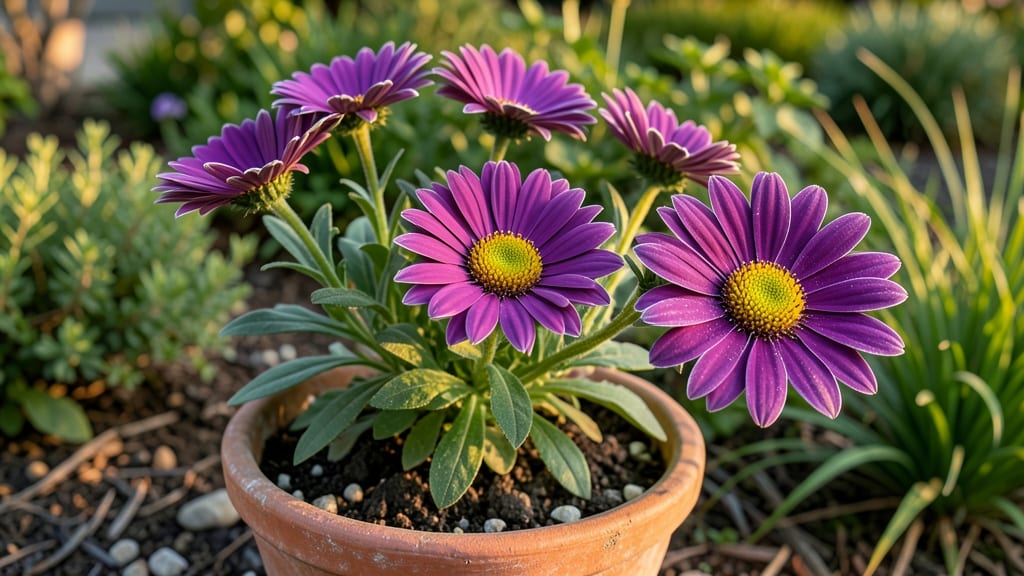
African daisies bloom in late spring through summer 🌼 when temperatures consistently hit 70-85°F, but timing varies by region and care.
If your African daisies are refusing to bloom despite your best efforts, the secret likely lies in their heat-triggered growth cycle—and how you handle unexpected frost. In USDA Zone 6a, they typically kick off blooms in June, but a late spring frost can delay or stifle them entirely.
These sun-loving flowers need full sun exposure (6+ hours daily) and well-draining soil to thrive. Without the right conditions, they may produce foliage but skip the vibrant blooms you’re after.
Below, I’ll break down the exact bloom stages, how to extend their season, and the 3 key tricks to revive them after frost—so you can enjoy their cheerful faces from June through September.
African daisy bloom time: heat-triggered stages explained
African daisies (Osteospermum) are famous for their vibrant blooms, but their flowering cycle is tightly controlled by temperature fluctuations. Unlike many flowers that bloom on a seasonal schedule, African daisies rely on heat triggers—particularly 70-85°F ranges—to kickstart their three distinct bloom stages.
If your plants seem stuck in one phase, it’s often because they’re waiting for the right thermal cues.
Understanding these heat-triggered stages helps you predict bloom times and troubleshoot delays. In USDA zones 8-11, for example, African daisies typically enter bud formation as early as late spring, peak bloom in summer, and prepare for dormancy by early fall.
But in cooler zones, like zone 7, the cycle may shift weeks later—or stall entirely if frost interrupts it.
The first stage, bud formation, begins when soil temperatures consistently reach 65°F and air temperatures hit 70°F. This is when you’ll notice small green buds forming at the stem tips.
If temperatures dip below 60°F for more than a few days, bud development can halt, leaving you with unopened flowers that never mature.
During peak bloom (stage two), African daisies thrive in 80-85°F conditions, producing 3-5 inches wide flowers that last 7-10 days per bloom. This is also when they’re most sensitive to water stress—underwatering can cause buds to drop, while overwatering may lead to fungal issues.
The key is maintaining even moisture without soggy soil.
| Stage | Temperature Trigger | USDA Zone Timing | Key Actions |
|---|---|---|---|
| Bud Formation | 65°F+ soil / 70°F+ air | Zones 8-11: Late April–May Zones 7: Early June |
Deadhead spent blooms, fertilize lightly (10-10-10) |
| Peak Bloom | 80–85°F consistent | Zones 8-11: June–August Zones 7: July–September |
Water deeply 2x/week, prune leggy stems |
| Dormancy Prep | Below 60°F for 3+ days | Zones 8-11: September–October Zones 7: October–November |
Reduce watering, add 2" mulch, protect from frost |
The third and final stage is dormancy preparation, triggered when nighttime temperatures drop below 60°F for 3+ consecutive days. This is when African daisies shift focus from blooming to root and stem hardening.
In USDA zone 11, this might happen as early as September, while in zone 8, it could stretch into November.
If you’re in a transitional zone (7-8), unexpected frost can disrupt dormancy. A hard freeze (28°F or lower) will kill the above-ground growth, but the roots often survive.
The secret to recovery is acting fast: cut back dead foliage, mulch heavily, and wait for soil to warm to 60°F before resuming care.
To accelerate bloom time, focus on microclimate control. Plant African daisies near south-facing walls or use cloche covers to trap heat. In containers, choose dark-colored pots to absorb sunlight and raise temperatures by 5-10°F.
Avoid overhead watering during peak heat—it cools the plant too quickly and stresses buds.
One common mistake is assuming African daisies bloom only once per season. In reality, they’re repeat bloomers if you deadhead spent flowers and maintain consistent heat exposure. Varieties like 'Blue Ribbon' or 'Pink Velour' can produce continuous blooms for 3-4 months if conditions are ideal.
For gardeners in USDA zone 9-10, the bloom window can extend into early winter if protected from cold snaps. Use row covers or move potted plants to sheltered spots. Even a 10°F drop can delay blooming by 2-3 weeks, so monitoring your local heat degree days is key.
Remember: African daisies won’t bloom without heat. If your garden stays below 70°F for long periods, consider growing them in containers you can move or pair them with warm-season companions like zinnia or marigold to create a microclimate.
With the right temperature cues, your African daisies will reward you with months of color—not just a single burst.
How to extend African daisy bloom time with frost recovery tricks
African daisies (Osteospermum) thrive in warm weather but can suffer severe damage when temperatures dip below 40°F. A sudden frost can halt blooming, causing buds to blacken and leaves to wilt. The good news?
With the right frost recovery tricks, you can revive your plants and extend their bloom time by weeks. Let’s explore how to protect and recover African daisies in USDA zones 7-11.
First, understand that African daisies are semi-hardy annuals—they can tolerate brief cold snaps but struggle with prolonged frost. In zone 7, temperatures below 32°F will damage foliage, while zones 8-11 face risks when dipping below 40°F. Acting quickly is key to saving buds and encouraging regrowth.
⚠️ Frost Warning: Critical Temperature Thresholds
Zone 7: Frost below 32°F = bud death in 24 hours. Zone 8-9: Below 40°F = leaf damage; below 35°F = stem damage. Zone 10-11: Rare frost (38°F) can still stunt blooming.
Action: Cover plants immediately if frost is forecasted. Use row covers or cloches to raise temps by 5-10°F.
Start with protective mulching before frost hits. Apply a 3-inch layer of straw or pine needles around the base of your African daisies. This insulates roots and keeps soil temperatures 5°F warmer than exposed ground.
For potted plants, move them to a sheltered location like a garage or under a porch, ensuring they’re out of direct wind.
If frost has already damaged your plants, focus on post-frost recovery. Trim away blackened leaves and buds with clean, sharp shears to prevent disease. Water deeply at the soil line (not overhead) to rehydrate roots.
Avoid fertilizing for 2-3 weeks—let the plant redirect energy to regrowth instead of foliage.
To encourage reblooming, prune back 1/3 of the plant’s height after new growth appears. This stimulates bushier growth and more flower buds. African daisies respond well to deadheading—remove spent blooms to redirect energy to new flowers.
In zone 7, expect a 4-6 week delay in reblooming, while zones 8-11 may recover in 2-3 weeks.
For long-term frost protection, consider season-extending tools like frost blankets or mini greenhouses. These can add 10-14 days to your bloom season by shielding plants from late-season chills. Pair this with evening watering (before 8 PM) to raise soil moisture and help plants retain heat overnight.
With these frost recovery tricks, your African daisies can bounce back stronger than ever. Monitor weather forecasts closely, and don’t hesitate to act fast—your garden’s bloom time depends on it! 🌼