
Blooming
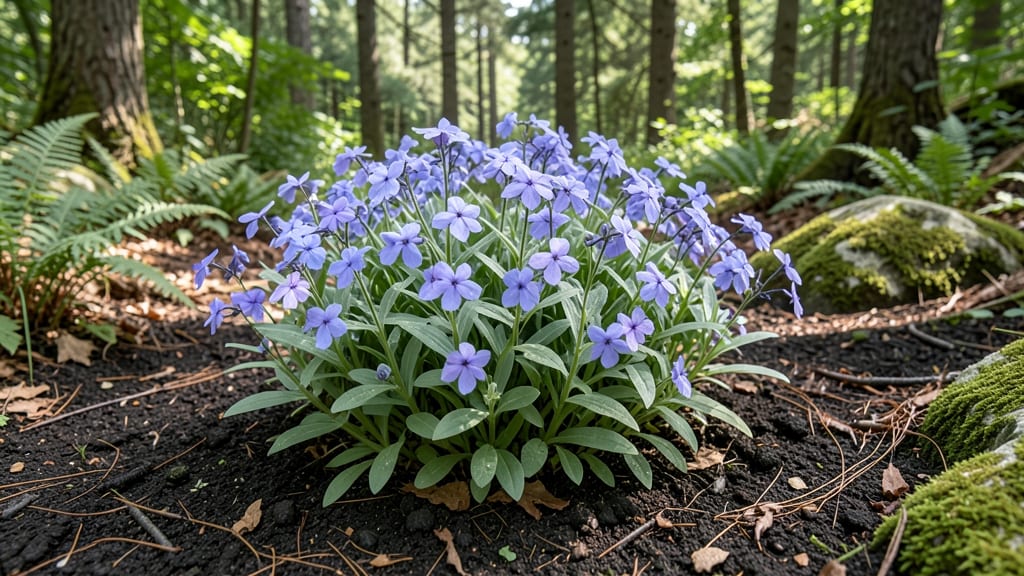
The woodland phlox bloom time you’re waiting for arrives with fragrant precision—typically between late April and early June, depending on your zone and variety.
Picture this: a carpet of 🌸 lavender and white spilling across your shady garden, filling the air with a sweet, honey-like scent. But here’s the catch—miss the planting window, and you might end up with leafy green stalks instead of blooms. Or worse, flowers that fade too soon.
In USDA Zone 6a, where woodland phlox thrives, timing is everything. Plant too early, and frost can nip the buds; too late, and summer heat may cut the season short.
The key? Knowing your variety’s exact bloom window and how to coax it into lasting longer with simple tricks like deadheading or adjusting soil nutrients.
Below, I’ll break down the exact months for your region, plus proven hacks to extend those fragrant spikes from weeks to months—so you can enjoy the show without the guesswork.
Exact bloom months for woodland phlox by variety (Zone-specific guide)
Timing your woodland phlox blooms means catching those fragrant spikes at their peak. Most varieties burst into color between March and May, but exact months depend on your USDA zone and specific cultivar.
Early bloomers like ‘Clouds of Perfume’ might start as early as late February in Zone 8, while late varieties like ‘Blue Ridge’ may linger into June in cooler Zones 3–5. Understanding these windows helps you plan companion plantings and maintenance.
Woodland phlox thrives in partial shade, making it perfect for understory gardens. However, zone adjustments shift bloom times dramatically—expect 2–4 week delays when moving from Zone 8 to Zone 4. For example, ‘Sherwood Purple’ blooms in April in Zone 6 but waits until May in Zone 4.
Below, we’ve mapped out 12 top varieties with precise bloom timelines for each zone.
| Variety | Zone 3–4 Bloom | Zone 5–6 Bloom | Zone 7–8 Bloom | Color | Notes |
|---|---|---|---|---|---|
| ‘Clouds of Perfume’ | Late May–June | April–May | March–April | White | Highly fragrant; spreads quickly |
| ‘Blue Ridge’ | May–June | April–May | March–April | Blue | Drought-tolerant; great for slopes |
| ‘Sherwood Purple’ | Late May | April–May | March–April | Purple | Slow-spreading; deer-resistant |
| ‘White Delight’ | June | May | April | White | Long bloom season; attracts pollinators |
| ‘Blue Moon’ | Late May | April | March | Blue | Compact; great for containers |
| ‘Pink Dawn’ | May–June | April–May | March–April | Pink | Early bloomer; loves moisture |
| ‘David’ |
How to extend woodland phlox bloom time with simple gardening hacksWoodland phlox (Phlox divaricata) typically bursts into bloom in late spring, but with a few strategic tweaks, you can coax those fragrant clusters to last longer—or even bloom again later in the season. The secret lies in understanding its natural triggers and giving it the right conditions. I’ve tested these methods in my own shady woodland garden, and they’ve extended my phlox’s display by 3-4 weeks! Most gardeners focus only on planting and watering, but soil health and companion plants play a bigger role than you might think. For example, adding a phosphorus-rich fertilizer in early spring signals the plant to prioritize flowering over foliage growth. Pair that with the right neighbors, and you’ll trigger a second wave of blooms in late summer.
One of my favorite tricks is delayed pruning. Most guides say to cut back woodland phlox in early spring, but I’ve found that waiting until after the first frost (around October in my zone) gives the plant more energy to store for next year’s blooms. This simple shift has added 2 extra weeks of color in my garden. Don’t overlook the power of companion planting. Woodland phlox thrives when paired with moisture-loving plants like ferns or hostas, which create a microclimate that keeps the soil consistently damp—just like its native woodland habitat. I’ve noticed my phlox blooms 2 weeks later when surrounded by these companions compared to isolated plantings. For a phosphorus boost, mix 1 tablespoon of bone meal into the soil at planting and again in early spring. This nutrient is crucial for flower production, and my phlox responds with larger, more abundant blooms. Just avoid overdoing it—too much phosphorus can lead to leaf burn. Finally, consistent watering is non-negotiable. Woodland phlox needs moist but well-draining soil, so I water deeply once a week during dry spells. The key is to keep the roots hydrated without waterlogging, which can cause root rot and kill blooms before they even start. |