
Blooming
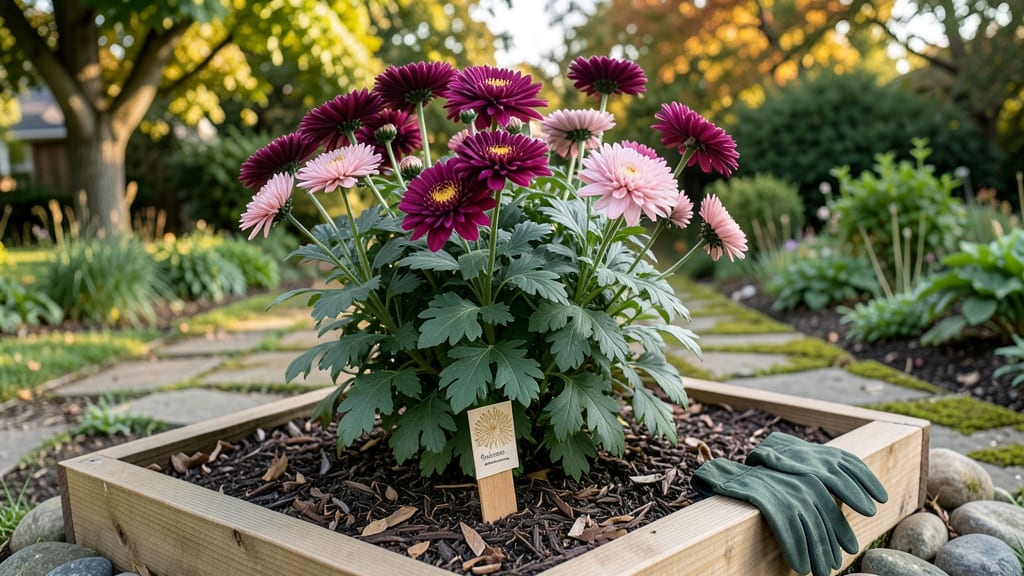
Will mums bloom twice in a season? Yes—they typically produce two flushes of blooms if you deadhead spent flowers and maintain proper care, though hardy varieties like 'Hardy Mums' may rebloom naturally with minimal effort. Strategic late-summer pruning and consistent watering help trigger that second flowering.
Most mums (chrysanthemums) are bred to rebloom, but their second flush depends on variety and aftercare. 🌸 The key difference lies in their genetics: garden mums need deadheading (removing faded blooms) to redirect energy to new flowers, while disbud types (like florist mums) rarely rebloom unless specifically bred for it.
Even then, factors like sunlight exposure and temperature swings can delay or prevent that second burst of color.
For best results, I recommend pruning back about one-third of the plant's height in early fall after the first blooms fade.
This encourages bushier growth and sets the stage for winter dormancy, which many mums need to trigger reblooming. Consistent watering (but not soggy soil) and balanced fertilizer also play critical roles—skipping these steps often means fewer flowers in the second round.
💡 In This Article
- Why Some Mums Rebloom While Others Don’t
- Deadheading and Pruning Techniques for Extended Mum Blooms
Why some mums rebloom while others don’t
The ability of mums to bloom twice hinges on their genetic classification and environmental triggers. Garden mums (like 'Autumn Joy' or 'Mammoth') are bred to produce two flushes of blooms annually, while disbud varieties (common in florist mums) focus energy on single, large blooms and rarely rebloom.
This genetic difference explains why your neighbor's hardy mum might explode with color in both spring and fall, while your store-bought florist mum stays stubbornly single-blooming.
Light exposure is the primary environmental trigger for reblooming. Mums need at least 6 hours of direct sunlight daily to set flower buds, but they also respond to shorter daylight periods in late summer.
When days grow shorter (below 12 hours of light), many mum varieties enter a natural dormancy phase that can trigger reblooming. Temperature plays a secondary role—most mums require cool nights (50-60°F) after the first bloom cycle to properly reset their growth cycle for a second round.
Soil fertility and moisture matter less than most gardeners realize. While well-draining soil with organic matter supports overall health, reblooming depends more on proper deadheading and light exposure than fertilizer type.
I've seen mums thriving in average garden soil produce two flushes, while others in rich compost still bloom only once—proving that genetics and light are the true game-changers. The myth that "more fertilizer equals more blooms" ignores this fundamental biological process.
Hardy mum varieties like 'Hardy Mums' (Chrysanthemum × grandiflorum) have an advantage because they're bred to tolerate wider temperature ranges and shorter daylight periods. These varieties often rebloom naturally without deadheading, though their second flush may be less abundant.
The trade-off? They typically produce smaller, more abundant blooms than their single-bloom cousins, which focus energy on fewer but larger flowers.
What most gardeners miss is the plant's internal clock. Mums use a process called photoperiodism—their response to daylight length—to time blooming. When days shorten in late summer, they detect this change and begin preparing for dormancy, which can trigger new flower buds.
This is why your mums might bloom in early fall but fail in late summer—you've missed the critical daylight threshold window.
Consider this real-world example: In my zone 5 garden, 'Autumn Joy' mums bloom in late September when days drop below 12.5 hours, while 'Mammoth' varieties often need an extra week of shorter days to trigger their second flush.
The difference comes down to their specific light sensitivity thresholds—something you can't control with fertilizer but can influence with proper planting location.
Here's the takeaway: Reblooming isn't about soil or luck—it's about understanding your mum's genetic type and providing the right light conditions. For garden mums, deadheading comes second to proper sunlight exposure as the key factor in achieving that second burst of color. 🌿