
Blooming
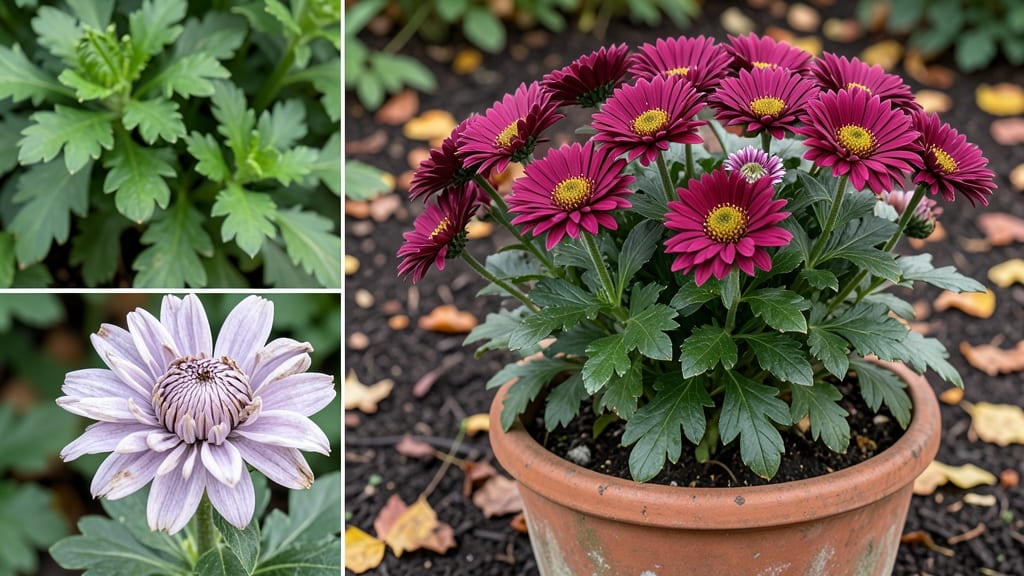
Some mum varieties bloom more than once, producing multiple flower flushes when given proper care like pruning, deadheading, and regular fertilization. Most standard mums bloom just once in late summer to fall, but reblooming types can continue flowering with the right conditions.
Not all chrysanthemums share the same blooming habits—it comes down to their genetic makeup. 🌸 Reblooming varieties are bred specifically to produce secondary (and sometimes tertiary) flower cycles when you provide consistent care.
The key difference lies in their growth patterns: single-bloom mums focus energy on one big show, while rebloomers spread their efforts across multiple smaller flushes. If you're growing mums for extended color, choosing a reblooming variety and following a strict care routine makes all the difference.
What sets rebloomers apart isn't just their ability to produce more flowers—it's their response to environmental cues. These varieties need at least 6 hours of sunlight daily, regular deadheading to remove spent blooms, and balanced fertilizer every 4-6 weeks during the growing season.
Without these, even the best reblooming mums will revert to their single-bloom ancestors. The payoff? A garden that stays vibrant from early summer through frost.
💡 In This Article
- Why Some Mums Rebloom While Others Don’t
- Reblooming Mum Care: Pruning, Fertilizing, and Light Tips
Why some mums rebloom while others don’t
The difference between single-bloom and reblooming mums starts at the genetic level. Single-bloom varieties, like the classic garden mum, follow a natural cycle where they produce one spectacular flush of flowers in late summer to fall. Their growth is triggered by shorter daylight hours—a process called photoperiodism.
These mums store energy in their roots during spring and summer, then burst into bloom when days grow shorter, typically around 10-12 hours of daylight. Once they finish blooming, their energy shifts to root development for winter survival.
Reblooming mums, on the other hand, are bred to override this natural cycle. Through selective breeding, these varieties can produce multiple flower flushes when given the right conditions. The key is their ability to respond to day-neutral flowering, meaning they don’t rely solely on daylight length.
Instead, they bloom continuously as long as they receive consistent care. The trade-off? They require more resources—like sunlight, water, and nutrients—to sustain these extra blooms. For example, a reblooming mum might produce its first flush in early summer, then again in late summer and early fall, if properly maintained. 🌿
What makes rebloomers unique is their growth habit. While single-bloom mums focus all their energy on one big display, rebloomers spread their efforts across multiple smaller cycles. This requires careful management of their energy reserves.
Without proper pruning and fertilization, rebloomers can become stressed and revert to single-blooming behavior. Think of it like a marathon runner versus a sprinter—rebloomers need consistent fuel and training to keep going.
The science behind this involves plant hormones, particularly florigen, a protein that signals flowering. In single-bloom mums, florigen production peaks once and then declines. Rebloomers, however, can produce multiple waves of florigen when stimulated by proper care.
This is why deadheading spent blooms is critical—it removes the hormonal signal that tells the plant to stop flowering, allowing it to produce new blooms. Without this intervention, the plant would assume its job is done and shift focus to seed production or dormancy.
Light exposure plays a crucial role in this process. Reblooming mums need at least 6 hours of direct sunlight daily to maintain their energy levels. Insufficient light weakens the plant, reducing its ability to produce florigen and sustain multiple blooms.
For instance, a reblooming mum in partial shade might produce its first flush but struggle to rebloom later in the season. The same goes for nutrients—rebloomers require balanced fertilizer every 4-6 weeks to replace the nutrients used during each bloom cycle.
Another factor is temperature. Reblooming mums thrive in USDA Zones 5-9, where they can experience warm summers and cool falls. In warmer climates, they may need afternoon shade to prevent stress, while in cooler regions, they might require winter protection to survive and rebloom the following year.
The ideal temperature range for continuous blooming is 60-75°F during the growing season. 🌸
Understanding these differences helps you choose the right mum for your garden. If you want a dramatic, one-time display, a single-bloom variety will suffice. But if you’re dreaming of a garden bursting with color from summer through fall, a reblooming mum—paired with the right care—is your best bet.
The secret lies in mimicking the plant’s natural growth patterns while giving it the extra support it needs to keep producing those stunning blooms.