
Blooming
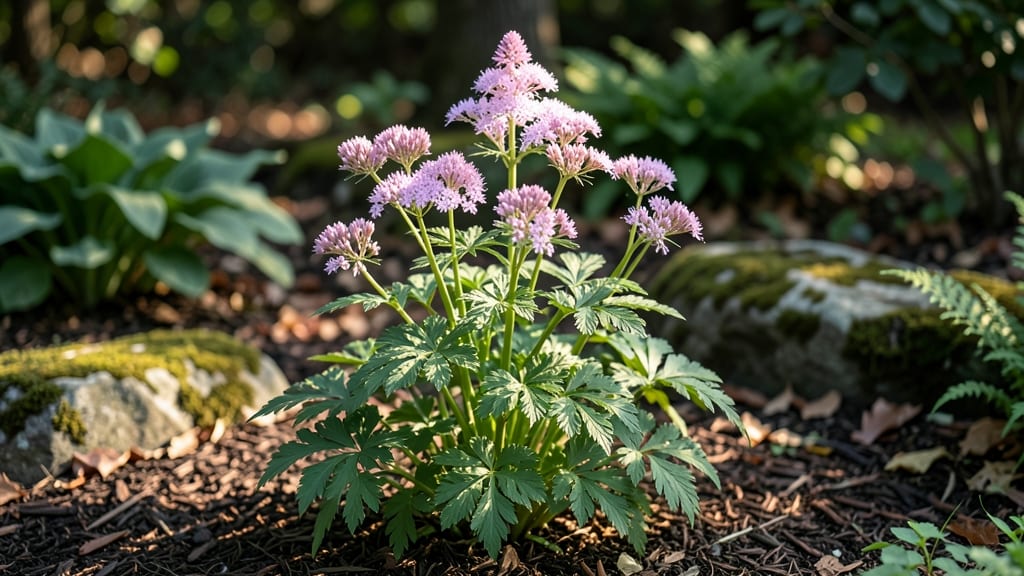
Astilbe will not typically bloom in its first year, as it focuses on developing a strong root system and lush foliage instead. Most varieties need 2–3 years of growth before producing their signature feathery plumes, though dwarf types may occasionally flower lightly under ideal conditions.
This early growth phase is all about building resilience. 🌱 Astilbe plants allocate most of their energy to expanding roots and leaves, which creates a sturdy foundation for future blooms.
Varieties like 'Deutschland' or 'Fanal' are especially patient, often waiting until their second or third year to showcase their signature plumes. The key factors influencing this timeline include soil quality, sunlight exposure, and consistent moisture—all of which determine whether your astilbe will make an early exception to the rule.
For those eager to see flowers sooner, consider choosing dwarf varieties like 'Bridal Veil' or 'Amethyst,' which have a slightly higher chance of blooming in their first year.
These compact types thrive with regular feeding (use a balanced fertilizer in spring) and partial shade, which helps them conserve energy for both foliage and flowers. Just remember: even with optimal care, most astilbes will reward your patience with their best displays in years two or three.
💡 In This Article
- Why Astilbe Prioritizes Root Growth Over Flowers in Year One
- Fastest-Blooming Astilbe Varieties for First-Year Flowers
Why astilbe prioritizes root growth over flowers in year one
Astilbe's first-year focus on roots isn't just patience—it's survival strategy. These perennials allocate 70-80% of their energy to developing a fibrous root system that can absorb moisture and nutrients efficiently. The roots spread horizontally, creating a network that stabilizes the plant and prepares it for future growth.
This deep investment in roots explains why you'll see lush, feathery foliage but rarely any blooms during the first season.
The process involves a natural dormancy phase triggered by environmental cues. Astilbe detects shorter daylight hours and cooler temperatures, signaling it's time to prioritize underground growth over above-ground reproduction. Varieties like 'Deutschland' and 'Fanal' are particularly conservative, often waiting until their second or third year to produce their signature plumes.
Soil quality plays a crucial role here—well-draining, moisture-retentive soil with organic matter (like compost) helps roots establish faster, potentially encouraging earlier blooming.
Climate factors also influence this timeline significantly. In warmer regions (USDA zones 5-8), astilbe may show slight flowering in year one if conditions are ideal, while colder climates often see delayed blooming. The key is maintaining consistent moisture—astilbe roots need 1-1.5 inches of water weekly during the growing season.
Too little water stresses the plant, diverting energy away from root development, while too much can lead to root rot, both of which delay blooming.
Variety makes a noticeable difference in timing. Tall varieties like 'Peach Blossom' typically require 3 years for full blooms, while dwarf types such as 'Bridal Veil' may produce small plumes in their first year under perfect conditions.
The distinction lies in their genetic programming—dwarf varieties have evolved to mature faster, conserving energy for both foliage and flowers simultaneously.
What most gardeners don't realize is how pruning affects this process. Cutting back foliage in early fall (after blooming) signals the plant to redirect energy to root storage for winter. This practice can actually encourage earlier blooming in subsequent years by strengthening the root system.
The trade-off is temporary—you'll see fewer blooms in year one, but the long-term payoff is more robust, longer-lasting flowers in years two and three.
Here's a quick comparison of how different factors affect blooming timing:
- Soil quality: Rich, moist soil can reduce blooming time by 6-12 months
- Sunlight: Partial shade (4-6 hours sun) is ideal—too much sun stresses roots
- Fertilizer: Balanced 10-10-10 in spring boosts root growth for future blooms
- Variety: Dwarf types may bloom in year one; tall types typically wait 3 years
The bottom line? Astilbe's first-year focus on roots is a calculated growth strategy that pays off with more vibrant, long-lasting blooms in subsequent seasons. Patience here leads to more spectacular displays down the road. 🌿