
Blooming
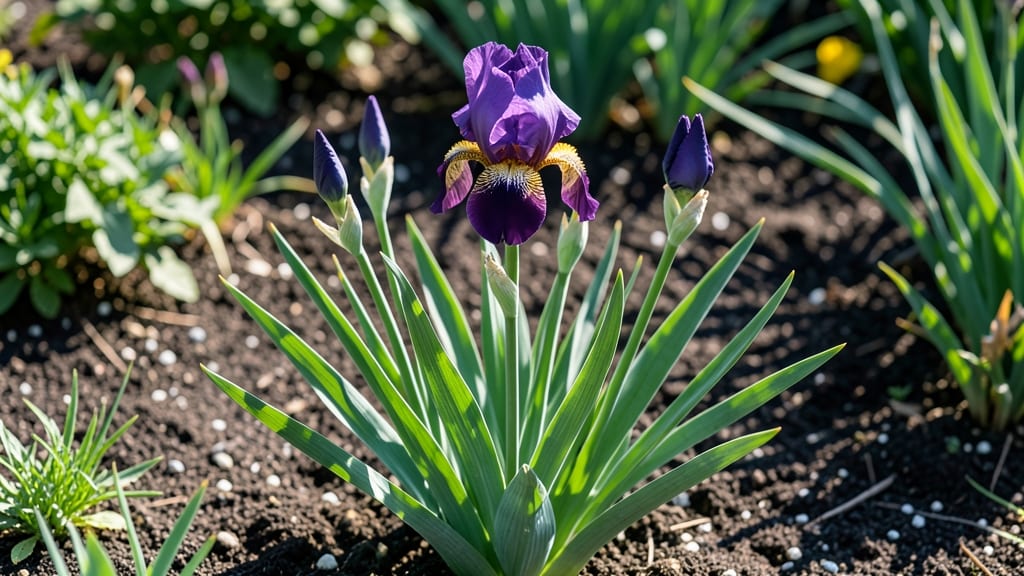
Iris blooms do not last all summer naturally, as most varieties bloom for just 2-4 weeks in spring, though some reblooming types produce sporadic flowers into early summer with proper care and deadheading.
Most irises follow nature's seasonal rhythm, triggered by daylight length and temperature shifts. 🌸 When spring's long days peak, they burst into bloom—but once that energy is spent, their rhizomes (underground stems) focus on storing nutrients for next year.
Even reblooming varieties need careful maintenance to encourage those extra bursts of color, like consistent watering and removing spent blooms promptly.
That said, Louisiana irises and certain Bearded iris hybrids are exceptions, often delivering surprise blooms in late summer if you keep their soil rich and their roots cool. Think of it like training a plant athlete—give them the right conditions, and they'll perform beyond expectations!
💡 In This Article
- Why Most Iris Plants Bloom Only Once Per Year
- Best Reblooming Iris Varieties for Extended Summer Color
Why most iris plants bloom only once per year
Iris blooming follows a strict biological calendar tied to daylight hours and temperature shifts. Most varieties trigger their spring bloom when daylight exceeds 12-14 hours, signaling the plant to shift energy from root growth to flower production.
This process is called vernalization, where cold winter temperatures (typically 35-45°F) break dormancy, priming the rhizomes to respond to longer days. Once the flowers appear, the plant prioritizes seed production, draining its energy reserves.
The rhizomes—thick, horizontal underground stems—store nutrients like starch and sugars, but they can't sustain continuous blooming. After the initial 2-4 week display, most irises enter a dormancy-like state, redirecting resources to root and leaf growth.
This is why you'll rarely see a second flush without intervention. Think of it like a battery: once the charge is used for spring blooms, the plant needs time to recharge for next year's cycle. 🌱
Temperature plays a critical role in this cycle. If summer heat exceeds 85°F, many iris varieties become stressed, halting flower production entirely. The plant's natural survival strategy is to conserve energy during heatwaves, which explains why even reblooming types may skip summer blooms in hot climates.
For example, Bearded irises in the Pacific Northwest often rebloom in late summer, but those in Arizona's desert heat may only produce one flush per year.
Another key factor is the plant's photoperiod sensitivity. Most irises are short-day or long-day plants, meaning they bloom in response to specific light conditions. Once summer solstice arrives (the longest day of the year), the decreasing daylight triggers a shift back to vegetative growth.
This is why even well-cared-for irises rarely bloom continuously—their internal clocks are hardwired to seasonal rhythms. The exception? Certain hybrids like Louisiana irises, which evolved in humid, warm climates where seasonal shifts are less extreme.
Deadheading (removing spent blooms) can encourage some varieties to produce sporadic summer flowers, but this only works if the plant has stored enough energy. Without proper winter chilling and consistent moisture, even reblooming types will struggle to produce a second flush.
The science is clear: irises are seasonal performers, not all-season showstoppers. 🌿
For gardeners hoping to extend the bloom season, understanding these biological triggers is key. While you can't force an iris to bloom year-round, you can optimize conditions to coax a few extra flowers in summer—starting with the right variety selection and maintenance practices.