Blooming
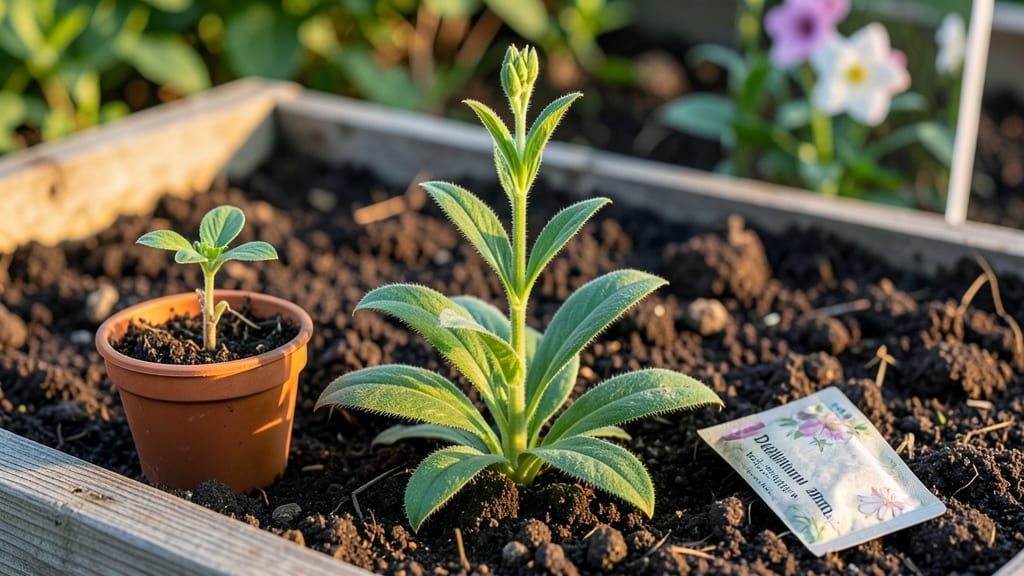
Delphiniums generally don't bloom during their first year, as they prioritize developing a robust root system and sturdy stems. Even with ideal conditions—such as full sunlight, nutrient-rich soil, and consistent moisture—you might only see sporadic, small blooms by late summer or the following spring. Their full flowering potential typically unfolds in the second or third year.
This first-year focus on root growth isn't just biology—it's survival strategy. 🌱 Delphiniums store energy underground during their initial season, building the foundation for dramatic blooms later.
Think of it like a marathon runner's training phase: what looks like slow progress now sets the stage for explosive performance in future seasons.
The key to encouraging earlier blooms lies in mimicking their natural conditions—like providing phosphorus-rich fertilizer in early spring to support root development while avoiding overwatering, which can stress young plants.
What many gardeners overlook is that even small first-year blooms signal a healthy plant. These early flowers often appear on shorter stems and may not reach their full showy potential, but they're still worth celebrating as proof your delphinium is thriving.
The real magic happens when you combine proper care with patience—those 5-foot-tall spikes of blue and purple will make the wait worthwhile.
💡 In This Article
- Why Delphiniums Skip First-Year Blooming: Growth Phases Explained
- Proven Tips to Encourage Delphinium Blooms Earlier
Why delphiniums skip first-year blooming: growth phases explained
Delphiniums follow a biennial or short-lived perennial growth cycle where the first year is all about building structural strength. During this phase, the plant diverts nearly all its energy toward developing a deep, fibrous root system that can anchor the plant and absorb nutrients efficiently.
This root development can extend 12-18 inches below the soil surface, creating a reservoir of stored energy for future growth. The botanical term for this is "juvenile phase," where plants prioritize vegetative growth over reproductive functions like flowering.
The environmental triggers for this behavior are fascinating. Delphiniums native to temperate regions (like Europe and Asia) evolved to delay flowering until they've established sufficient reserves. Full sun exposure (6-8 hours daily) is critical because it signals the plant that conditions are favorable for reproduction.
However, if the plant doesn't receive adequate sunlight or nutrients, it will continue focusing on root and stem development rather than producing flowers. Temperature also plays a role—cool spring nights followed by warm days help trigger flowering hormones in subsequent years.
What's happening chemically is equally impressive. The plant produces higher levels of cytokinins (hormones that promote cell division) in the roots during the first year, which stimulates leaf and stem growth. Meanwhile, auxin production (which inhibits flowering) remains dominant until the plant reaches a certain size threshold.
This hormonal balance explains why even well-cared-for delphiniums may produce only 1-2 small blooms in their first year—if any at all. The real floral display comes when gibberellins (flowering hormones) take over in year two.
Soil composition dramatically affects this process. Delphiniums thrive in well-draining soils with a pH between 6.5-7.5, which allows their roots to access oxygen and nutrients efficiently. Heavy or waterlogged soils can stunt root development, delaying the flowering phase even further.
Think of it like building a skyscraper—the foundation must be perfectly poured before construction can reach the upper floors. In this case, the "upper floors" are those spectacular 3-5 foot flower spikes that make delphiniums a garden favorite.
Here's what most gardeners miss: even small first-year blooms are a positive sign. These early flowers often appear on shorter stems and may lack the vibrant color of mature blooms, but they indicate the plant is photosynthesizing effectively and storing energy.
The key difference between first-year and subsequent blooms is the plant's energy allocation—first-year flowers come from current season growth, while later blooms draw from stored reserves in the roots. This energy storage is why delphiniums can produce such dramatic displays in their second or third year.
The waiting game pays off because these stored reserves allow delphiniums to produce flowers even in less-than-ideal conditions later.
For example, a well-established delphinium might still bloom beautifully in a slightly shaded spot in year three, while a first-year plant would struggle to produce any flowers at all in those conditions.
This resilience is one reason delphiniums are prized in perennial gardens—they turn a one-year investment into years of stunning color.