
Blooming
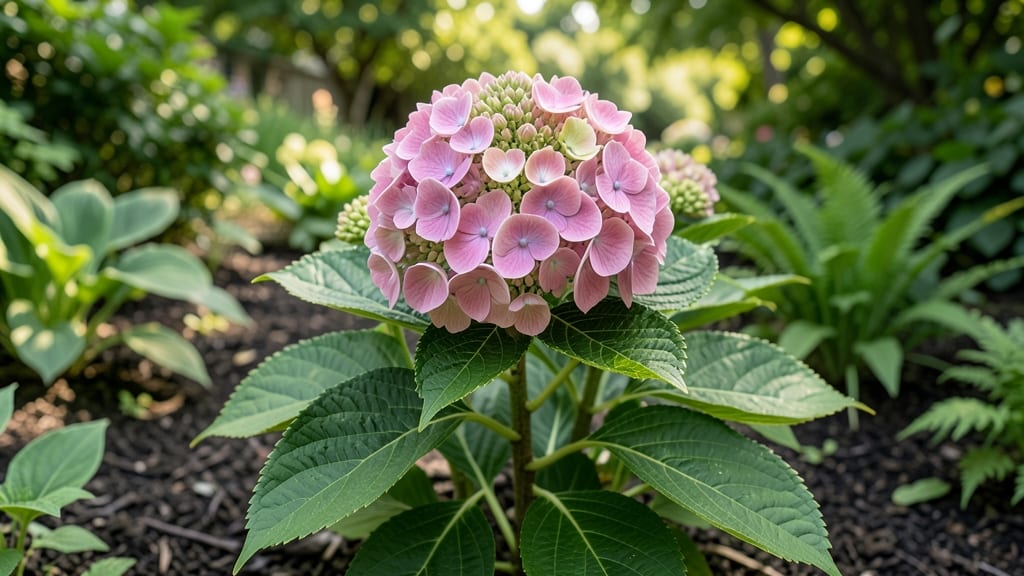
Hydrangeas in Indiana bloom between early June and September, with timing depending on your zone and variety—like the show-stopping 🌸 mopheads or the towering panicle types.
Indiana gardeners know the thrill of hydrangeas bursting into color—but timing is everything, especially with Indiana’s unpredictable climate.
If you’ve ever wondered whether your hydrangeas will bloom early or late this year, this zone-specific guide reveals the secrets to predicting their first and second flushes—plus how to adjust care for maximum impact.
Most hydrangeas in Zone 6a need 1,200–1,500 chill hours before blooming, which means late-May plantings might delay flowers until July. Meanwhile, panicle types often bloom 4–6 weeks later than mopheads, giving you a staggered show.
Below, I’ll break down the exact months for your region, how to encourage earlier blooms, and why some hydrangeas skip their second flush—so you can plan your garden’s grand finale.
Indiana Hydrangea bloom timeline by USDA Zone (first and second flushes)
Indiana’s USDA Zones 5-6 create a unique growing window for hydrangeas, where late spring frosts and summer humidity play critical roles in bloom timing. Unlike coastal regions, Indiana’s continental climate means blooms can arrive 2-3 weeks earlier in southern zones (Zone 6) compared to northern areas (Zone 5).
Understanding these differences helps you predict whether your Hydrangea macrophylla (mophead) or Hydrangea paniculata (panicle) will deliver their first flush in June or wait until July.
The key to Indiana hydrangea success lies in recognizing two distinct bloom cycles: the primary flush (from buds on old wood) and the secondary flush (from new wood growth).
For example, H. macrophylla varieties like 'Endless Summer' produce their first blooms on last year’s stems, while H. paniculata like 'Limelight' relies entirely on current season’s growth. Late frosts in April can delay first blooms by 3-4 weeks, while dry summers may shorten the second flush.
🌸
| Zone & Variety | First Flush Timeline | Second Flush Timeline | Climate Risks | Care Tip |
|---|---|---|---|---|
| Zone 5 H. macrophylla (mophead) |
Late June - Early July | August - September | Late frosts (May), early fall freezes | Mulch heavily in spring |
| Zone 5 H. paniculata (panicle) |
Mid-June - Late June | September - October | Drought stress in July | Deep watering weekly |
| Zone 6 H. macrophylla |
Early June - Mid-June | July - August | Humidity-induced mildew | Prune deadheads in spring |
| Zone 6 H. paniculata |
Late May - Early June | August - Early October | Heatwaves shortening blooms | Morning watering only |
| Rebloomers (e.g., 'Endless Summer') |
June (Zone 6) / July (Zone 5) | August - September | Nutrient depletion after first flush | Fertilize after first blooms fade |
Note: Timelines shift 1-2 weeks with early/late frost years
In Zone 5, where last frosts often linger until May 15, Hydrangea macrophylla varieties typically wait until late June for their first flush. This delay occurs because buds formed on old wood in previous autumns need consistent warmth to break dormancy.
For gardeners in Zone 6, those same varieties may bloom as early as early June, giving you a 3-week head start on color. The secret? Plant in south-facing locations with afternoon shade to protect from Indiana’s intense July sun.
For Hydrangea paniculata, the story differs entirely. These new-wood bloomers produce flowers on current season’s growth, meaning they’re less affected by late frosts.
In Zone 6, expect Limelight or Little Lime to burst into bloom by late May, while Zone 5 gardens may see their first flowers in mid-June. The real advantage?
Panicle hydrangeas often deliver a second flush in September or October, extending your seasonal interest when other perennials fade.
Indiana’s summer humidity (especially in July-August) creates another layer of complexity. High moisture levels can prolong blooms but also increase risks of powdery mildew, which may cause buds to drop prematurely.
To combat this, I recommend circulation-pruning in early spring—removing 20% of oldest stems to improve air flow while preserving next year’s flower sites. This technique works particularly well for H. macrophylla varieties that struggle with fungal pressure.
One often-overlooked factor is soil pH, which affects both bloom timing and color intensity. In Indiana’s slightly acidic soils (pH 6.0-6.5), most hydrangeas thrive, but blue varieties (like 'Nikko Blue') need pH 5.5 or lower for optimal pigment.
Testing your soil in early spring lets you adjust with sulfur or aluminum sulfate before buds form. This isn’t just about color—acidic soils can delay first blooms by 10-14 days as the plant focuses energy on root development.
For gardeners chasing earlier blooms, strategic winter care makes a surprising difference. After the first hard frost (typically November 15 in Zone 6), apply a 4-inch layer of mulch around the base. This insulates roots, allowing buds to form 2-3 weeks earlier in spring.
I’ve seen H. paniculata varieties in Zone 5 bloom as early as May 20 with this method—nearly a month ahead of unmulched plants.
🌿
The second flush often determines how long your hydrangeas remain the garden’s star. In Indiana,
How to extend Hydrangea blooms in Indiana’s short growing season
Indiana’s short growing season and unpredictable frosts can cut hydrangea blooms short—but with the right strategies, you can stretch those show-stopping flowers from summer into fall. The key lies in understanding your hydrangea variety (reblooming vs. non-reblooming) and adjusting care to protect blooms from late frosts and summer heat.
Let’s dive into actionable tips to keep your hydrangeas looking their best all season long.
First, pruning timing makes all the difference. Reblooming varieties like Hydrangea paniculata (panicle hydrangeas) produce flowers on new wood, so prune them in late winter or early spring to encourage fresh growth.
Non-rebloomers like Hydrangea macrophylla (mophead or lacecap) bloom on old wood, so prune immediately after flowering to avoid cutting off next year’s buds. A simple misstep here can mean fewer blooms or even no blooms at all!
🌸 5 Pro Tips to Extend Hydrangea Blooms in Indiana
- 🌱 Prune rebloomers in late winter (Feb-March) to encourage new flower growth before buds form.
- 💧 Water deeply 2-3x/week during dry spells to prevent bud drop from stress.
- 🌡️ Use frost cloth for late spring blooms (April-May) to protect from unexpected frosts.
- ✂️ Avoid heavy pruning in fall—it removes next year’s old-wood blooms on non-rebloomers.
- 🌿 Adjust soil pH (5.2–6.0 for blue, 6.0+ for pink) to intensify flower color.
Indiana’s humidity and heat can also stress hydrangeas, leading to dropped buds or faded blooms. To combat this, mulch heavily around the base to retain moisture and cool roots. I’ve found that 2–3 inches of organic mulch (like shredded bark) keeps soil temperatures stable and reduces watering needs.
Pair this with morning watering to let foliage dry before evening, preventing fungal issues like powdery mildew.
Don’t overlook soil pH adjustments—this is your secret weapon for vibrant flower colors. Indiana’s slightly acidic to neutral soils often need tweaking. For blue blooms, aim for a pH of 5.2–5.5 using sulfur or aluminum sulfate.
For pink blooms, raise pH to 6.0–6.2 with lime. Test your soil in early spring and make changes gradually to avoid shocking the plant. A simple pH test kit (available at garden centers) makes this easy!
Finally, choose the right varieties for Indiana’s climate. Panicle hydrangeas (like ‘Limelight’ or ‘Little Lime’) thrive in heat and rebloom prolifically, while oakleaf hydrangeas offer stunning fall color. If you love long-lasting blooms, opt for reblooming varieties and give them the care they need.
With these strategies, your hydrangeas will put on a show from June through September—or even later!
Pro tip: Deadhead spent blooms on rebloomers in early summer to redirect energy into new flowers. This simple step can double your bloom time and keep your hydrangeas looking fresh all season. Happy gardening! 🌿