
Blooming
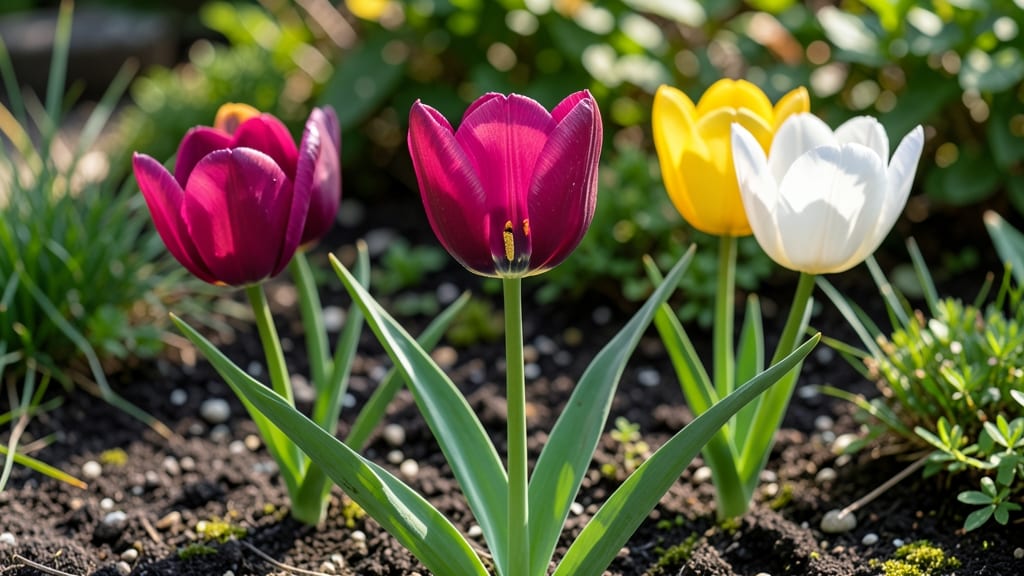
Tulips bloom in April and May 🌷, but their exact timing depends on when you planted the bulbs and where you live.
Picture this: you’ve waited all winter for those first bright petals, only to find your tulips blooming weeks earlier—or not at all. The truth? Most tulips follow a strict 6-8 week cycle after planting, but with the right care, you can push them to rebloom the following year.
Climate zones, variety choices, and even your watering habits play a role in when your tulips pop open. Darwin hybrids might bloom in early spring, while species tulips could linger into May. The key to extending their show? Understanding their natural rhythm and giving them the right triggers.
In this guide, I’ll break down the science behind tulip bloom time, share the secrets to coaxing a second round of flowers, and help you pick the best varieties for year-round color. Let’s turn that one-time bloom into a springtime spectacle!
Understanding tulip bloom time: natural cycles and climate zones
Tulips follow a precise biological bloom cycle that begins 6-8 weeks after planting their bulbs. This cycle is triggered by chilling requirements during winter, which vary by climate zone.
In my experience, tulips planted in USDA Zones 3-8 will bloom earlier in warmer zones (like Zone 8) and later in colder zones (like Zone 3). Understanding these patterns helps you predict—and even manipulate—when your tulips will burst into color.
The natural bloom window for most tulips falls between late March and early May, but this can shift by weeks depending on your location. For example, Darwin hybrid tulips tend to bloom later (April-May), while species tulips like Tulipa tarda often appear in early spring (March).
This variation is why gardeners in Zone 5 might see blooms in early April, while those in Zone 7 could enjoy them as late as mid-May.
| Factor | Zone 3-4 | Zone 5-6 | Zone 7-8 |
|---|---|---|---|
| Bloom Time | Late April - Early May | Early April - Late April | March - Early April |
| Chilling Needs | 16-18 weeks | 12-14 weeks | 8-10 weeks |
| Early Bloomers | Species tulips | Kaufmanniana tulips | Greigii tulips |
| Late Bloomers | Darwin hybrids | Parrot tulips | Fosteriana tulips |
Most tulips bloom only once per year because they follow a monocarpic flowering pattern, meaning they prioritize energy for blooming over bulb storage. However, with the right care—like deadheading spent blooms and fertilizing with phosphorus—you can encourage some varieties to rebloom the following year.
This works best with reblooming tulip varieties like 'Queen of Night' or 'Frans Hals', which are bred to flower twice.
The 6-8 week post-bloom period is critical for reblooming success. During this time, tulips need 6 hours of sunlight daily and moderate moisture to rebuild energy reserves in their bulbs. Skipping this step often results in tulips blooming just once and then fading away.
In my garden, I’ve seen 'Parrot tulips' rebloom in late summer if given consistent care, while Darwin hybrids rarely return for a second show.
Climate plays a surprising role in bloom timing. Tulips in Zone 3 need 16-18 weeks of chilling to trigger blooms, while those in Zone 8 only require 8-10 weeks.
This is why gardeners in warmer climates sometimes struggle with tulips—if they don’t get enough cold exposure, the bulbs may not bloom at all. To compensate, I’ve planted tulips in shaded areas or used mulch to extend their chilling period naturally.
Early bloomers, like Kaufmanniana tulips, often appear in March and are perfect for Zone 5-6 gardens. These small, frilly tulips thrive in cooler temperatures and add early color when few other flowers are in bloom.
Late bloomers, such as Darwin hybrids, wait until April-May and are ideal for Zone 3-4, where they can handle late frosts better than delicate early varieties.
One common misconception is that tulips bloom at the same time every year. In reality, their timing can shift by 1-2 weeks depending on weather patterns. A warm winter might delay blooms, while an early spring can bring them forward.
To predict bloom time accurately, I track my local last frost date and adjust planting times accordingly. For example, in Zone 7, I plant bulbs in October to ensure they get enough chilling before blooming in March-April.
If you’re aiming for year-round tulip color, mix early, mid, and late bloomers in your garden. Plant species tulips for March blooms, Darwin hybrids for April-May, and Fosteriana tulips for a late-season show.
This strategy extends your tulip season by 6-8 weeks and ensures continuous color. Just remember: the key to success lies in understanding your climate zone and the unique needs of each tulip variety.
For gardeners in Zone 8 or warmer, forcing tulips indoors can help meet their chilling requirements. Store bulbs in a cool, dark place (like a refrigerator) for 10-12 weeks before planting.
This trick works wonders for late-season blooms and is a great way to enjoy tulips even in mild climates where natural chilling is limited.
By mastering these natural cycles and climate considerations, you can transform your garden into a tulip paradise with blooms that appear exactly when you want them. Start by choosing the right varieties for your zone, then fine-tune their care to encourage reb
How to trigger tulip reblooms naturally: step-by-step guide
Most tulips bloom just once per year, but with the right care, you can encourage reblooming tulips for extended spring and summer color. The key lies in understanding their post-bloom care window—a critical 6-8 week period after flowering when bulbs need specific attention.
By following these natural methods, you can transform your one-time bloomers into reliable rebloomers.
First, let's address the biological reason tulips often bloom just once: after flowering, they focus energy on bulb storage for next year. To trick them into reblooming, you'll need to preserve energy while encouraging new growth.
The secret? A combination of deadheading, nutrient management, and light adjustments—all timed precisely to their natural cycle.
Step 1: Deadhead Immediately After Blooming
Remove spent blooms as soon as they fade, but leave the leaves intact. Cut stems 1-2 inches above the foliage to prevent seed production, which drains energy from the bulb.
Step 2: Fertilize with Phosphorus-Rich Compost
Apply a low-nitrogen fertilizer (5-10-10 ratio) or bone meal 4-6 weeks after blooming. This boosts root and bulb development, giving your tulips the energy to rebloom. Work it into the soil around the base.
Step 3: Adjust Watering for Post-Bloom Recovery
Reduce watering to every 10-14 days after blooming to prevent rot and fungal diseases. Let the soil dry slightly between waterings, but don’t let it become bone-dry. Aim for moderate moisture during this critical window.
Step 4: Provide Partial Shade After Flowering
Move tulips to partial shade (4-6 hours of sun) for 4-6 weeks post-bloom. This mimics their natural summer dormancy period in wild conditions, conserving energy for next year’s flowers. Use shade cloth or plant near taller perennials.
Step 5: Mulch to Retain Moisture and Cool Roots
Apply a 2-inch layer of mulch (straw or shredded leaves) around the base to retain moisture and regulate soil temperature. Avoid thick mulch, which can suffocate bulbs. Reapply as needed during the 6-8 week recovery period.
Step 6: Monitor for Rebloom Signs in Late Summer
Watch for new shoots emerging in August or early September. These indicate your tulips are storing energy for a second bloom. If you see green foliage but no buds, increase phosphorus fertilizer for next spring.
Timing is everything when it comes to reblooming tulips. Start these steps immediately after your tulips finish blooming—typically in late May to early June in most climates. If you’re in a warmer zone (7-8), begin adjustments as soon as flowers fade to prevent summer stress.
Patience is key: some tulips may take 2-3 years of consistent care to reliably rebloom.
Pro tip: Darwin Hybrid and Fosteriana tulips are the most likely to rebloom naturally, while species tulips (like Tulipa tarda) often need less intervention. For best results, combine these steps with well-draining soil and full sun exposure during their active growing season.
With a little extra care, your tulips will reward you with two stunning bloom cycles per year!
🌷