
Blooming
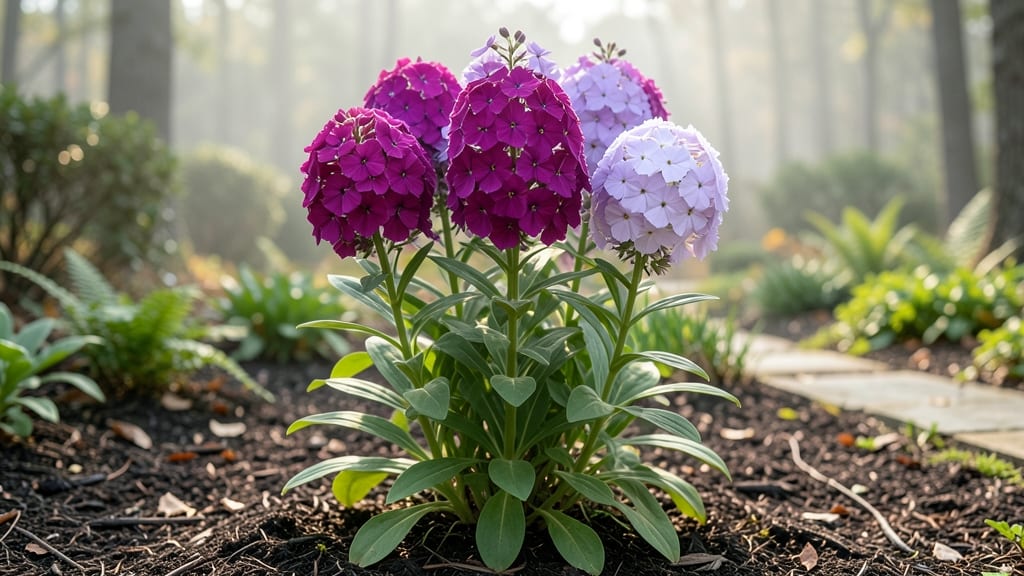
Tall phlox blooms in late spring to early summer 🌸, transforming your garden into a fragrant cloud of color—but getting the timing right means the difference between a showstopper and a disappointment.
If you’ve ever planted tall phlox hoping for a burst of fragrant color—only to be disappointed by late or sparse blooms—you’re not alone.
The secret to timing your tall phlox blooms perfectly lies in understanding exact bloom windows by variety, which can vary by weeks depending on your hardiness zone and growing conditions.
For most gardeners in Zone 6a, expect blooms to kick off in June and stretch into early August, but cooler climates or late springs can push that back. The right variety—like ‘David’ or ‘White Supreme’—can shift your display by weeks, while proper care keeps those fragrant spikes coming.
Below, you’ll find the month-by-month breakdown for top varieties, plus 5 proven techniques to extend your blooms and troubleshoot common mistakes that delay or dim your phlox’s performance.


Tall phlox bloom time by variety: month-by-month breakdown for peak fragrance
Tall phlox (Phlox paniculata) is a garden staple, but its bloom timing can feel like a moving target. Some varieties burst into color in early summer, while others linger into fall—each offering weeks-long fragrance that transforms your garden.
Understanding these variety-specific bloom windows ensures you’ll have continuous color and scent from June through September. Let’s break down the top performers by month, with zone adjustments for USDA Zones 4-8.
The key to maximizing fragrance lies in selecting varieties that overlap bloom times. For example, planting ‘David’ (early) alongside ‘Lavender Lace’ (mid) and ‘White Supreme’ (late) creates a three-month fragrance cascade.
Below, I’ve mapped out their peak bloom periods, including early, mid, and late-season options to extend your garden’s perfume party.
If you’re in Zones 4-6, expect blooms to start 2-3 weeks later than in warmer climates. For example, ‘David’ in Zone 5 may not peak until late June or early July, while in Zone 7, it’s ready by mid-June.
To bridge gaps, mix early, mid, and late-season varieties—this ensures your garden stays fragrant from May through September.
For continuous fragrance, pair tall phlox with shorter-blooming companions like catmint (Nepeta) or salvia. These plants fill in gaps between phlox blooms while adding texture and complementary scents.
For instance, catmint blooms in late spring to early summer, while ‘Lavender Lace’ phlox takes over in August.
Zone-specific adjustments are critical. In Zone 8, where winters are mild, some varieties like ‘White Supreme’ may bloom as early as May and continue into late August. Meanwhile, in Zone 4, a late frost could delay ‘Lavender Lace’ until mid-August.
To protect early blooms, consider lightweight row covers if frost threatens after May 15.
Deadheading spent blooms 2-3 times per week extends each variety’s bloom time by 2-4 weeks. For example, if you start deadheading ‘David’ in late June, you might coax another 3-4 weeks of blooms before it fades.
This simple step turns a 6-week bloom window into a 10-week fragrance festival.
Soil pH also plays a role—tall phlox thrives in slightly acidic to neutral soil (pH 6.0–7.0). If your soil is too alkaline (pH >7.5), blooms may be sparser and shorter-lived.
Test your soil in early spring and amend with peat moss or sulfur if needed. A well-fed phlox plant
How to extend tall phlox bloom time: 5 proven techniques for longer fragrant spikes
Your tall phlox may bloom beautifully for a few weeks, but those fragrant spikes can disappear faster than you’d like. The good news? With the right techniques, you can extend bloom time by 3-6 weeks while keeping that signature phlox fragrance strong.
The key lies in understanding how to delay initial blooms and prolong flowering through targeted care.
Unlike annuals, tall phlox (Phlox paniculata) is a perennial powerhouse that rewards patience. By focusing on soil nutrition, watering discipline, and strategic pruning, you can transform a single burst of color into a continuous summer display.
Let’s dive into the 5 most effective methods to keep your phlox blooming longer.
🌸 5 Proven Techniques for Extended Tall Phlox Bloom Time
- Deadhead Religiously – Snip spent blooms below the next set of buds to redirect energy into new flowers. Do this every 3-5 days during peak bloom.
- Boost Phosphorus/Potassium – Use a 5-10-10 fertilizer in early summer to fuel blooming. Avoid high-nitrogen feeds, which promote foliage over flowers.
- Water Deeply & Consistently – 1 inch of water per week (morning only) prevents stress. Drought triggers early dormancy, cutting bloom time short.
- Strategic Summer Pruning – Cut back 1/3 of stems after first bloom to encourage a second flush of flowers by late summer.
- Mulch Heavily – Apply 3 inches of mulch to retain moisture and regulate soil temps, which delays first frost damage and extends the season.
Let’s break down each technique so you can implement them with confidence. Start with soil amendments—phlox thrives when its roots have access to the right nutrients.
A balanced fertilizer (like 10-10-10) applied in early June can double your bloom duration by ensuring the plant has energy for continuous flowering.
Next, focus on watering discipline. Tall phlox is drought-tolerant once established, but irregular watering causes buds to drop prematurely. Water at the base of the plant in the morning to avoid fungal issues and keep stems firm. This simple habit can add 2-3 weeks to your bloom season.
For second-flush blooms, try the strategic pruning hack: After the first wave of flowers fades, cut back 1/3 of the tallest stems to the first set of healthy leaves. This triggers new growth and often produces a late-summer rebloom just as other perennials start to fade.
Finally, don’t underestimate the power of mulching. A thick layer of organic mulch (like shredded bark) keeps roots cool in summer and warm in fall, delaying dormancy and extending the window for new buds to form.
This is especially critical in USDA Zones 5-7, where early frosts can cut blooms short.
With these techniques, your tall phlox can bloom from early July through September—giving you double the fragrance and color you’d expect. The best part? These methods work for all tall phlox varieties, from ‘David’ to ‘White Supreme.’
Start implementing them this season, and enjoy a longer, more abundant display of those beloved fragrant spikes. 🌿