
Size
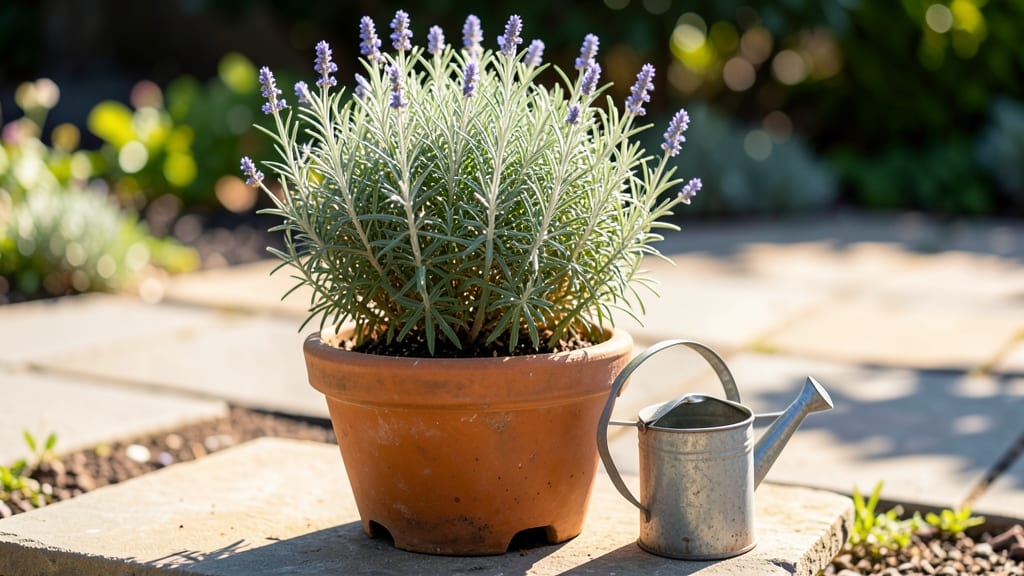
The right rosemary pot size is the secret to keeping your 🌿 thriving—too small and it’ll become root-bound, too big and you risk soggy soil. I’ve seen even experienced gardeners overlook this, leading to stunted growth or worse, a plant that just gives up.
Rosemary isn’t picky, but it does need room to breathe—literally. A 5- to 7-inch diameter pot works for young plants, while mature rosemary needs at least 12 inches of space to spread its roots happily. Terracotta pots help wick away moisture, but plastic works too if you drill drainage holes.
Here’s the game-changer: width matters more than depth. Rosemary has a shallow root system, so a wide, shallow pot prevents waterlogging while giving those roots the room they crave. And if you’re growing multiple plants together, space them at least 6 inches apart to avoid competition.
Below, I’ll break down the exact pot sizes for seedlings, dwarf varieties, and full-grown rosemary, plus how to tell if it’s time to upgrade. You’ll also learn how to pair rosemary with other herbs in the same container—because why not turn one pot into a flavor powerhouse?


Ideal rosemary pot size by plant type and growth stage
Choosing the right rosemary pot size depends on your plant's variety and growth stage. Upright varieties like 'Tuscan Blue' need deeper containers, while trailing types such as 'Prostratus' thrive in wider, shallower pots.
Seedlings only need small pots, but mature plants require 3-5 gallons of space to prevent root binding.
Indoor rosemary typically stays smaller, fitting in 5-7 inch diameter pots, while outdoor plants can grow into 12-18 inch containers. The material matters too: terracotta breathes better but dries faster, while plastic retains moisture longer but may trap heat.
Here’s a quick reference for rosemary pot sizes by type and stage:
For upright rosemary varieties, depth is critical—aim for at least 12 inches for mature plants
How to choose the best container for rosemary growth
When selecting a container for your rosemary, drainage holes are non-negotiable. Without them, excess water pools at the roots, causing root rot—a silent killer for herbs. I’ve learned this the hard way with my first rosemary plant, which wilted despite my best watering habits.
Always choose pots with at least 3-4 drainage holes spaced evenly around the base. For indoor growing, elevate pots on saucers to catch runoff while preventing soggy surfaces.
Rosemary’s root system is shallow, so depth matters less than width. A width-to-depth ratio of 2:1 (e.g., 12-inch diameter × 6-inch depth) is ideal. This ratio mimics rosemary’s natural spread while preventing waterlogging.
Avoid deep pots unless you’re growing trailing varieties like ‘Prostratus’ rosemary, which benefits from extra depth to support its cascading growth habit. For standard varieties, prioritize width to encourage bushier, more aromatic foliage.
🪴 Rosemary Pot Material Pros & Cons
- Pros: Breathable, wicks moisture, prevents root rot
- Cons: Heavy, breaks in freeze/thaw cycles
- Pros: Lightweight, decorative, durable
- Cons: Non-breathable unless glazed with holes
- Pros: Affordable, lightweight, retains moisture
- Cons: Prone to overheating in sun, less breathable
For multi-plant containers, rosemary pairs beautifully with thyme, oregano, or lavender, creating a Mediterranean herb garden in one pot. Space each plant 6-8 inches apart to avoid competition.
I’ve had success with a 18-inch diameter pot holding 3 rosemary plants and 2 thyme plants, but monitor growth closely—rosemary can outcompete slower growers like lavender. Use a well-draining soil mix (60% potting soil, 30% perlite, 10% coarse sand) to keep roots happy and prevent fungal issues.
Material choice affects temperature regulation and moisture retention. Terracotta is my top pick for rosemary because it breathes, preventing root rot in hot climates.
However, it dries out faster in dry air, so I water mine every 5-7 days during summer. Ceramic pots are great for aesthetics but require extra drainage holes if unglazed. Plastic pots are lightweight and budget-friendly, but they trap heat—ideal for shaded patios but risky in full sun.
If using plastic, opt for white or light-colored pots to reflect sunlight and reduce heat buildup.
Don’t overlook the container’s weight, especially for outdoor growing. A 12-inch terracotta pot can weigh 10+ pounds when wet, making it unstable in wind. I secure mine with sandbags or stakes during storms. For balconies, choose lightweight fiberglass or resin pots—they won’t tip over but still allow drainage.
Pro tip: Add a saucer with pebbles under the pot to improve stability and catch excess water, which you can reuse for other plants.
Finally, repot every 2-3 years or when roots circle the pot’s base. Signs it’s time to upgrade include yellowing leaves, stunted growth, or roots growing out of drainage holes. I repot my rosemary in early spring before active growth begins.
Choose a pot 2-3 inches larger in diameter and refresh the soil with a 50% new potting mix to avoid shocking the plant. With the right container, your rosemary will thrive for years—producing fragrant leaves and even delicate flowers!