
Container Gardens
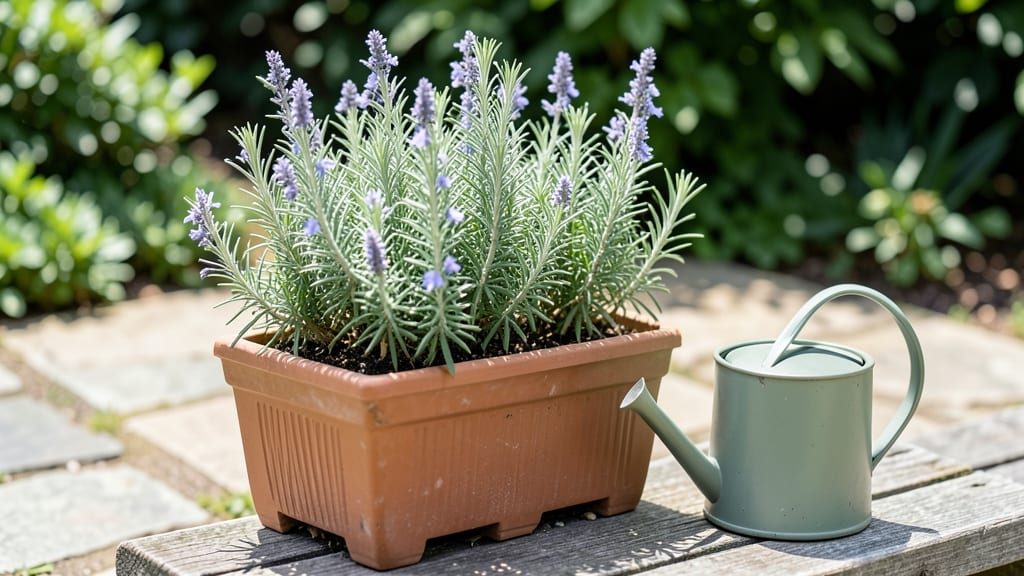
Growing rosemary in containers requires the right container size to keep it healthy and thriving 🌿—too small, and you’ll end up with a leggy, struggling plant.
Struggling to keep your rosemary thriving? The right container size isn’t just about aesthetics—it’s the secret to lush, fragrant growth that lasts years. Discover the perfect dimensions to transform your rosemary from struggling survivor to kitchen garden superstar.
For most rosemary varieties, a container at least 12 inches deep and 12 inches wide gives roots enough room to spread without crowding. Smaller pots may work for dwarf varieties, but even then, drainage and airflow are critical.
Below, I’ll break down the ideal container sizes by rosemary type, how to choose materials for better drainage, and the 5 most common mistakes that stunt growth—and how to fix them.


Ideal rosemary container size by variety and growth stage
Choosing the right container size for your rosemary isn't just about fitting it in your space—it's about giving its roots the room they need to thrive. Upright varieties like 'Tuscan Blue' need deeper pots, while prostrate types such as 'Prostratus' spread wider.
Even dwarf rosemary varieties require proper dimensions to prevent root binding, which stunts growth and reduces fragrance. Let's break down the perfect container sizes for each stage of your rosemary's life.
For seedlings, small containers work fine, but they're only temporary. A 4-inch pot is ideal for starting rosemary from seeds or cuttings, but you'll need to transplant it within 3-4 months. Root health suffers when roots circle the container, so plan ahead.
If you're starting with a nursery plant, check its current pot size—gallon pots are a good mid-stage size before upgrading to mature dimensions. Remember, rosemary hates crowded roots, so bigger is always better for long-term growth.
| Variety Type | Seedling Stage | Mature Plant | Container Depth | Width/Diameter |
|---|---|---|---|---|
| Upright (e.g., 'Tuscan Blue') | 4-inch pot | 15-20 gallon | 12-18 inches | 12-16 inches |
| Prostrate (e.g., 'Prostratus') | 4-inch pot | 5-7 gallon | 8-10 inches | 18-24 inches (long) |
| Dwarf (e.g., 'Blue Spires') | 4-inch pot | 3-5 gallon | 10-12 inches | 10-12 inches |
| Standard Pots | N/A | 15-20 gallon | 12+ inches | 12+ inches |
| Window Boxes | N/A | 3-5 gallon equivalent | 8-10 inches | 12-18 inches (length) |
| Hanging Planters | N/A | 3-5 gallon | 10-12 inches | 10-12 inches (diameter) |
For upright rosemary varieties, aim for containers that are at least 12 inches deep and 12 inches wide at maturity. These varieties can grow 3-6 feet tall, so their roots need ample space to anchor. A 15-20 gallon pot is perfect for a single mature upright rosemary plant.
If you're growing multiple plants together, increase the container size by 50% per additional plant. For example, two upright rosemary plants need a 30-40 gallon container to prevent competition.
If you're working with prostrate rosemary, focus on width rather than depth. These varieties spread out horizontally, so a long, shallow container like a window box or trough is ideal. A 5-7 gallon container that's at least 18-24 inches long gives prostrate varieties enough room to sprawl.
For hanging baskets, choose ones with a 10-12 inch diameter and ensure they have sturdy handles to support the plant's weight as it grows.
Dwarf rosemary varieties are more compact but still need proper container dimensions. A 3-5 gallon pot with 10-12 inches of depth works well for mature dwarf rosemary. These varieties are perfect for small spaces, balconies, or even as window box plants.
Just ensure the container has enough depth to accommodate their root system, even if the plant itself stays small. Shallow containers can lead to
How to choose the right container material and drainage for rosemary
Selecting the perfect container for your rosemary isn't just about looks—it's about creating the ideal environment for its roots to thrive. The wrong material can lead to overwatering, root rot, or stunted growth, while the right choice keeps your plant lush and fragrant for years.
Let's break down the key factors to consider when choosing containers for your herb garden superstar.
First, understand that rosemary prefers containers that mimic its Mediterranean habitat: well-draining, fast-drying, and breathable. The material you choose directly impacts how quickly water evaporates and how well air circulates around the roots.
For example, terracotta pots breathe differently than plastic ones, which can dramatically affect your plant's health during hot summer months.
Container Material Comparison for Rosemary
Pros:
- Excellent drainage (porous material)
- Prevents root rot in hot climates
- Natural look that complements herb gardens
- Breathable (prevents fungal issues)
Cons:
- Dries out too quickly in dry climates
- Heavy when filled with soil
- Can crack in freezing temperatures
- Less insulation for roots in winter
Pros:
- Lightweight and easy to move
- Retains moisture longer (good for dry climates)
- Durable and won't crack
- Insulates roots in winter
Cons:
- Poor drainage if holes aren't present
- Can overheat roots in summer
- Less breathable (higher root rot risk)
- Less aesthetic appeal
Best Choice: Use terracotta in humid climates and plastic with extra drainage holes in dry areas. For window boxes, fiberglass offers a middle ground.
When selecting containers, pay special attention to drainage holes. Rosemary hates soggy roots, so containers without drainage are a recipe for disaster. Even if you choose a material that naturally dries quickly, like terracotta, you still need those holes to prevent water from pooling at the bottom.
I recommend using containers with at least 3-4 drainage holes for standard-sized pots, and consider adding a crock pot underneath to catch excess water.
Another critical factor is container depth. For mature rosemary plants, aim for containers that are at least 12-18 inches deep. Shallow containers will restrict root growth and lead to overcrowded roots, which stresses the plant.
If you're growing dwarf varieties, you can get away with slightly shallower containers (8-12 inches), but always prioritize depth over width for this Mediterranean herb.
For multiple rosemary plants in one container, plan for at least 12 inches of spacing between each plant at maturity. This prevents competition for nutrients and water, which can lead to yellowing leaves or stunted growth.
Remember, rosemary spreads through its roots, so giving each plant room to grow will keep your container looking full and healthy without becoming a tangled mess.
Finally, consider how your container choice affects your watering routine. Terracotta pots require more frequent watering in hot weather because they dry out quickly, while plastic pots may need less frequent but deeper watering.
Pay attention to your plant's soil moisture—stick your finger about an inch into the soil. If it feels dry, it's time to water. If it's still moist, wait a few more days. This simple check prevents the most common container gardening mistake: overwatering.