
Plants
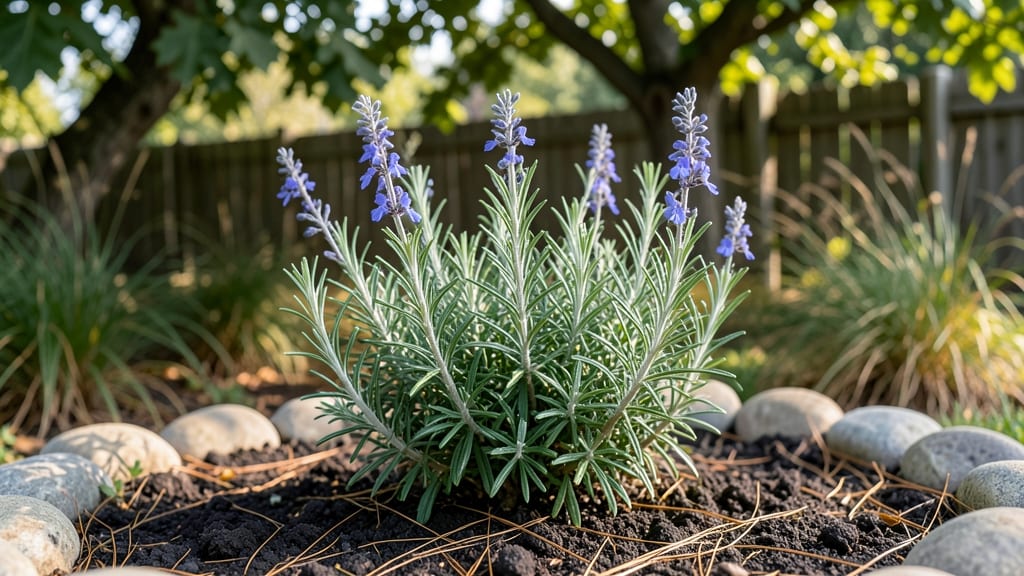
A rosemary plant grows anywhere from 1 to 6 feet tall, depending on the variety and growing conditions—so your choice of cultivar could mean the difference between a bushy patio border and a towering shrub that needs regular trimming.
If you're imagining rosemary as a delicate, low-growing herb, think again—standard varieties like 'Tuscan Blue' can reach 5 to 6 feet when left unpruned, while dwarf types like 'Arp' stay neatly under 2 feet.
That’s a huge range, and getting it right means planning your garden layout (or container size) before planting.
Here’s the good news: rosemary’s height is easy to control with a few simple pruning techniques. Whether you want a bushy, compact plant or a tall, upright shrub, the key is understanding how each variety grows and when to trim.
I’ll break down the exact heights by variety, plus how to keep your rosemary at your ideal size—no matter how much space you have.
Ready to pick the perfect rosemary for your garden? You’ll also discover how to space plants for airflow, the best containers for dwarf varieties, and why some rosemary grows more like a tree than a bush. Let’s get started!


Rosemary plant height by variety: exact growth ranges for common types
If you're planning your herb garden, rosemary's mature height can swing wildly—from just 1 foot for dwarf varieties to towering 6-foot shrubs like Tuscan Blue. This dramatic range means your spacing and container choices should depend entirely on the variety you select.
For example, Arp rosemary stays under 2 feet, perfect for windowsills, while Blue Spires can reach 5 feet in ideal conditions.
Understanding these height differences isn't just about aesthetics—it directly impacts airflow, sunlight access, and even your plant's fragrance intensity. Taller varieties like Rosemary 'Hill Hardy' need 3 feet of clearance to thrive, while prostrate types like Rosemary 'Prostratus' spread wide instead of up, making them ideal for ground cover or trailing in containers.
Here's the key: Rosemary grows as a woody shrub, not a bush, so its height is influenced by pruning habits and natural growth patterns. Without regular trimming, even dwarf varieties can outgrow their space within a year.
The good news? Most rosemary types grow 1-2 feet per year until they reach maturity, giving you time to adjust your garden plan.
Let's break down the exact height ranges for popular rosemary varieties so you can choose the perfect fit for your space—whether that's a 6-inch pot on your balcony or a 3-foot-tall hedge in your garden bed.
When choosing rosemary for containers, container size matters more than variety height. A 5-gallon pot works for Arp or Prostratus, but Tuscan Blue needs at least a 15-gallon container to accommodate its root system.
For garden beds, space upright varieties 3–4 feet apart and prostrate types 2–3 feet apart to prevent overcrowding.
One common mistake is assuming all rosemary grows the same—overcrowding dwarf varieties leads to leggy, sparse growth, while underestimating tall types can block sunlight for nearby plants.
For example, Blue Spires planted too close to a 3-foot fence will struggle to reach its full height, resulting in a weak, woody stem.
Climate plays a role too: rosemary grows taller in warm, dry regions (like USDA Zone 8+) and stays shorter in cooler climates (like Zone 7). If you're in a cooler zone, opt for Hill Hardy—it matures at 2–3 feet even with less heat.
In contrast, Tuscan Blue in Zone 9 can easily hit 5 feet without pruning.
For maximum fragrance and bushiness, prune regularly—even dwarf varieties benefit from light trimming after
How to control rosemary height: pruning tips for bushy growth & preventing woody stems
Rosemary thrives when given the right care, but without proper pruning, it can quickly outgrow its space or develop woody stems that reduce its productivity. The key to maintaining your rosemary at your desired height—whether it's a compact 1-foot bush or a 3-foot shrub—lies in strategic pruning.
I’ve found that regular pruning not only controls height but also encourages denser foliage and stronger fragrance, making your herb garden more vibrant and useful.
Pruning rosemary might seem intimidating, but it’s actually one of the easiest ways to shape your plant. The best time to prune is in early spring or late summer, just before new growth begins.
This timing ensures your rosemary has plenty of energy to recover and produce fresh, fragrant shoots. Avoid heavy pruning in winter, as the plant is dormant and less resilient to stress.
Before you start, gather your tools: a pair of sharp pruning shears or clean scissors, rubbing alcohol (to sterilize tools), and a small container for clippings. You’ll also want to wear gloves—rosemary’s needles can be prickly!
The goal is to remove 1/3 of the plant’s height at a time, never more, to avoid shocking the rosemary. This gradual approach keeps it healthy and encourages bushier growth.
Step-by-Step Rosemary Pruning Guide
- 1 Identify the growth zones: Look for the newest growth at the tips of branches. These are the areas where pruning will encourage fuller growth.
- 2 Make clean cuts: Use sterilized shears to cut just above a leaf node or woody stem. Avoid leaving stubs, as they can attract pests.
- 3 Shape the plant: For a bushier look, trim the outer branches to encourage inward growth. For a taller, upright shape, focus on trimming side branches.
- 4 Remove woody stems: If you notice thick, bare stems, cut them back to the base. This rejuvenates the plant and promotes new, fragrant growth.
- 5 Water and fertilize: After pruning, give your rosemary a deep watering and apply a balanced fertilizer to support recovery and new growth.
One of the biggest mistakes I see gardeners make is pruning too late in the season. If you wait until fall or winter, your rosemary won’t have enough time to recover before dormancy sets in. Instead, plan your pruning sessions around the plant’s natural growth cycles.
For example, if you’re growing Tuscan Blue rosemary, which can reach 5-6 feet tall, you’ll want to prune it more aggressively in early spring to keep it at a manageable height.
For container-grown rosemary, pruning is even more critical because space is limited. If your rosemary starts to outgrow its pot, it’s a clear sign to prune it back by 25-30% to maintain its shape and prevent root-bound stress.
I recommend repotting every 2-3 years to give the roots room to grow, but pruning regularly can delay this need. Always use a pot with drainage holes to prevent waterlogging, which can lead to root rot.
Finally, don’t forget that rosemary clippings are incredibly useful! You can use them in cooking, propagate new plants, or even make rosemary-infused oils. By pruning regularly, you’ll not only control your rosemary’s height but also maximize its productivity and fragrance.
With a little practice, you’ll have a perfectly shaped, bushy rosemary that’s a joy to grow and harvest. ✂️🌿