
Planting
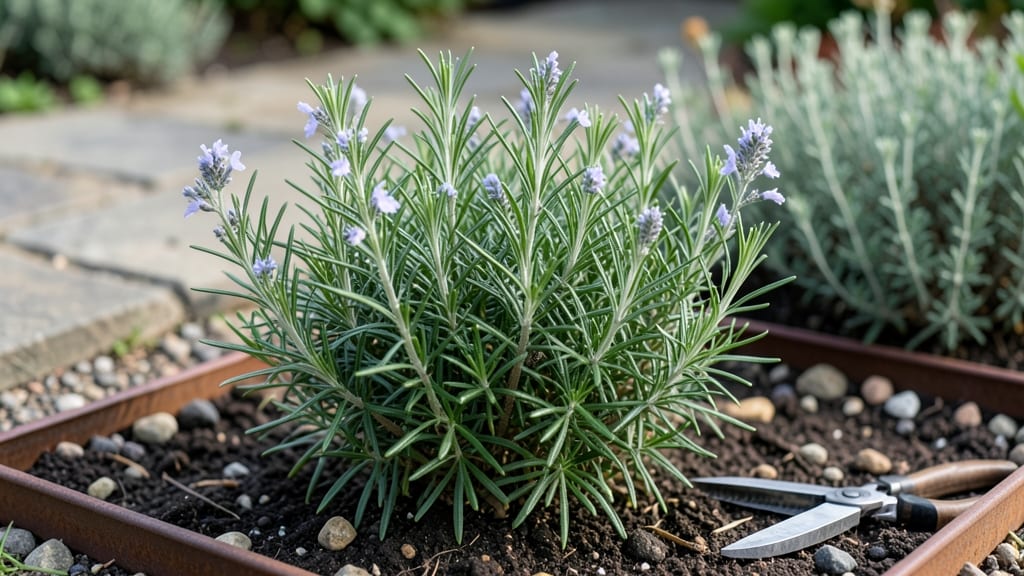
Growing a lavender rosemary plant together is one of those gardening hacks that just works—fragrant, drought-tolerant, and perfect for both bouquets and cooking. ✨ I’ve paired them in containers and garden beds for years, and the combo never fails to impress with its silvery foliage and calming scent.
The key is matching their sunlight and soil needs, which turns out to be shockingly similar once you know the tricks.
Both thrive in full sun (at least 6 hours daily) and well-draining soil—sandy or gravelly mixes work best to prevent root rot. Lavender hates soggy feet, while rosemary’s Mediterranean roots appreciate the same dry conditions.
Plant them 12-18 inches apart in garden beds or together in a 12-inch-wide container for a compact, aromatic duo. Mulch with gravel to keep moisture low and pests away.
Once established, these plants reward you with low-maintenance productivity. Snip rosemary sprigs for seasoning anytime, and harvest lavender buds just before they bloom for sachets or tea.
Prune lightly after flowering to encourage bushier growth—just avoid cutting into old wood, which lavender won’t regrow from. The scent alone makes the effort worthwhile.
This pairing works in USDA Zones 7-10, though rosemary can handle cooler climates if brought indoors. For colder areas, grow rosemary in pots and lavender as an annual.
The best part? They deter pests naturally, so your garden stays healthier—and smells better—without chemicals. Ready to plant your own fragrant pair?
📚 In This Guide
- What you need
- Instructions
- Tips and common mistakes
- Wrapping up and next steps
What you need
- ● Seeds or seedlings: 1 packet of lavender seeds (e.g., English, French, or Spanish lavender—choose based on climate).
- ● 1 packet of rosemary seeds (or 2-3 young rosemary seedlings for faster growth).
- ● Containers or garden bed: 2-4 well-draining pots (6-8 inches wide) or a raised garden bed (12+ inches deep).
- ○ Optional: A dual-planting pot (10+ inches wide) if growing them together.
- ● Soil: 1 bag of well-draining potting mix (avoid heavy clay soil).
- ○ Optional: 1 cup of perlite or coarse sand to improve drainage.
- ● Fertilizer: 1 bottle of balanced organic fertilizer (10-10-10 or similar) or compost.
- ● Tools: 1 pair of gardening gloves (to protect your hands!).
- ● 1 small trowel or hand shovel (for planting).
- ● 1 spray bottle (for gentle watering).
- ○ Optional: A moisture meter to track soil dryness.
- ● Sunlight: A south-facing spot with 6+ hours of direct sunlight daily (lavender and rosemary are sun-lovers!).
- ● Climate: USDA Zones 5-10 (adjust care for colder/hotter regions).
- ● Pro tip: If in Zone 4 or below, grow lavender in containers for winter protection!
- ● Water access: A watering can or hose with a gentle nozzle (avoid overwatering—these herbs hate soggy roots!).
- ● Patience: Seeds take 4-6 weeks to sprout; seedlings grow faster!
Step-by-step guide to growing a lavender rosemary herb duo
Here's how to create a fragrant, functional pairing that thrives together in your garden.
🌱 Step 1: Select and Prepare the Perfect Containers
Choose two 12-inch diameter containers with drainage holes for each plant—lavender and rosemary both hate soggy roots. I like terracotta pots because they breathe and help prevent overwatering. Fill each container with 3 gallons of well-draining potting mix mixed with 1 part perlite to improve aeration.
Press the soil down lightly so it's firm but not compacted. You want roots to spread easily without struggling through dense soil. Tap the container gently on the table to settle everything evenly. This ensures your plants won't experience root rot, which is a common issue with these Mediterranean herbs.
☀️ Step 2: Plant Lavender and Rosemary Together
Lavender and rosemary love each other's company, but they need their own space. Plant one 3-inch lavender plant in its container, placing it about 3 inches from the edge. Rosemary, which is more sprawling, should go in its own container but kept within 6 inches of the lavender when placed side by side. This proximity mimics their natural Mediterranean habitat where they grow near one another.
Dig a hole slightly larger than the root ball, place the plant in, and gently firm soil around the base. Water deeply right after planting to help the soil settle. Avoid watering from above—it can disturb the soil and expose roots. Instead, water at the base to encourage strong root growth.
💧 Step 3: Position for Full Sun and Proper Watering
Both lavender and rosemary thrive in full sun—at least 6-8 hours daily. Place them in a south-facing spot where they'll get plenty of warmth. If you're in a hotter climate, a bit of afternoon shade helps prevent leaf scorch, but morning sun is a must.
Water only when the top inch of soil feels dry. Overwatering is the fastest way to kill these drought-loving plants. I like to use a moisture meter to check soil moisture—it takes the guesswork out of watering. Once established, rosemary can handle slightly drier conditions than lavender, so adjust accordingly.
✂️ Step 4: Prune and Maintain for Lush Growth
Prune lavender after it flowers to encourage bushier growth. Cut back about one-third of the plant right after blooming. Rosemary, on the other hand, benefits from a light trim after it finishes flowering to keep it compact. Use clean, sharp shears to avoid damaging the stems.
Fertilize lightly in early spring with a balanced, low-nitrogen fertilizer—these herbs don't need much. Too much fertilizer leads to leggy growth and weak stems. Mulch around the base with 1 inch of gravel or coarse sand to help retain moisture and keep roots cool in summer.
🌿 Step 5: Harvest and Enjoy Your Dual-Purpose Duo
Harvest lavender when the buds are just about to open for the best fragrance and flavor. Snip stems just above a leaf node to encourage more growth. Rosemary leaves can be harvested year-round, but the best flavor comes from new growth in spring and summer. Cut stems just above a set of leaves to promote bushiness.
Use your lavender in sachets, teas, or dried bundles, and rosemary in cooking, garnishes, or homemade herbal remedies. The combination of their scents creates a calming, aromatic atmosphere that's perfect for both the garden and kitchen.
Tips & tricks for perfect lavender rosemary herb duo
These little details make all the difference when growing your fragrant herb pairing!
Container Selection: Terracotta pots are ideal because they wick away moisture, but if you prefer plastic, make sure it has excellent drainage. I've found that adding a layer of small pebbles at the bottom of the container (before the soil) creates extra drainage space and prevents root rot—especially important for lavender, which is more sensitive to soggy conditions.
Planting Proximity: The 6-inch spacing between containers is perfect for their natural growth habits. Lavender stays compact while rosemary spreads wider, so this arrangement lets them complement each other's growth patterns. For a more dramatic display, you can place them side by side in a larger container with a divider, but keep the same spacing between plants.
Sunlight Strategy: Those 6-8 hours of daily sun are non-negotiable, but here's the secret: if you're in a cooler climate, you can supplement with a grow light for 2-3 hours in the morning to give them that extra boost. I've seen lavender especially benefit from this in my own garden during cloudy spring days.
Watering Wisdom: The "top inch dry" rule works, but I've found using a moisture meter gives more consistent results—especially when comparing the slightly different needs of rosemary and lavender. Water lavender when the top inch feels dry, but wait until the second inch is dry for rosemary. This prevents overwatering while keeping both plants happy.
Pro Tips for Lavender Rosemary Plant
- These little details make all the difference when growing your fragrant herb pairing!
- Container Selection: Terracotta pots are ideal because they wick away moisture, but if you prefer plastic, make sure it has excellent drainage.
- Planting Proximity: The 6-inch spacing between containers is perfect for their natural growth habits.
Frequently asked questions
Got questions about growing and using your lavender rosemary plant? You’re not alone! Here are answers to the most common queries to help you thrive with this aromatic duo.
Can lavender and rosemary grow together in the same pot?
Yes! Both thrive in similar conditions—full sun, well-draining soil, and moderate water. Pair them in a 12-inch+ pot with a mix of potting soil and perlite. Just avoid overcrowding; lavender needs slightly more space.
How long does it take for lavender rosemary plants to mature?
Rosemary typically matures in 6–12 months, while lavender takes 1–2 years to reach full bloom. Patience pays off—harvest rosemary leaves once established, but wait until lavender flowers fully before pruning.
Why is my lavender rosemary plant turning brown?
Brown edges often signal overwatering or underwatering. Check soil moisture—it should stay lightly dry between waterings. Also, ensure 6+ hours of sunlight daily and use a well-draining pot. Too much humidity? Trim affected stems to encourage new growth.
Can I use both lavender and rosemary in cooking?
Rosemary shines in meat dishes, bread, and soups, while lavender adds a floral touch to desserts, teas, and honey infusions. Use sparingly—start with ¼ tsp dried herbs per recipe to avoid overpowering flavors.
What’s a good alternative if I can’t grow lavender rosemary?
Try thyme + oregano (similar care needs) or mint + basil (if you prefer a kitchen-focused combo). Both pair well in pots and culinary uses. For a fragrant twist, French lavender + lemon thyme works beautifully too!
Wrapping up and next steps
Growing a lavender rosemary plant is a fantastic way to elevate your garden and your kitchen—imagine fresh herbs for cooking and fragrant blooms for relaxation! 🌿 With just a little care, you’ll enjoy their dual benefits year after year.
Whether you’re a seasoned gardener or just starting out, this aromatic duo is a rewarding addition to any space.
Ready to dive in? Start by gathering your supplies, choosing the perfect spot, and following the simple steps to plant and nurture your herbs. Your future culinary creations—and calming garden moments—are just a few seeds away! 🌱✨