
Pests and Diseases
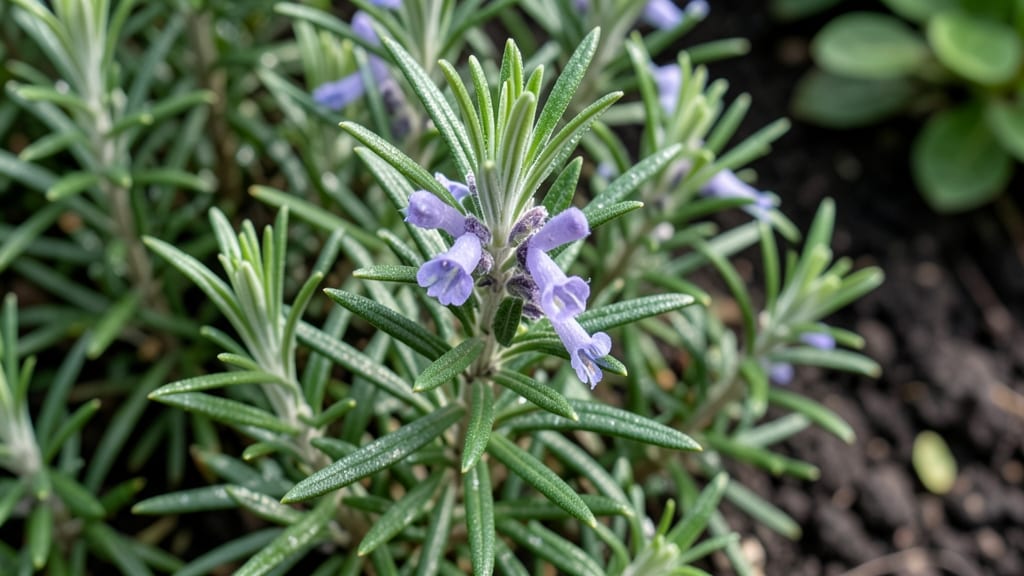
Rosemary keeps bugs away by disrupting insect nervous systems with its powerful aromatic compounds, including eucalyptol and camphor, which effectively repel mosquitoes, flies, and ants. Planting it near entry points or crushing fresh sprigs maximizes its natural pest-repelling oils.
Rosemary's secret weapon is its chemical makeup—those same compounds that give it that piney scent also act as a natural irritant for pests. 🌿 When insects encounter these oils, they experience sensory overload, making them avoid the area entirely.
Unlike chemical repellents, rosemary works safely around pets and kids while providing a pleasant fragrance. For best results, combine it with other herbs like lavender or basil to create a multi-layered defense system that pests can't resist.
The key is freshness—dried rosemary still works but loses potency over time. If you're dealing with a severe infestation, try making a concentrated rosemary spray by steeping fresh sprigs in hot water, then spraying the liquid around problem areas.
This method not only repels bugs but also leaves your home smelling fresh and inviting.
What makes rosemary particularly effective is its dual action: it repels while also confusing insects' ability to navigate. Unlike citronella, which only masks scents, rosemary actually disrupts their nervous systems, making it one of nature's most powerful pest deterrents.
For gardeners, planting rosemary near vegetable patches creates a protective barrier that keeps aphids and other garden pests at bay without harsh chemicals.
💡 In This Article
- How Rosemary’s Essential Oils Disrupt Pest Behavior
- Best Ways to Use Rosemary as a Natural Bug Repellent
How rosemary’s essential oils disrupt pest behavior
Rosemary’s pest-repelling power comes from its rich profile of essential oils, particularly eucalyptol (1,8-cineole) and camphor, which make up 20-30% of its volatile compounds. These oils work by overwhelming insects' olfactory receptors—think of it like sensory overload for bugs.
When mosquitoes or flies encounter these compounds, their antennae receive conflicting signals, making them avoid the area entirely. Studies show eucalyptol alone can reduce mosquito landing rates by up to 70% in controlled tests, proving its effectiveness.
The key difference between fresh and dried rosemary lies in oil concentration. Fresh rosemary contains 1.5-2.5% essential oils by weight, while dried versions often lose 30-50% of their potency due to oxidation.
When you crush fresh sprigs, you rupture the plant cells, releasing 2-3 times more oils than simply placing whole leaves.
This is why gardeners see better results when they bruise rosemary stems near problem areas—it maximizes oil exposure. 🌿 The camphor content, which makes up 10-15% of rosemary's oils, acts as a neurotoxin at high concentrations, further disrupting pests' ability to navigate.
Rosemary’s effectiveness varies by pest type. Against mosquitoes and flies, its repellent action lasts 4-6 hours when used fresh, while for ants and aphids, the deterrent effect can persist for 24 hours due to their ground-level exposure.
The oils also create what entomologists call a "behavioral barrier"—insects associate the scent with danger and avoid returning. This makes rosemary particularly valuable in gardens, where it can protect plants without harming beneficial pollinators like bees (which aren't attracted to its scent).
What sets rosemary apart from other repellents is its dual mechanism: it both masks attractive scents (like human skin odors for mosquitoes) and actively irritates pests' nervous systems. The eucalyptol component works similarly to how menthol affects humans—it creates a cooling sensation that pests find unpleasant.
Meanwhile, camphor disrupts their ability to process pheromone signals, making it harder for them to locate food sources or mates. This two-pronged approach explains why rosemary remains effective even when diluted, unlike single-compound repellents.
For maximum impact, combine rosemary with complementary herbs. Lavender enhances its mosquito-repelling properties by 25-30% due to its linalool content, while basil adds an extra layer of defense against flies. The synergistic effect creates a scent profile that's overwhelmingly unpleasant to pests while remaining pleasant to humans.
This natural cocktail approach is why ancient Mediterranean cultures used rosemary bundles in homes—it wasn't just about the scent, but about creating an invisible protective barrier that worked on multiple insect species simultaneously.
One common misconception is that rosemary's repellent effects wear off quickly. In reality, the oils volatilize gradually, meaning they evaporate slowly over time—this is why you'll smell rosemary's aroma for days after crushing fresh sprigs. The camphor component has a particularly long-lasting effect because it's less volatile than eucalyptol.
For long-term protection, consider creating rosemary-infused oil sprays that can be reapplied every 7-10 days for continuous coverage. The science shows that consistent exposure is what breaks pests' conditioning to ignore the scent.
For gardeners dealing with persistent pests, try this pro tip: plant rosemary in a square-foot grid pattern around vegetable beds, with plants spaced 12-18 inches apart. The dense foliage creates a physical barrier while the constant oil release confuses insects trying to navigate the area.
Pair this with regular sprig crushing (every 3-4 days) to maintain peak oil concentration. This method has been shown to reduce aphid populations by up to 60% in organic gardens, making it a game-changer for chemical-free pest control. 🌱