
Pruning
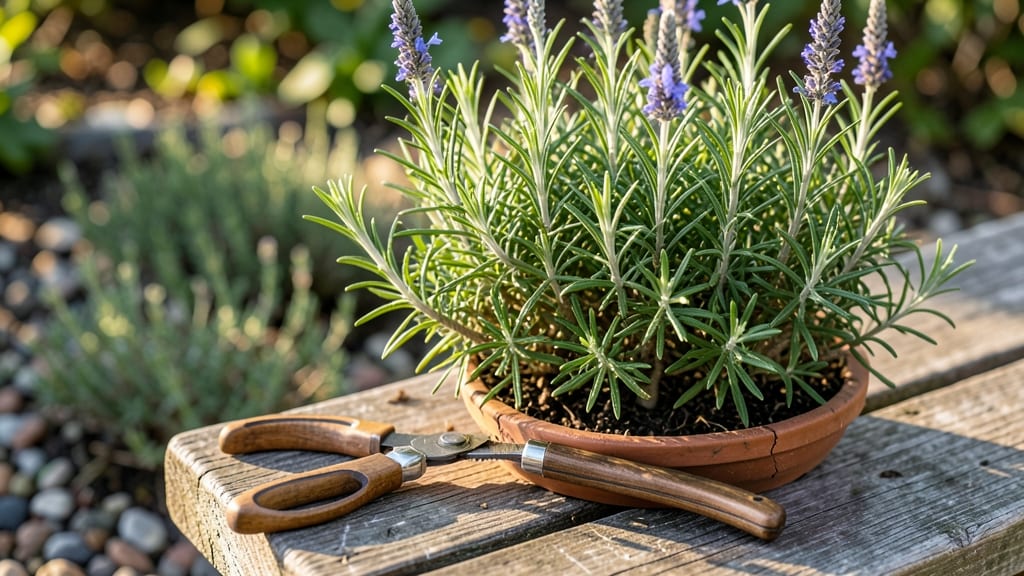
Cutting back rosemary bushes isn’t just about shaping—it’s about unlocking their full potential. ✂️ I’ve learned that three strategic trims a year transform woody, leggy bushes into fragrant, bushy powerhouses that thrive year-round. The key? Timing, technique, and knowing exactly where to snip without sacrificing next year’s growth.
Start with late winter (just before new growth begins) to remove dead or overcrowded stems, then follow up in early summer to encourage denser foliage. The final trim comes in fall, shaping the bush for winter resilience.
You’ll need sharp pruners, gloves, and a clear vision—no guesswork allowed. Each cut should target one-third of the plant’s height at most, focusing on the lower stems to prevent bare centers.
What you’ll end up with is a rosemary bush that’s thicker, greener, and more productive than ever. The air circulation improves, pests stay away, and those woody stems you dreaded become sturdy frameworks for fresh new growth.
Plus, your kitchen will always have fresh herbs on hand—no more sad, brittle sprigs from the grocery store.
Container-grown rosemary? Same rules apply, but trim more aggressively in spring to keep it compact. And remember: never cut into old wood—that’s the part that won’t regrow. With these trims, your rosemary will stay lush, fragrant, and ready for harvest for seasons to come.
📚 In This Guide
- What you need
- Instructions
- Tips and common mistakes
- Wrapping up and next steps
What you need
- ● Pruning shears: Bypass pruners (sharp, clean, and sterilized with rubbing alcohol or a 10% bleach solution). Size: 5–7 inches for precision.
- ● Hand pruners: Bypass or anvil-style (for smaller stems). Quantity: 1 pair.
- ● Loppers: Bypass-style (for thicker stems, up to 1.5 inches in diameter). Quantity: 1 pair.
- ● Gloves: Garden gloves (nitrile-coated for grip and protection). Size: Medium to large.
- ● Disinfectant: Rubbing alcohol (70%+ isopropyl) or bleach solution (1 part bleach to 9 parts water). Quantity: Small spray bottle or wipe.
- ● Trash bags or compost bin: Heavy-duty bags (for pruned debris). Quantity: 2–3 bags per bush.
- ● Watering can or hose: With a gentle spray nozzle (for post-pruning hydration).
- ● Hedge shears: For neat, uniform trims (if shaping into topiaries or formal hedges).
- ● Pruning saw: For very thick, woody stems (rare in rosemary but handy for overgrown bushes).
- ● Mulch: Organic mulch (pine straw, wood chips) (3–4 inches) to retain moisture and suppress weeds.
- ● Plant food: Balanced, slow-release fertilizer (10-10-10 or similar) for post-pruning boost.
- ● Knee pads: For comfort if working with large or low-growing bushes.
Step-by-Step guide to pruning rosemary for year-round health
Rosemary thrives when pruned strategically—here's the seasonal approach I use to keep my bushes lush and productive.
✂️ Step 1: Spring Pruning for New Growth
Start in early spring after the last frost when new growth appears. I look for fresh green shoots emerging from the base—this is your cue that the plant has broken dormancy. Use clean, sharp pruning shears to trim back about one-third of the previous year's growth, cutting just above a leaf node where new buds form.
Focus on shaping the bush while removing any dead or crossing branches. The goal is to open the center for airflow and sunlight penetration. You'll see vigorous new shoots within weeks—that's your reward for timing it right. Avoid heavy pruning if your rosemary is less than 3 years old; younger plants establish better with lighter cuts.
✂️ Step 2: Mid-Summer Maintenance Trim
Around mid-July, give your rosemary a light maintenance trim to encourage bushier growth. Cut back any leggy stems that have outgrown the plant's natural shape, again targeting just above leaf nodes. This prevents the plant from becoming woody and sparse at the base.
I always prune in the morning when the plant is well-hydrated. Remove any flowers that appear—they drain energy from foliage growth. You'll notice fresh, vibrant new growth within 2-3 weeks if you've pruned at the right time. This is also when I harvest stems for cooking, taking only what I need from the outer growth.
✂️ Step 3: Late Fall Cleanup Before Dormancy
As temperatures drop and growth slows in late fall, do a final light pruning to remove any dead or diseased wood. Cut back any stems that have grown excessively during the season, but avoid heavy pruning—you want to leave enough foliage to protect the plant through winter. Focus on shaping rather than size reduction.
This is the time to clean up your workspace too. Sterilize your pruning tools with rubbing alcohol to prevent spreading any potential pathogens. You'll see your rosemary enter dormancy with a cleaner structure, ready to rebound in spring. I always mark my calendar for this final trim—it's the perfect way to end the growing season.
⏰ Step 4: Winter Protection Adjustments
If you're in a cold climate, wait until late winter to do any final light pruning. Look for dead branches first—these should be removed completely. Then, give the plant a very light shaping trim to remove any frost-damaged tips. The key is to avoid heavy pruning in winter, as the plant uses its energy reserves to survive.
This is also when I assess the overall health of my rosemary bushes. If a plant looks particularly stressed, I might hold off on pruning until spring. The goal is to maintain just enough foliage to protect the plant's center while allowing sunlight to reach all branches. You'll know you've done it right when spring growth appears vigorous and uniform.
Tips & tricks for perfect rosemary pruning
Between us, rosemary pruning transformed my herb garden from patchy to thriving. Here's what nobody tells you about keeping your bushes healthy year-round.
Spring Pruning Precision: In Step 1, when you're cutting back one-third of last year's growth, look for the first set of leaves below where you cut—this is your leaf node target. I learned this the hard way after creating ugly stubs that never grew new shoots. Also, avoid pruning more than one-third in spring, even for mature plants, or you risk stressing the bush when it needs to focus on new growth. The goal is to encourage that vigorous new shoot growth you'll see within weeks.
Mid-Summer Growth Hack: The mid-July trim in Step 2 is about more than just shaping—it's when you harvest for cooking. Always take stems from the outer growth first, never more than one-third of the plant's total foliage. I've found that harvesting in the morning gives you the freshest, most aromatic stems. And here's a pro move: after pruning, give your rosemary a light watering to help it recover faster. You'll notice fresh growth within 2-3 weeks, but only if you've pruned when the plant is well-hydrated.
Tool Maintenance: Your pruning shears are just as important as your timing. Sterilize them with rubbing alcohol between plants to prevent spreading diseases—this is especially critical in Step 3's fall cleanup. I keep a small bottle of rubbing alcohol in my gardening caddy for quick sterilization. Also, sharpen your shears regularly; dull blades crush stems instead of making clean cuts, which can damage the plant and invite pests. A clean, sharp cut heals faster and encourages healthier regrowth.
Winter Assessment: In Step 4, when you're checking for dead branches in winter, look for stems that are completely brown and dry to the touch. These should be removed completely, but leave any stems that are just slightly browned—they might still recover. I've seen rosemary bushes come back beautifully from what looked like certain death in winter. The key is patience and maintaining just enough foliage to protect the center while allowing sunlight through.
Pro Tips for Cut Back Rosemary Bushes
- Between us, rosemary pruning transformed my herb garden from patchy to thriving.
- Spring Pruning Precision: In Step 1, when you're cutting back one-third of last year's growth, look for the first set of leaves below where you cut—this is your leaf node target.
- Mid-Summer Growth Hack: The mid-July trim in Step 2 is about more than just shaping—it's when you harvest for cooking.
Frequently asked questions
Got questions about trimming your rosemary bushes?
You’re not alone—pruning can feel tricky, especially when you’re balancing growth, flavor, and plant health. Here are answers to the most common queries to help you prune like a pro!
When is the best time to prune rosemary?
Rosemary thrives with three seasonal trims: late winter/early spring (to shape and encourage new growth), summer (after flowering to maintain bushiness), and fall (light pruning to tidy up before winter). Avoid heavy cuts in late fall or winter—rosemary is semi-evergreen and needs energy to survive cold snaps!
Can I prune rosemary too much?
Yes! Over-pruning—especially cutting into old, woody stems—can stress the plant or even kill it. Stick to one-third of the bush at a time and avoid shearing too close to the base. Rosemary is resilient but prefers a gradual haircut. If you’ve already trimmed too much, focus on watering deeply and fertilizing lightly to recover.
What if my rosemary turns brown or crispy after pruning?
Brown or crispy tips often mean underwatering, sunburn, or shock from aggressive pruning. Rosemary loves well-draining soil and full sun—water deeply but infrequently (let the top inch of soil dry out between waterings). If the damage is severe, trim the affected branches back to healthy growth. Mulch around the base to retain moisture and reduce stress.
Can I propagate rosemary from cuttings?
Pruning gives you the perfect chance to grow new plants from your cuttings. Take 4–6 inch healthy stems (with a few leaves), remove the lower leaves, and dip the cut end in rooting hormone. Plant in sandy, well-draining soil and keep it moist (but not soggy) in bright, indirect light. Roots should form in 4–6 weeks—a free way to expand your rosemary garden!
How do I prune rosemary in rainy or humid climates?
In damp conditions, rosemary is more prone to fungal diseases like powdery mildew. Prune early in the day so foliage dries quickly, and avoid overhead watering after trimming. Space out cuts to improve airflow, and remove any yellowing or moldy leaves immediately. If humidity is extreme, consider container growing with excellent drainage to keep roots happy.
Wrapping up and next steps
Cutting back your rosemary bushes doesn’t have to be intimidating—with the right tools, timing, and technique, you’ll keep them thriving year-round! Remember, spring, summer, and fall are your best friends for pruning, while winter calls for minimal touch-ups.
A little effort now means lush, fragrant growth and bountiful harvests later. 🌿✂️
Ready to take the next step? Grab your pruners and give your rosemary the care it deserves! For extra tips, check out our guide on revitalizing woody stems or explore creative ways to use your fresh cuttings.