
Light Requirements
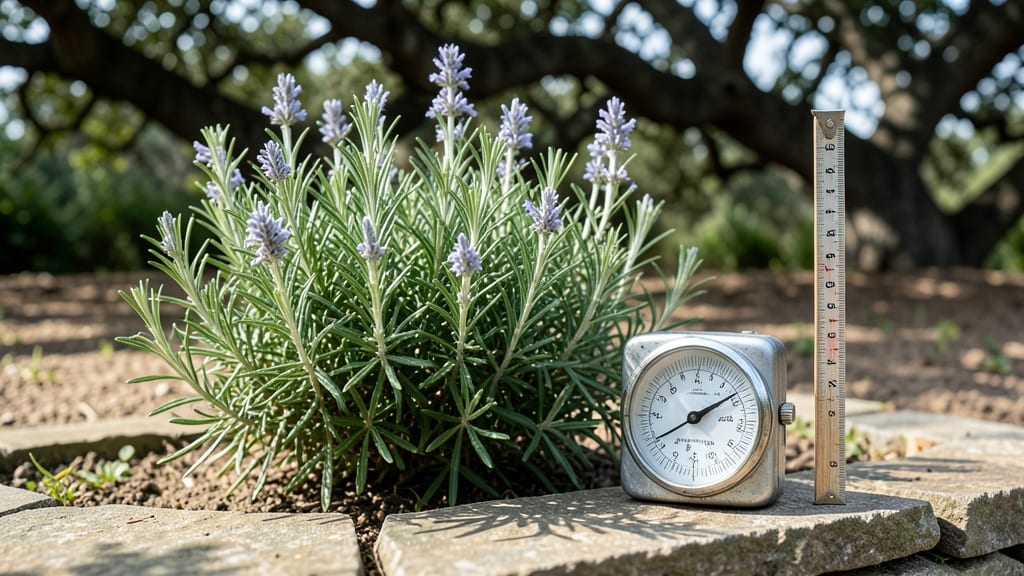
Wondering how much light does rosemary need? It thrives with at least 6 hours of direct sunlight daily, earning its place as one of the sunniest herbs in your garden 🌿.
Struggling to keep your rosemary plant alive? The secret might be simpler than you think—rosemary thrives under specific light conditions that most gardeners overlook.
Too little light, and you’ll end up with leggy, sparse stems that never develop their signature piney aroma. Too much, and those same leaves can crisp up like overcooked fries. The trick is finding that sweet spot where rosemary stays lush, fragrant, and ready for your next Mediterranean dish.
In this guide, I’ll break down exactly how much light rosemary craves, how to spot when it’s getting too much or too little, and even how to hack extra brightness for indoor plants.
Whether you’re growing it in a sunny window or a full sun garden bed, you’ll learn the exact conditions that turn your rosemary into a flourishing, flavor-packed powerhouse.

Ideal sunlight requirements for rosemary growth and health
Rosemary isn't just another herb—it's a sun-worshipping Mediterranean native that demands bright, direct light to thrive. Unlike shade-tolerant herbs like parsley, rosemary's growth, aromatic oil production, and flavor all depend on intense sunlight exposure.
Without enough light, you'll notice weak stems, pale leaves, and a loss of that signature piney fragrance we all love.
The minimum requirement for rosemary is 6 hours of full sun daily, but in most climates, 8-10 hours yields the best results. This Mediterranean shrub evolved under harsh, sunny conditions, making it far more resilient to heat than to insufficient light.
Even partial shade can trigger problems like leggy growth and reduced essential oil content, which is what gives rosemary its culinary and medicinal value.
Here's why sunlight matters so much for rosemary: Photosynthesis efficiency in rosemary increases dramatically with more light, leading to higher essential oil production (up to 30% more in full sun).
The flavor compounds that make rosemary so prized—like camphor and pinene—are also light-dependent. Even the plant's physical structure benefits, with thicker stems and more compact growth under optimal light.
Now, let's break down exactly what rosemary needs in terms of sunlight, including seasonal adjustments and how to adapt care based on your climate or indoor setup.
In hot climates (USDA Zones 8-10), rosemary benefits from morning sun and afternoon shade to prevent heat stress, though it will still perform well with full sun if given extra water.
The key is ensuring the plant gets bright light intensity rather than just duration—rosemary can handle intense midday sun better than diffused light.
For cooler climates (Zones 6-7), aim for full sun exposure year-round if possible. In winter, when daylight hours drop below 6 hours, supplement with a grow light for 4-6 hours daily to maintain health.
Without this extra light, rosemary may become leggy and sparse, with reduced fragrance and flavor.
Indoor rosemary presents unique challenges. A south-facing window provides the best natural light, but even there, light intensity drops significantly compared to outdoor conditions. To compensate, place your rosemary within 1-2 feet of the window and rotate the pot quarter-turns weekly to prevent uneven growth.
For windows facing east or west, supplemental grow lights become essential.
Light intensity also affects rosemary's essential oil production. Studies show that plants grown under high-intensity light (like full sun) produce 20-30% more essential oils than those in partial shade. This means your homegrown rosemary will not only grow better but also taste more potent when given optimal light conditions.
The flavor compounds responsible for rosemary's piney, camphoraceous notes develop best under bright light.
If you're growing rosemary in containers, light needs remain the same, but soil temperature becomes a factor. Dark-colored pots absorb more heat, which can stress rosemary in full sun. Opt for light-colored or terracotta pots to reflect excess heat while still
Signs your rosemary isn’t getting enough (or too much) light
Rosemary is a sun-worshipper, and when it doesn’t get enough light, it sends clear distress signals like yellowing leaves or stretched-out stems. These signs mean your plant is reaching for sunlight, but if you push it too far with intense afternoon sun, you’ll see brown crispy tips instead.
The key is finding that golden balance—6 to 8 hours of bright light daily keeps rosemary happy and fragrant.
First, check your rosemary’s leaf color. Pale or yellowing leaves are the plant’s way of saying, “I need more light!” This often happens in indoor setups with north-facing windows or shady garden spots.
On the flip side, dark brown or white patches on leaves mean your rosemary is getting too much direct sun, especially during peak summer heat.
Here’s the breakdown of what to watch for and how to fix it:
Rosemary Light Needs: Pros & Cons
✅ Enough Light (6-8 Hours)
- ✔ Deep green leaves (vibrant color)
- ✔ Compact growth (not leggy)
- ✔ Strong aroma (fragrant leaves)
- ✔ Healthy stems (woody texture)
❌ Too Little Light (<4 Hours)
- ✖ Yellowing leaves (chlorosis)
- ✖ Leggy growth (stretched stems)
- ✖ Weak aroma (mild scent)
- ✖ Slow growth (stunted)
⚠️ Too Much Light (>10 Hours Direct)
- ⚠️ Brown leaf tips (crispy edges)
- ⚠️ Wilting (even with water)
- ⚠️ Bleached spots (sunburn)
- ⚠️ Premature flowering (weak growth)
💡 Fixes for Light Issues
- 🔹 Move to south-facing window or sunniest spot
- 🔹 Use grow lights (12-14 hrs/day for indoors)
- 🔹 Rotate pots weekly for even light
- 🔹 Provide afternoon shade in hot climates
If your rosemary is suffering from light deprivation, move it to a sunnier location immediately. For indoor plants, a south-facing window is ideal, but if that’s not an option, grow lights can save the day.
I’ve had great success with LED grow lights placed 6-12 inches above the plant for 12-14 hours daily.
For too much sun, provide afternoon shade using a light sheer curtain or move potted rosemary to a spot with morning sun only. Mulch the soil to help retain moisture, which reduces stress from intense light.
If you notice sunburned leaves, trim them back to encourage new growth in cooler, gentler conditions.
Remember, rosemary is drought-tolerant but not heat-tolerant when it comes to light. The goal is bright, indirect light for most of the day, not scorching afternoon rays. With the right balance, your rosemary will reward you with lush, fragrant foliage all season long.