
Planting
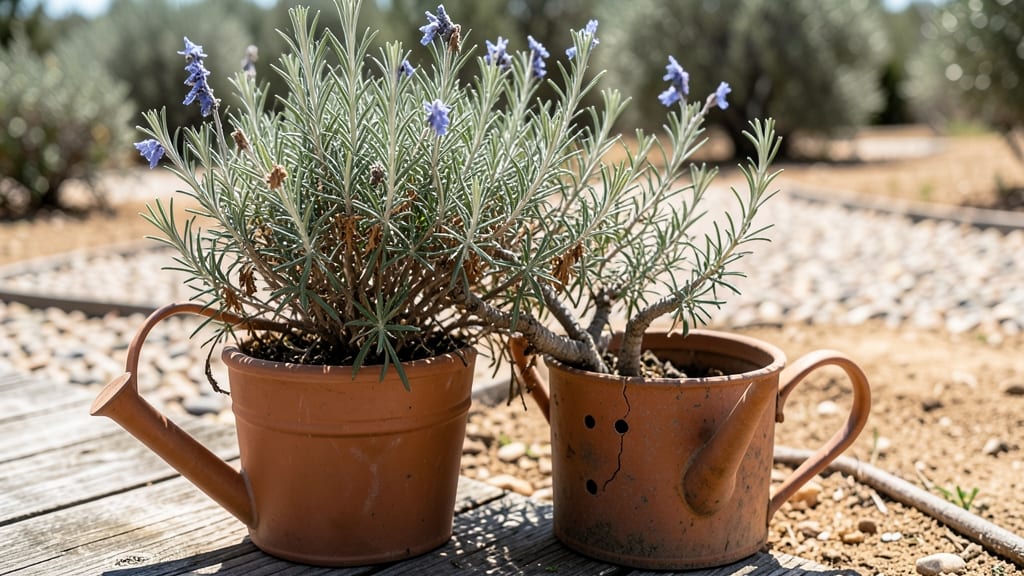
Your rosemary plant drying out doesn’t mean it’s dead—it just needs a reset. 🌿 I’ve nursed back more than a few woody stems, and the secret isn’t complicated: rosemary hates soggy feet but won’t tolerate drought either.
The good news? You can bring it back in 3 simple steps without losing your favorite herb forever.
First, check the soil—it’s the real culprit. Stick your finger 1-2 inches deep: if it’s bone-dry, you’ve been underwatering; if it’s still damp after a week, you’ve been overwatering.
Rosemary thrives in well-draining soil and full sun, so if your plant’s in a shady spot or a heavy pot, that’s why it’s struggling. The fix? Adjust watering, prune dead stems, and move it to a sunnier location.
Once you’ve got the basics right, focus on long-term care. Amend the soil with sand or perlite to improve drainage, and water only when the top 1 inch feels dry. Prune back any crispy branches to encourage fresh growth—your rosemary will bounce back stronger than ever.
Within 2-4 weeks, you’ll see new shoots pushing through, and that piney, fresh scent will be back in your kitchen.
This works for both potted and in-ground rosemary, whether you’re dealing with a black thumb or just forgot to water. The key is patience—rosemary’s tough once you give it the right conditions. Here’s how to keep it thriving for years to come.
Root Causes Of Wilted Rosemary
Understanding why your rosemary plant is drying out starts with identifying the hidden triggers that disrupt its natural balance. Rosemary (Rosmarinus officinalis) is a hardy Mediterranean herb, but even resilient plants like this can struggle when their core needs aren’t met.
Let’s break down the science-backed reasons behind wilting leaves and brittle stems—so you can pinpoint the issue and take action.
Rosemary thrives in well-draining soil and hates soggy roots. When water pools around the roots for too long, it triggers anaerobic conditions—where oxygen is depleted and harmful bacteria like Pythium or Phytophthora take over.
This causes: - Root rot (brown, mushy roots) - Stunted growth (plant stops absorbing nutrients) - Yellowing leaves (chlorosis from oxygen deprivation)
Why it happens: Rosemary’s native habitat is arid cliffs and rocky terrain, where water drains quickly. Potted rosemary in standard garden soil (which retains moisture) mimics a swampy environment. Even if you’re watering lightly, compacted or clay-heavy soil traps excess water, suffocating roots.
Actionable fix:
- Test your soil: Stick your finger 2 inches deep—if it’s damp, wait to water.
- Upgrade the pot: Use terracotta or fabric pots (breathable materials) with drainage holes.
- Amend soil: Mix in perlite, sand, or pumice (20-30%) to improve aeration.
While rosemary tolerates drought, prolonged neglect forces it into survival mode. When soil dries out completely, roots shrink and lose function, leading to:
- Crispy, papery leaves (cell dehydration)
- Drooping stems (water pressure loss)
- Premature leaf drop (plant conserves energy)
Why it happens: Rosemary’s deep taproot (up to 3 feet!) needs consistent moisture in its native climate, but intense heat + dry air (common in summer) accelerates evaporation. If you’re watering only when leaves wilt, you’re often too late—roots may already be damaged.
Actionable fix:
- Water deeply but infrequently: Soak the soil until water runs out the drainage hole, then wait until the top 1-2 inches are dry (usually every 7-10 days).
- Mulch lightly: Use gravel or coarse sand (not organic mulch) to retain heat and reduce evaporation.
- Morning watering: Avoid evening watering to prevent fungal growth from prolonged leaf moisture.
Rosemary is sun-loving, but extreme conditions—like scorching heat, cold snaps, or windburn—can shock the plant into dormancy or dehydration.
Common stressors include: - Sudden temperature drops (below 20°F/-7°C) → Cell damage from frost. - High humidity + poor airflow → Fungal infections (e.g., powdery mildew) clog stomata (leaf pores), blocking water uptake. - Direct afternoon sun → Leaf scorch (brown, crispy edges) from excessive transpiration.
Why it happens: Rosemary’s waxy leaves are adapted to bright, dry conditions, but modern urban gardens often have microclimates that don’t match its needs. For example:
- Indoor rosemary near AC vents or heaters loses moisture faster.
- Outdoor pots in shaded spots (like under trees) get less light but still lose water through transpiration.
Actionable fix:
- Move to partial shade if temps exceed 90°F (32°C)—use dappled sunlight or a light shade cloth.
- Group pots together to create a humidity buffer (but ensure airflow to prevent mold).
- Hardening off: If bringing rosemary indoors, acclimate it gradually to avoid temperature shock.
Rosemary prefers lean, mineral-rich soil but suffers when soil is over-fertilized or depleted.
Key deficiencies that cause wilting: - Lack of magnesium → Yellow patches between leaf veins (chlorosis), reducing photosynthesis. - Low calcium → Weak cell walls, leading to blossom-end rot (brown, dried leaf tips). - Excess salts (from tap water or synthetic fertilizers) → Osmotic stress, where roots can’t absorb water.
Why it happens:
- Over-fertilizing (especially with nitrogen) promotes soft, waterlogged growth that collapses when stressed.
- Peat-heavy soils break down over time, losing structure and nutrients.
- Tap water with high minerals (like chlorine or fluoride) builds up in soil, creating a salty barrier around roots.
Actionable fix:
- Flush the soil: Water heavily with rainwater or distilled water to leach out excess salts.
- Use balanced fertilizer: Opt for a low-nitrogen, high-potassium formula (e.g., 5-10-10) once in spring.
- Boost magnesium: Add Epsom salt (1 tbsp per gallon of water) monthly in growing season.
Hidden invaders like aphids, spider mites, or root-knot nematodes drain sap and disrupt water transport. Signs include:
- Sticky residue (honeydew from aphids)
- Fine webbing (spider mites)
- Galls or knots on roots (nematodes)
Why it happens: Rosemary’s aromatic oils usually repel pests, but stressed plants (from over/underwatering) become easier targets. Pests block stomata or damage xylem vessels, which are the plant’s water highways.
Actionable fix:
- Inspect leaves under a magnifying glass for tiny insects or eggs.
- Spray with neem oil (1 tsp per quart of water) weekly for prevention.
- Encourage predators: Release ladybugs or lacewings to control aphids naturally.
Reviving Your Wilted Rosemary
If your rosemary plant is drying out, don’t panic—it’s often a fixable issue! The key is identifying the root cause (literally and figuratively) and taking targeted action. Below, we break down practical solutions for the most common culprits, plus prevention tips to keep your herb thriving long-term.
Signs: Yellowing leaves, mushy stems, or a foul smell at the base.
How to Fix It:
- 🔥 Let It Dry Out
- Stop watering immediately and allow the soil to dry completely. Rosemary hates soggy roots!
- If the pot has no drainage holes, transfer the plant to a new container with drainage.
- 🍳 Repot with Fresh Soil
- Use a well-draining potting mix (like cactus or succulent soil) blended with perlite or sand.
- Gently remove the plant, trim any blackened roots, and replant in the new mix.
- ⏰ Adjust Your Watering Schedule
- Water only when the top 1–2 inches of soil are bone-dry (usually every 1–2 weeks, depending on climate).
- Pro Tip: 💡 Water at the base, not overhead, to prevent fungal issues.
Prevention:
- Choose pots with drainage holes and avoid saucers that trap water.
- Group rosemary with drought-tolerant plants to mimic its natural Mediterranean habitat.
Signs: Crispy, brown leaf edges, drooping stems, or soil pulling away from the pot walls.
How to Fix It:
- 👨🍳 Hydrate Deeply
- Soak the pot in water for 10–15 minutes, then let it drain thoroughly. Repeat until water runs out the bottom.
- For severe dehydration, submerge the entire pot in water for 30 minutes to revive roots.
- 🌡️ Provide Shade & Humidity
- Move the plant to a spot with bright, indirect light (morning sun is ideal).
- Mist the leaves lightly once a week or place a tray of pebbles with water nearby to increase humidity.
- ✨ Trim Damaged Foliage
- Snip off brown, crispy leaves to redirect energy to healthy growth. Use clean scissors for a precise cut.
Prevention:
- Mulch with gravel (not organic mulch) to retain moisture without suffocating roots.
- Water in the early morning to reduce evaporation.
Signs: Wilting despite proper watering, stunted growth, or leaves curling inward.
How to Fix It:
- 🏡 Relocate for Stability
- Move the plant to a sheltered spot (e.g., near a fence or indoors by a sunny window).
- Avoid drafty areas like near AC units or open windows in winter.
- 🔪 Prune for Resilience
- Trim back overly leggy or damaged stems to encourage bushier, stronger growth.
- Focus on new green shoots—these are your plant’s recovery signal.
- 🌿 Fertilize Lightly (If Needed)
- Use a balanced, diluted fertilizer (half-strength) every 4–6 weeks in spring/summer to boost recovery.
- Avoid fertilizing if roots are still stressed from overwatering.
Prevention:
- Group plants together to create a microclimate that retains moisture.
- Use a windbreak (like a lattice or trellis) if growing outdoors in exposed areas.
Signs: Sticky residue, holes in leaves, or white webbing (spider mites), or white powdery spots (powdery mildew).
How to Fix It:
- 🔪 Isolate & Inspect
- Remove the rosemary from other plants to prevent spread.
- Check undersides of leaves for pests—use a magnifying glass if needed.
- 🍳 Treat Naturally
- For pests: Spray with neem oil (mix 1 tsp with 1 quart water + a drop of dish soap) or soapy water (1 tsp mild soap per quart).
- For mildew: Wipe leaves with a 1:1 water-vinegar solution or apply baking soda spray (1 tsp baking soda + 1 quart water + a drop of soap).
- 🌿 Boost Plant Immunity
- After treatment, water at the base (not leaves) to keep foliage dry.
- Pro Tip: 💡 Place a garlic spray (blended garlic + water) nearby as a natural repellent.
Prevention:
- Inspect new plants before bringing them indoors.
- Space plants properly (rosemary needs airflow) to reduce humidity-related diseases.
Once your rosemary is back on track, keep it happy with these easy maintenance habits:
- 📅 Prune regularly (every 3–4 months) to encourage dense growth.
- 🌞 Rotate the pot occasionally for even sunlight exposure.
- 🌿 Harvest wisely—cut stems just above a leaf node to stimulate new growth.
With the right care, your rosemary will bounce back stronger than ever—ready to flavor your dishes and fill your home with that fresh, piney aroma! 🌿✨
Frequently asked questions
Why does my rosemary look dried out even when I water it regularly?
Overwatering is often the culprit! Rosemary thrives in well-draining soil and hates soggy roots. If water pools at the bottom of the pot or the soil stays damp for more than a few days, roots suffocate and can't absorb moisture. Check if your pot has drainage holes and consider repotting with a mix of cactus soil and perlite to improve airflow.
Can I save a rosemary plant that's completely dried out and crispy?
Sometimes! If the stems are still firm (not brittle) and the base shows green underneath, there's hope. Trim back all dead growth, then soak the pot in water for 30 minutes to revive the roots. Move it to bright, indirect light and mist the leaves daily until you see new growth. Patience is key—it may take 2-4 weeks to bounce back.
What's the best way to tell if rosemary needs water?
Stick your finger 1-2 inches into the soil—if it feels bone-dry, it's time to water. Rosemary prefers infrequent, deep watering rather than frequent light drinks. For potted plants, wait until the top 1 inch of soil is dry (usually every 7-10 days in summer). Tap the pot gently—if it feels light, it's thirsty!
Will pruning help a drying rosemary plant recover?
Pruning stimulates new growth by redirecting energy to healthy stems. Use clean scissors to trim back dead, brown stems and any leggy growth. Cut just above a leaf node to encourage bushier regrowth. For severely damaged plants, prune back by 1/3 to encourage a fuller recovery. Just avoid cutting into woody stems—focus on green growth only.
Can I use tap water for my rosemary?
It depends on your water quality. If your tap water is hard or chlorinated, it can build up salts in the soil over time, preventing roots from absorbing moisture. For best results, use rainwater or distilled water, especially in areas with high mineral content. If you must use tap water, let it sit out for 24 hours first to allow chlorine to evaporate.