
Shrubs
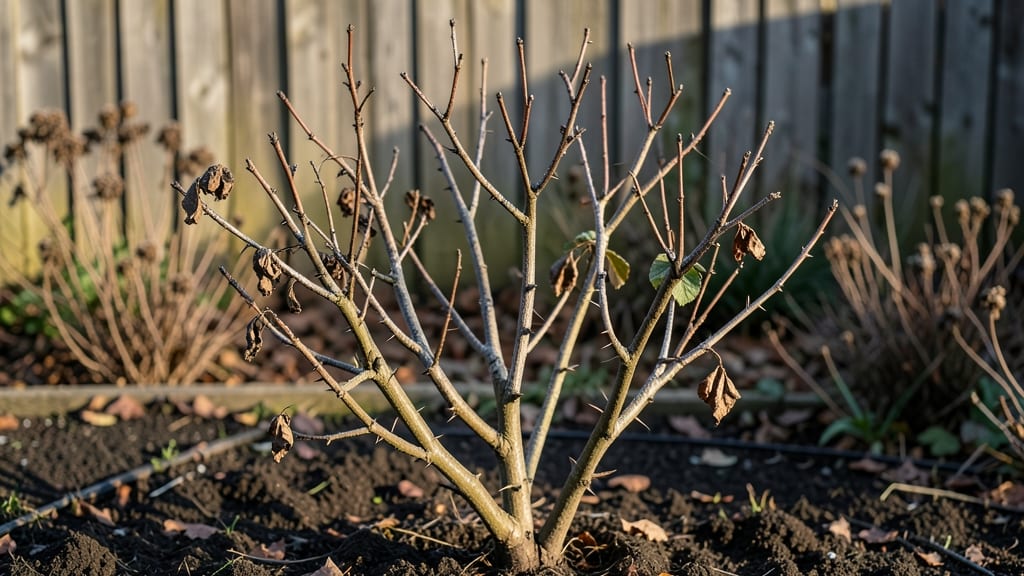
If your rose bush now resembles those pictures of dead rose bushes you’ve seen online, don’t panic—it’s often fixable. I’ve revived bushes that looked just as hopeless by checking for soft stems (disease) versus hollow centers (pests) or cracked bark (freeze damage).
Most dead-looking roses are actually dormant or suffering from one of three culprits: overwatering (mushy stems), powdery mildew (white fuzz), or beetle skeletons. Grab a pair of pruners and cut back to healthy green wood—you’ll often find new growth hiding beneath the damage.
The key is cutting at a 45-degree angle just above a leaf node where buds form. By late spring, those same canes will burst with vibrant green shoots if you’ve removed the problem.
I’ve seen bushes go from 90% dead to fully revived in just 6 weeks with proper pruning and fungicide. The worst part? Most “dead” roses just need a haircut and a little TLC. This works for hybrid teas, floribundas, and even old garden roses.
Let’s turn that skeleton into a showstopper again—starting with the right cuts and care.
Root Causes Of Rose Bush Decline
Watching your once-vibrant rose bush wither into a sad, brown skeleton is heartbreaking—but understanding the science behind it is the first step to revival. Dead or dying rose bushes rarely succumb to a single factor; instead, they’re usually the victim of a perfect storm of environmental stress, neglect, or disease.
Below, we break down the most common culprits, backed by science, so you can diagnose—and fix—the problem before it’s too late.
Roses are thirsty but sensitive—they need consistent moisture, but their roots hate soggy soil or drought. Here’s why imbalance kills them:
- Overwatering: Roses thrive in well-draining soil (pH 6.0–6.5). When roots sit in waterlogged conditions, they suffocate from lack of oxygen, leading to root rot (a fungal infection like Phytophthora). Symptoms? Yellowing leaves, blackened stems, and a foul, mushy smell at the base.
- Underwatering: Roses need 1–2 inches of water per week (more in heat). Without it, leaves curl, stems weaken, and the bush wilts permanently. Chronic drought also stresses the plant, making it vulnerable to pests like spider mites.
- Inconsistent watering: Fluctuating moisture levels cause osmotic shock, where roots struggle to absorb nutrients. This leads to leaf scorch (brown, crispy edges) and stunted growth.
💡 Pro Tip: Test soil moisture by sticking your finger 2 inches deep—if it’s dry, water deeply. Use a soaker hose or drip irrigation to deliver water slowly and evenly at the root zone (not the leaves).
Roses are sun-lovers, but extreme conditions can fry them. Here’s how:
- Too Much Sun (Heat Stress): In zones 7–10, afternoon sun (especially in summer) can scorch leaves (white/yellow patches, crispy edges). High temperatures also increase transpiration (water loss), dehydrating the plant faster than roots can replace it.
- Frost or Freeze Damage: Most roses die back to bare stems in winter, but sudden freezes (<32°F) can kill cambium layers (the growth tissue under bark), leading to blackened canes and no new growth in spring.
- Wind Burn: Strong winds desiccate leaves (dry them out) and break stems. Roses in exposed areas often show brown, papery leaf edges.
🎯 Fix It:
- Provide afternoon shade in hot climates (use shade cloth, not dense foliage, which traps humidity and encourages disease).
- Mulch heavily (3–4 inches of wood chips or straw) to insulate roots in winter.
- Plant roses sheltered from wind (e.g., near a fence or wall).
Diseases like black spot, powdery mildew, and canker don’t just disfigure roses—they strangle them. Here’s how:
| Disease | How It Attacks | Tell-Tale Signs |
|---|---|---|
| Black Spot (Diplocarpon rosae) | Fungus spores infect leaves through stomata (pores), blocking photosynthesis. It spreads via splashing water or wind. | Dark circular spots with yellow halos; leaves yellow and drop prematurely. |
| Powdery Mildew (Sphaerotheca pannosa) | Fungus grows on leaf surfaces, forming a white, powdery coating that suffocates the plant and reduces energy production. | White fuzzy patches on leaves; leaves curl and distort. |
| Canker (Botryosphaeria) | Bacteria/fungi infect wounds (pruning cuts, thorns), creating sunken, oozing lesions that girdle stems (cut off nutrient flow). | Dark, sunken cracks on stems; wilting branches despite healthy roots. |
🔥 Prevention:
- Space plants for airflow (3–4 feet apart).
- Water early in the day (avoids wet foliage at night, which fuels fungi).
- Apply neem oil or copper fungicide preventatively (every 2–4 weeks in humid climates).
- Prune infected stems 6 inches below the lesion to stop spread.
Insects like aphids, Japanese beetles, and rose borers don’t just nibble—they drain life and introduce diseases. Here’s the damage:
- Aphids & Spider Mites: These sap-sucking pests insert their mouthparts into stems/leaves, depleting chlorophyll and causing stunted growth. They also excrete honeydew, a sticky residue that attracts sooty mold (a black fungal growth).
- Japanese Beetles: Adults skeletonize leaves (eat tissue between veins), while larvae munch on roots, weakening the plant’s ability to absorb water.
- Rose Borers (Euzophera semifuneralis):
Larvae tunnel into canes, disrupting vascular tissue (xylem/phloem). Infested stems oozes sawdust-like frass and wilt suddenly. 🌡️ Treatment:
- Blast pests off with a strong spray of water (aphids/mites).
- Use insecticidal soap or neem oil for light infestations.
- For
Reviving Your Rose Bushes Step-by-Step
Reviving a once-vibrant rose bush can feel like a daunting task, but with the right approach, you can bring it back to life! Below are practical, actionable solutions tailored to the most common causes of dead or dormant rose bushes.
Each fix includes prevention tips to keep your roses thriving long-term.
Symptoms: Yellowing leaves, mushy stems, or roots that smell foul.
How to Fix It: 🔥 Step 1: Stop Watering Immediately
- Let the soil dry out completely before watering again. Overwatering suffocates roots and encourages rot.
🍳 Step 2: Improve Soil Drainage
- Mix coarse sand or perlite into the soil (about 20-30%) to aerate it.
- If planting in a container, ensure it has drainage holes and use a well-draining potting mix.
👨🍳 Step 3: Prune Damaged Areas
- Use sterilized pruning shears to cut away any black, mushy, or soft stems.
- Trim back to healthy green tissue—this prevents further spread of rot.
🥘 Step 4: Repot or Replant (If Needed)
- If the roots are severely rotted, repot the bush in fresh, well-draining soil.
- For in-ground roses, amend the soil in a 12-inch radius around the base.
💡 Prevention Tips:
- Water deeply but infrequently (1-2 inches per week, depending on climate).
- Avoid soggy soil—test with your finger before watering.
- Mulch around the base (but not touching the stem) to regulate moisture.
Symptoms: Crispy, brown edges on leaves, dry soil pulling away from the pot, or wilted stems.
How to Fix It: 🔥 Step 1: Water Thoroughly
- Soak the soil until water drains out the bottom (for pots) or seeps 6-8 inches deep (for in-ground plants).
- Morning watering is best to reduce evaporation.
🍳 Step 2: Mulch to Retain Moisture
- Apply 2-3 inches of organic mulch (straw, wood chips, or shredded bark) around the base.
- Keep mulch 2 inches away from the stem to prevent rot.
👨🍳 Step 3: Check for Root Health
- Gently dig around the roots—healthy roots are white or light tan. Brown or shriveled roots need trimming.
- If roots are severely damaged, prune back and fertilize lightly.
🥘 Step 4: Adjust Watering Schedule
- Water every 2-3 days during extreme heat or drought.
- Use drip irrigation or soaker hoses for consistent moisture.
💡 Prevention Tips:
- Install a rain gauge to monitor water needs.
- Group roses with other plants to create a microclimate that retains humidity.
- Water early in the day to reduce fungal risks from evening moisture.
Symptoms: Pale yellow leaves, stunted growth, or weak, sparse blooms.
How to Fix It: 🔥 Step 1: Test Your Soil
- Use a DIY soil test kit (available at garden centers) to check pH and nutrient levels.
- Roses prefer slightly acidic soil (6.0-6.5 pH).
🍳 Step 2: Amend the Soil
- Mix in compost or well-rotted manure to replenish organic matter.
- For quick nutrients, use a balanced rose fertilizer (10-10-10) or one high in phosphorus (for blooms).
👨🍳 Step 3: Feed Regularly
- Fertilize every 4-6 weeks during the growing season (spring to fall).
- Avoid over-fertilizing—follow package instructions closely.
🥘 Step 4: Mulch for Slow-Release Nutrients
- Use composted mulch (like leaf mold) to improve soil structure over time.
💡 Prevention Tips:
- Top-dress with compost annually to maintain soil health.
- Avoid synthetic fertilizers in winter—roses are dormant and don’t need feeding.
- Plant roses in well-draining, loamy soil from the start.
Symptoms: Dead branches, black spots on leaves, or excessive bare stems.
How to Fix It: 🔥 Step 1: Sterilize Your Tools
- Clean pruners with rubbing alcohol to prevent spreading disease.
🍳 Step 2: Prune for Health
- Remove dead, diseased, or crossing branches at a 45-degree angle.
- Cut just above a bud or outward-facing leaf to encourage growth.
👨🍳 Step 3: Treat Fungal Issues
- Spray with neem oil or copper fungicide if you see black spots or powdery mildew.
- Water at the base (not overhead) to reduce fungal spores.
🥘 Step 4: Improve Air Circulation
- Thin out dense growth to allow sunlight and airflow between branches.
💡 Prevention Tips:
- Prune in late winter or early spring (before new growth starts).
- Disinfect tools after each use to avoid cross-contamination.
- Choose disease-resistant rose varieties for future plantings.
Symptoms: Leggy growth, few blooms, or sunburned leaves (yellow with brown edges).
How to Fix It: 🔥 Step 1: Assess Sunlight Needs
- Most roses need 6-8 hours of sunlight daily. If yours is in shade, relocate it gradually to avoid shock.
🍳 Step 2: Gradual Transition (If Moving)
- Move the bush a few inches closer to sunlight each week over 2-3 weeks.
👨🍳 Step 3: Protect from Harsh Sun
- If in hot climates, provide afternoon shade with a light cloth or lattice.
- Mulch heavily to keep roots cool.
🥘 Step 4: Adjust Watering for Sun Exposure
- More sun = more water (but ensure drainage).
- Less sun = less frequent watering.
💡 Prevention Tips:
- Plant roses in south- or west-facing spots for optimal sunlight.
- Avoid reflective surfaces (like pavement) that can scorch leaves.
- Windbreaks (like fences or hedges) can protect delicate stems.
Once you’ve addressed the root cause, stimulate revival with these extra steps:
- Apply a root stimulator (like mycorrhizal fungi) to jumpstart recovery.
- Trim back severely damaged canes to encourage new shoots from the base.
- Be patient—roses can take 4-6 weeks to show signs of recovery.
By following these targeted fixes, your rose bush should bounce back stronger than ever. Prevention is key, so adjust your care routine based on what went wrong—and soon, you’ll be admiring lush, blooming roses instead of sad, dead stems! 🌹💪
Frequently asked questions
1Why do my rose bushes look dead when they're actually dormant?
Many gardeners mistake winter dormancy for death—roses naturally shed leaves and appear skeletal in cold months (especially in zones 5-7). Check for green buds at the base of canes; if present, your bush is alive and will regrow in spring. Only cut back dead wood (black, hollow stems)—never prune live growth.
2Can I revive a rose bush with only brown stems and no leaves?
Yes! If the stems are hollow inside (pest damage) or soft/mushy (rot), prune those completely. Look for green shoots at the base—these indicate life. Apply compost and mulch (3-4 inches) to protect roots, then wait for spring warmth (above 50°F) to trigger regrowth.
3What's the fastest way to tell if a rose bush is truly dead?
Scrape a small section of bark—if you see green tissue underneath, the bush is alive. For stubborn cases, dig up a 6-inch section of root: healthy roots are firm and white/tan. If both stem and root are black, crumbly, and smell foul, it’s dead and should be removed to prevent disease spread.
4Will fertilizing help a dead-looking rose bush?
Not directly—fertilizer won’t revive dead tissue, but it can stimulate new growth if the root system is intact. Wait until you see green shoots, then use a low-nitrogen fertilizer (5-10-10) to encourage blooms. Over-fertilizing stressed bushes worsens damage by burning roots.
5Can I save a rose bush with blackened canes from last winter's freeze?
Possibly! If 50%+ of canes are still green inside, prune back to healthy wood and protect the base with 6+ inches of mulch. For severe damage, cut all canes to 6 inches above ground—new shoots will emerge from the crown. Avoid fertilizing until you see new leaf growth (usually by late May).