
Pruning
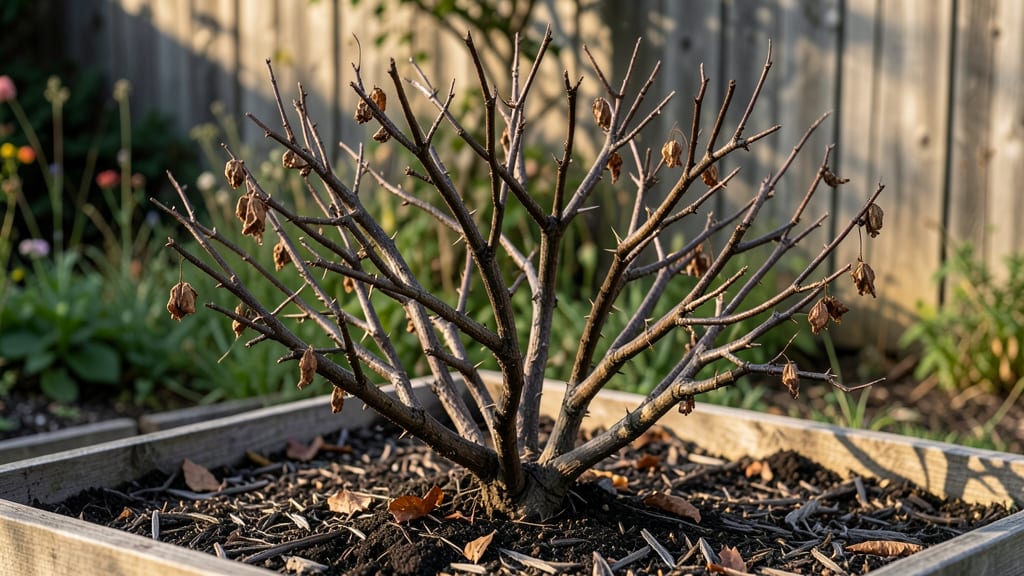
Seeing a rose bush dead at first glance can be heartbreaking—but before you dig its grave, pause and ask: is it truly gone, or just taking a long winter nap? truly struggling.
Overwatering, fungal diseases, or pests like rose slugs can turn vibrant bushes into skeletal remains overnight, but most cases have simple fixes that bring them roaring back.
The biggest red flags are blackened stems, yellowing leaves that crumble at the touch, or a foul-smelling base—all signs of rot or disease. But don’t panic: even severely neglected roses often bounce back with the right care.
Start by checking the roots for rot (healthy roots smell earthy, not sour) and inspect the foliage for pests hiding on the undersides of leaves. Most gardeners skip this step and miss the real problem entirely.
Here’s the good news: with 5 targeted steps, you can revive a rose bush that’s been on its last legs. Prune out the dead wood, adjust your watering routine, and apply a fungicide if you spot black spot.
Within a month, you’ll see fresh green shoots pushing through—proof that roses are tougher than they look. The key is acting fast before the issue spreads.
This works for hybrid teas, floribundas, and even old garden roses. Whether your bush is in full sun or partial shade, the same principles apply. Let’s get those canes back to their glory days—your yard will thank you with blooms by summer.
Root Causes Behind Dying Rose Bushes
Understanding why your rose bush is struggling is the first step toward reviving it. Roses are resilient plants, but they’re also sensitive to environmental stress, pests, and cultural mismanagement. Below, we break down the most common reasons your rose bush might be dying—backed by science and actionable insights.
Roses thrive in well-draining soil, but excess moisture can suffocate roots by cutting off oxygen and promoting fungal diseases like black spot or root rot. Here’s how it happens:
- Waterlogged soil forces roots to drown, leading to anaerobic conditions (lack of oxygen), which weakens the plant’s ability to absorb nutrients.
- Compacted or clay-heavy soil traps water, preventing roots from spreading properly.
- Overhead watering (especially in hot climates) encourages fungal spores to splash onto leaves, accelerating decay.
🔍 Signs to watch for:
- Yellowing leaves (chlorosis) that stay soft and mushy.
- A foul, sour smell emanating from the soil.
- Stunted growth despite consistent watering.
✨ Pro Tip: Test your soil’s drainage by digging a 12-inch hole, filling it with water, and timing how long it takes to drain. If it takes more than 4 hours, amend the soil with compost or perlite to improve aeration.
While overwatering is a common killer, chronic dehydration can also cripple a rose bush. Roses have deep root systems that need consistent moisture, especially during blooming season.
- Shallow root systems (from poor soil or recent planting) struggle to reach deep water sources, leading to wilting even in moderately dry conditions.
- Prolonged drought causes leaf scorch (brown, crispy edges) and bud drop as the plant conserves energy.
- Evaporative loss in hot, windy climates accelerates moisture depletion, stressing the plant faster.
🔍 Signs to watch for:
- Leaves curling inward or drooping (even in the morning).
- Dry, brittle stems that snap easily.
- Buds that form but fail to open.
💡 Fix It: Water deeply 2–3 times per week (1–1.5 inches per session) rather than shallow daily sprinkles. Use mulch (2–3 inches of organic material) to retain soil moisture and regulate temperature.
Roses are heavy feeders, requiring a balanced mix of nitrogen (N), phosphorus (P), and potassium (K)—plus micronutrients like magnesium, iron, and calcium. Deficiencies often go unnoticed until the damage is severe.
| Deficiency | Symptoms | Likely Cause |
|---|---|---|
| Nitrogen (N) | Pale yellow leaves, stunted growth | Poor soil, over-pruning, or leaching |
| Phosphorus (P) | Dark green leaves, weak roots | Compacted soil or acidic pH (<5.5) |
| Potassium (K) | Yellow leaf edges, weak stems | Overwatering or poor organic matter |
| Iron (Fe) | Yellow leaves with green veins | Alkaline soil (pH >7.0) or waterlogging |
| Magnesium (Mg) | Yellow patches between leaf veins | Over-fertilization with synthetic N |
🔍 Signs to watch for:
- Slow growth despite regular watering.
- Pale or mottled leaves (especially new growth).
- Fewer blooms or weak, spindly canes.
🌡️ Solution: Conduct a soil test (available through local extension offices) to identify imbalances. Amend soil with:
- Compost (for organic matter and slow-release nutrients).
- Epsom salt (for magnesium deficiency—1 tbsp per gallon of water, foliar-sprayed monthly).
- Balanced rose fertilizer (10-10-10 or 5-10-5) applied every 4–6 weeks during growing season.
Roses are a magnet for pests and pathogens, which can debilitate the plant if left unchecked. Common culprits include:
- Japanese Beetles 🐞 – Skeletons leaves by chewing tissue between veins, reducing photosynthesis.
- Aphids 🐜 – Suck sap, causing sticky honeydew and sooty mold (black fungal growth).
- Black Spot Fungus 🍄 – Creates purple-black spots on leaves, leading to premature leaf drop.
- Powdery Mildew ❄️ – White, powdery coating on leaves, blocking sunlight and stunting growth.
- Rose Borers 🪱 – Larvae burrow into canes, disrupting water/nutrient flow.
🔍 Signs to watch for:
- Holes in leaves or chewed petals.
- Sticky residue (honeydew) on stems or leaves.
- Wilting canes with sawdust-like frass (borer droppings).
- Fungal spots that spread rapidly in humid conditions.
🔪 Treatment Options:
- Neem oil (organic fungicide/insecticide—spray every 7–10 days).
- Horticultural oil (for beetles and mites—apply in early spring).
- Prune infected leaves (sterilize shears with rubbing alcohol between cuts).
- Improve airflow (space plants 3–4 feet apart to reduce humidity).
Roses are not frost-hardy (most varieties tolerate down to -15°F to -25°F) and wilt in extreme heat if not protected. Sudden temperature swings or chronic wind exposure can also stress the plant.
- Heat Stress 🔥 – Temperatures above 90°F (32°C) cause leaf scorch and bud drop. Roses may pause blooming to conserve energy. - Cold Damage ❄️ – Freezing temps rupture cell walls, leading to blackened canes and dieback.
Everblooming roses are especially vulnerable. - Wind Burn 💨 – High winds desiccate leaves, causing brown, crispy edges and reduced photosynthesis.
🔍 Signs to watch for:
- Sunken, mushy stems after a hard freeze.
- Leaves curling or wilting in afternoon heat.
- Stunted growth despite proper care.
🌿 Solutions:
- Mulch heavily (4–6 inches of straw or wood chips) to insulate roots in winter.
- Provide afternoon shade (use shade cloth or plant near a wall) in Zone 8+.
- Windbreaks (fences, hedges, or burlap screens) protect delicate blooms.
- Water deeply before heatwaves to help roots withstand stress.
Aggressive or untimely pruning can sever critical growth points, while mechanical damage (like lawnmower hits) exposes the plant to infections.
- Pruning at the wrong time (late fall/winter) removes next year’s flower buds.
- Cutting too close to the bud (leaving a "stub") invites bacterial canker.
- Over-pruning reduces the plant’s ability to photosynthesize, weakening it.
🔍 Signs to watch for:
- No new growth after pruning season.
- Oozing sap or dark, sunken lesions on canes.
- Excessive dieback with no signs of recovery.
👨🍳 Correct Pruning Practices:
- Prune in early spring (just as new growth begins).
- Cut at a 45° angle ½ inch above an outward-facing bud.
- Remove only dead, diseased, or crossing canes—never more than ⅓ of the bush in one season.
- Sterilize tools with rubbing alcohol to prevent spreading infections.
Revive Your Rose Bush Now
A dead or dying rose bush can feel like a heartbreaking loss, but often, it’s just a call for action—not a final goodbye. Whether your roses are wilting, turning brown, or completely bare, the right steps can bring them back to life.
Below, we’ve mapped out practical fixes for the most common causes, along with prevention tips to keep your roses thriving long-term.
If your rose bush looks dead but the roots still have life, you’re in luck—revival is possible!
🔥 Step 1: Check for Root Rot (The Silent Killer)
Symptoms: Black, mushy roots; foul smell; wilting despite watering. Fix: - 👨🍳 Dig Carefully – Gently remove the bush and inspect the roots.
Healthy roots are firm and white; rotten roots are dark and slimy. - 🔪 Trim the Damage – Use sterilized pruners to cut away all mushy, discolored roots. - 🌡️ Replant in Fresh Soil – Move the bush to a new spot with well-draining soil (mix in perlite or sand if your soil is heavy clay). - ⏰ Water Lightly – Avoid overwatering for at least a week to let roots recover.
💡 Prevention Tip: Improve drainage by adding compost or raising the planting bed slightly. Avoid soggy soil!
🍳 Step 2: Prune for New Growth (Even If It Looks Hopeless)
Symptoms: Bare stems, no leaves, but roots still feel firm when pulled gently. Fix: - 🔪 Radical Pruning – Cut back all dead or diseased wood to 6–12 inches from the ground.
Yes, it looks brutal—but roses are resilient! - 🌿 Fertilize Smart – Use a balanced rose fertilizer (10-10-10) or compost to encourage regrowth. - ☀️ Sun & Patience – Place the bush in full sun (6+ hours/day) and water deeply once a week (unless rain does the job).
✨ Pro Tip: If you see green buds under the bark, your bush isn’t dead—just dormant. Prune above them to stimulate growth!
Sometimes, external factors are the real culprits.
🔥 Step 3: Fix Watering Woes (Too Much or Too Little)
Symptoms: Crispy leaves (underwatered) or yellowing, drooping foliage (overwatered). Fix:
- 💧 Water Deeply, Less Often – Roses need 1–1.5 inches of water per week, delivered at the base (not the leaves).
- 🌧️ Mulch Like a Pro – Spread 2–3 inches of mulch (wood chips or straw) to retain moisture and regulate soil temp.
- 🚫 Avoid Wetting Foliage – Water in the early morning to prevent fungal diseases.
🎯 Prevention Tip: Install a drip irrigation system for consistent, stress-free watering.
🍳 Step 4: Shield from Extreme Conditions
Symptoms: Scorched leaves (too much sun), frost damage (blackened stems), or stunted growth (poor soil). Fix:
- ☀️ Provide Afternoon Shade – If your roses are in a hot, dry climate, use shade cloth (30–50%) during peak sun.
- ❄️ Winterize for Cold – In Zone 5–7, mound 4–6 inches of soil or mulch around the base before frost.
For Zone 8+, protect from late frosts with frost cloth. - 🌿 Amend Poor Soil – Test your soil (pH 6.0–6.5 is ideal). Add compost or aged manure for nutrients.
💡 Prevention Tip: Plant roses in a sheltered spot (near a fence or wall) for natural windbreak and temperature regulation.
If your rose bush is dead or showing signs of infestation, don’t wait.
🌡️ Step 5: Treat Fungal Infections (Black Spot, Powdery Mildew)
Symptoms: Black spots on leaves, white powdery coating, or defoliation. Fix:
- 🍄 Remove Infected Parts – Prune all diseased leaves/stems and dispose of them (don’t compost!).
- 💊 Apply Fungicide – Use neem oil, copper fungicide, or baking soda spray (1 tsp baking soda + 1 quart water + a drop of dish soap).
- 🌿 Improve Airflow – Space plants 3–4 feet apart and prune for open canopies.
🔥 Prevention Tip: Water at the base and avoid overhead sprinklers to keep leaves dry.
🍳 Step 6: Banish Pests (Aphids, Japanese Beetles, Rose Slugs)
Symptoms: Chewed leaves, sticky residue (honeydew), or tiny eggs on undersides of leaves. Fix:
- 🐜 Blast Off Pests – Spray with soapy water (1 tsp mild soap per quart of water) or neem oil.
- 🐛 Introduce Beneficial Insects – Ladybugs and lacewings love aphids!
- 🌿 Use Physical Barriers – Floating row covers can protect against beetles.
✨ Pro Tip: Handpick Japanese beetles into soapy water for instant gratification!
If your entire bush is truly dead, don’t despair—take cuttings from healthy canes (if any remain) to grow new roses!
- 🔪 Take 4–6 inch cuttings from green, flexible stems (not woody).
- 🌱 Dip in rooting hormone (optional but helpful).
- 🏺 Plant in moist perlite or sand and keep in indirect light.
- 💧 Mist daily until roots form (4–6 weeks).
💡 Prevention Tip: Label your roses so you know which varieties thrive in your climate!
Final Thought: A "dead" rose bush is often just sleeping—give it the right care, and it’ll reward you with lush blooms come spring. Start with one fix (like pruning or soil check), then build from there. Your roses will thank you! 🌹💪
Frequently asked questions
How can I tell if my rose bush is truly dead or just dormant?
Check the roots first! Gently dig around the base—healthy roots are firm and white. If you find any green buds under the bark or see fresh growth at the base, your bush isn't dead. Even if it looks lifeless, roses can surprise you with new shoots in spring.
What should I do if my rose bush has black spots on the leaves?
That’s likely black spot fungus, a common rose killer. Prune infected leaves immediately and dispose of them (don’t compost). Apply neem oil or a copper fungicide every 7–10 days. Improve airflow by spacing plants 3–4 feet apart and water at the base instead of overhead.
Can I save a rose bush with mushy, smelly roots?
Yes, but act fast! Cut away all rotten roots with sterilized shears, then replant in fresh, well-draining soil mixed with perlite. Water lightly for 1 week to avoid stressing the roots further. If the bush was overwatered, adjust to deep watering 2–3 times per week instead of daily shallow watering.
Why are my rose leaves turning yellow, but the stems stay green?
This usually signals overwatering or nutrient deficiency. Check the soil—if it’s soggy, reduce watering and improve drainage. If the yellowing is between leaf veins, it could be iron deficiency. Try applying Epsom salt (1 tbsp per gallon of water) as a foliar spray monthly.
How do I know if my rose bush needs more sun or less?
Roses need 6+ hours of sun daily. If leaves are scorched or wilting in afternoon heat, provide afternoon shade (use shade cloth). If growth is weak or stems are leggy, it’s not getting enough sun. Move it to a sunnier spot gradually to avoid shock.