
Shrubs
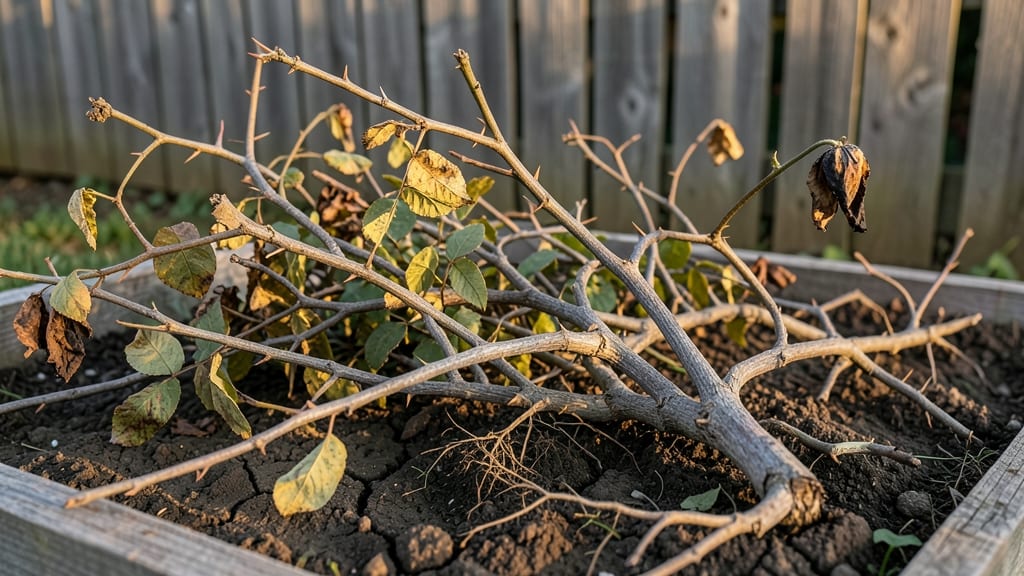
Those crunchy, brown stems and yellowing leaves are your roses' SOS signal. 🌿 I've seen my share of "unhealthy pictures of dead rose bushes" after neglecting pruning, watering, or pest checks—and I'm here to show you how to turn them around before it's too late.
The good news? Most decline starts with simple fixes you can spot in just 10 minutes of close inspection.
Black spots on leaves? That's fungal disease. Sticky residue on stems? Aphids or scale. Wilting despite wet soil? Root rot or overwatering. I've learned to match symptoms to solutions: trim diseased canes, blast pests with soapy water, and adjust watering to keep soil moist but not soggy.
The key is acting fast—before problems spread to the whole bush.
By next month, you'll see fresh green shoots pushing through, with buds forming where there were only bare branches. The secret is catching issues early: check leaves weekly for yellowing, stems for cracks or ooze, and soil for that musty smell that means rot.
Prevention is easier than cleanup, and your roses will thank you with vibrant blooms all season.
Works for hybrid teas, climbers, or shrub roses—any type that's struggling from neglect or seasonal stress. Let's get those bushes back in fighting shape before another season passes!
Root Causes Of Wilted Roses
Seeing a once-vibrant rose bush reduced to a sad, drooping mess can feel like a gardening nightmare. But before you sigh and toss in the towel, understanding why this happens is the first step to revival.
Dead or dying rose bushes don’t just give up—they’re usually sending you a clear SOS. Below, we break down the most common culprits, backed by science, so you can diagnose (and fix!) the problem like a pro.
Roses love water, but too much of a good thing can drown their roots—literally. When soil stays soggy for days, roots suffocate from a lack of oxygen, leading to root rot (a fungal infection that turns roots black and mushy).
Why it happens:
- Compacted soil: Heavy clay or tightly packed dirt traps water, preventing roots from breathing.
- No drainage layer: Planting roses in ground-level soil without gravel or sand at the bottom forces water to pool.
- Overzealous watering: Giving roses a drink every day (or after every rain) keeps soil saturated longer than roots can handle.
Actionable fix:
- Test your soil: Stick a trowel in the ground—if water pools after 30 minutes, drainage is poor.
- Amend the soil: Mix in compost or perlite to improve aeration.
- Water deeply but less often: Aim for 1–1.5 inches per week (including rain), and always water at the base, not the leaves.
While overwatering is a silent killer, chronic dehydration is just as deadly. Roses are thirsty plants, especially in hot, dry climates. When they don’t get enough water, their leaves wilt, stems weaken, and the bush eventually collapses.
Why it happens:
- Inconsistent watering: Skipping watering days (or relying on rain alone) leaves roots scrambling for moisture.
- Shallow root systems: Young or newly planted roses haven’t developed deep roots yet, making them vulnerable to surface-level dryness.
- Evaporative loss: Intense sun + wind = water evaporating faster than roots can absorb it.
Actionable fix:
- Mulch like a pro: Apply 2–3 inches of organic mulch (like wood chips or straw) to retain moisture and regulate soil temperature.
- Water in the early morning or late evening to reduce evaporation.
- Use drip irrigation or soaker hoses to deliver water directly to the roots, not the foliage.
Not all wilting is due to water—sometimes, tiny (or not-so-tiny) invaders are to blame. Pests like Japanese beetles, aphids, or spider mites suck sap from leaves and stems, weakening the plant. Meanwhile, diseases like black spot, powdery mildew, or canker clog pores, preventing the rose from absorbing nutrients or water.
Why it happens:
- Pests:
- Aphids and mites pierce stems and leaves, causing wilting and yellowing.
- Japanese beetles devour petals and foliage, leaving stems vulnerable to sun scorch.
- Fungal diseases:
- Black spot (dark spots on leaves) blocks sunlight, reducing photosynthesis.
- Canker (sunken, oozing wounds on stems) disrupts water and nutrient flow.
Actionable fix:
- Inspect regularly: Check undersides of leaves and stems for pests or unusual spots.
- Spray with neem oil (a natural fungicide/pesticide) or use insecticidal soap for mild infestations.
- Prune infected areas: Cut off 1 inch below black spots or cankers with sterilized shears.
- Improve airflow: Space plants 3–4 feet apart and prune to reduce humidity around foliage.
Even with perfect watering, roses need the right nutrients to thrive. Poor soil quality—whether from lack of nutrients, wrong pH, or depleted organic matter—can leave your roses starving, causing weak stems, yellowing leaves, and eventual collapse.
Why it happens:
- Nitrogen deficiency: Leads to pale, yellow leaves (a classic sign roses aren’t getting enough protein to grow.
- Phosphorus shortage: Causes weak stems and poor root development, making the bush more susceptible to wilting.
- Wrong pH: Roses prefer slightly acidic soil (6.0–6.5). If soil is too alkaline (pH >7.0), they can’t absorb nutrients like iron or manganese.
- Compacted or exhausted soil: Over time, soil loses structure and nutrients, especially if you’ve planted in the same spot for years.
Actionable fix:
- Test your soil: Use a home soil test kit or send a sample to a local extension office.
- Amend with compost: Mix in aged compost or well-rotted manure to replenish organic matter.
- Fertilize smartly:
- Use a balanced rose fertilizer (10-10-10) in spring, then switch to low-nitrogen, high-phosphorus (5-10-10) in summer for blooms.
- Avoid high-nitrogen fertilizers in late summer—they encourage leafy growth at the expense of hardiness.
- Adjust pH if needed:
- For alkaline soil, add sulfur or peat moss.
- For acidic soil, mix in lime.
Extreme weather—whether scorching heat, freezing cold, or sudden temperature swings—can shock rose bushes into wilting faster than you can say “dead rose.” Even drought-resistant varieties hit their limits when pushed too far.
Why it happens:
- Heatwaves: High temperatures cause transpiration (water loss through leaves) to spike, outpacing root absorption.
- Frost or cold snaps: Damages cell walls, causing wilting even after thawing.
- Windburn: Dries out leaves and stems, making them more susceptible to disease.
Actionable fix:
- Protect from extremes:
- Use shade cloth (30–50%)
Reviving Your Rose Bushes Step-by-Step
Now that you know the root causes behind those sad, drooping rose bushes, it’s time to roll up your sleeves and bring them back to life! 🌿 With the right care, you can transform wilted stems into vibrant blooms again.
Below are practical, actionable solutions tailored to the most common issues—plus prevention tips to keep your roses thriving long-term.
---
Symptoms: Yellowing leaves, mushy stems, or soil that smells like rot.
How to Fix It: 1. Stop Watering Immediately 🚰 - Let the soil dry out completely before watering again. Stick your finger 2 inches into the soil—if it’s damp, wait.
2. Improve Drainage 🏗️ - Mix perlite or coarse sand into the soil (1 part perlite to 3 parts soil) to help water drain faster. - If planting in containers, ensure pots have drainage holes and use a well-draining potting mix.
3. Repot If Necessary 🌱 - If roots are rotting, trim away the black/mushy parts with sterilized pruners, then repot in fresh, dry soil.
Prevention Tips: ✅ Water deeply but less often—roses prefer 1–1.5 inches per week, not daily shallow drinks. ✅ Raise containers slightly off the ground to prevent water pooling. ✅ Mulch properly—use 2–3 inches of organic mulch (like wood chips) to retain moisture without suffocating roots.
---
Symptoms: Crispy leaf edges, wilted stems that don’t bounce back when watered, or leaves curling upward.
How to Fix It: 1. Water at the Base 💦 - Deep watering (soaking the root zone) is better than sprinkling leaves. Use a soaker hose or drip irrigation for even moisture.
2. Shade During Peak Heat 🌞 - If temperatures exceed 90°F (32°C), provide afternoon shade with a lightweight shade cloth (30–50% coverage).
3. Mulch to Retain Moisture 🌿 - Apply 2–3 inches of mulch (straw, pine needles, or shredded bark) to lock in moisture and cool roots.
Prevention Tips: 💡 Water early morning (6–9 AM) to reduce evaporation. 💡 Group roses with other plants to create a microclimate that retains humidity. 💡 Use drought-resistant varieties like ‘Knock Out’ roses if you live in a hot, dry climate.
---
Symptoms: Dark spots on leaves, white powdery coating, or leaves dropping prematurely.
How to Fix It: 1. Prune Infected Parts ⚔️ - Remove all diseased leaves and stems (including those that have fallen) with sterilized pruners. Dispose of them in the trash—not the compost!
2. Apply Fungicide 🛡️ - Spray with a copper-based fungicide or neem oil solution (1 tbsp neem oil + 1 tsp mild soap per quart of water). Reapply every 7–10 days until the issue clears.
3. Improve Air Circulation 🌬️ - Space plants 3–4 feet apart and prune to open the center of the bush. Avoid overhead watering to keep leaves dry.
Prevention Tips: ✨ Water at the base (never the foliage) to prevent fungal spores from spreading. ✨ Clean up debris regularly—remove fallen leaves and spent blooms. ✨ Choose disease-resistant varieties like ‘Carefree Beauty’ or ‘Dr. Huey’.
---
Symptoms: Sticky residue on leaves, tiny webs, or holes in buds.
How to Fix It: 1. Blast Off Pests 💦 - Spray leaves with a strong stream of water to knock off aphids and spider mites.
2. Use Insecticidal Soap 🧼 - Mix 1.5 tbsp mild castile soap + 1 quart water and spray directly on pests (avoid blooms). Reapply every 5–7 days.
3. Introduce Beneficial Insects 🐞 - Ladybugs and lacewings eat aphids naturally—buy them online or attract them with dill or fennel plants.
Prevention Tips: 🎯 Inspect plants weekly—catch infestations early! 🎯 Avoid over-fertilizing (especially nitrogen)—soft new growth attracts pests. 🎯 Plant companion plants like marigolds or garlic to repel pests.
---
Symptoms: Pale yellow leaves, weak stems, or slow growth.
How to Fix It: 1. Test Your Soil 📊 - Use a DIY soil test kit (available at garden centers) to check pH and nutrient levels. Roses thrive in slightly acidic soil (6.0–6.5 pH).
2. Fertilize Correctly 🌱 - Apply a balanced rose fertilizer (10-10-10 or 5-10-5) every 4–6 weeks during growing season (spring–fall). - Avoid high-nitrogen fertilizers in late summer—they encourage leafy growth but fewer blooms.
3. Add Organic Matter 🍂 - Mix in compost or well-rotted manure to replenish nutrients naturally.
Prevention Tips: 💪 Feed lightly in early spring to encourage root growth before blooming. 💪 Use slow-release granules for steady nutrition without burning roots. 💪 Avoid fertilizing in winter—roses rest and don’t need extra nutrients.
---
Use this quick-reference table to diagnose and treat your roses:
| Problem | Quick Fix | Prevention Tip | |---------------------------|----------------------------------------|--------------------------------------------| | Overwatering | Stop watering, improve drainage | Water deeply but less often | | Underwatering | Deep water + mulch | Water early morning | | Fungal Disease | Prune + fungicide spray | Avoid overhead watering | | Pests | Insecticidal soap + beneficial insects | Inspect weekly | | Nutrient Deficiency | Soil test + balanced fertilizer | Add compost annually |
Final Pro Tip: 🌟 Patience is key! Reviving a struggling rose bush takes 2–4 weeks of consistent care. Monitor progress, adjust as needed, and soon, you’ll be snapping fresh, healthy photos instead of those sad, wilted ones! 🌹✨
Frequently asked questions about reviving struggling rose bushes
1Why do my rose bush leaves turn yellow first before the whole plant wilts?
Yellowing leaves are often the first sign of nutrient deficiency (especially nitrogen) or root stress from overwatering. When roots can't absorb nutrients efficiently, the plant prioritizes keeping stems alive, causing older leaves to yellow first. Check soil moisture—if it's soggy, you may have root rot.
2Can I save a rose bush with blackened stems and no leaves?
Yes, but act fast! Trim back all dead stems to healthy green tissue (about 1 inch above the blackened area) with sterilized shears. If roots are still firm (not mushy), repot in fresh soil and reduce watering. The bush may regrow from dormant buds at the base.
3How do I tell if my rose bush is dead vs. just dormant?
Scratch a small area of bark—if it's green underneath, the bush is alive but dormant. For bare stems, check for buds or tiny green shoots at the base. If you see none and the stems are hollow when cut, it's likely dead. Wait until spring before declaring defeat—some roses surprise you!
4What's the fastest way to revive a severely wilted rose bush?
Give it a deep watering (soak the root zone for 30 minutes), then apply 2-3 inches of mulch to retain moisture. Prune any dead stems immediately, and move it to partial shade for 1-2 weeks while it recovers. Most roses bounce back within 2-3 weeks with this treatment.
5Can I use coffee grounds to revive my rose bushes?
Yes! Coffee grounds are great for roses—they're slightly acidic (helping adjust pH) and rich in nitrogen. Mix 1 cup of used grounds per plant into the soil monthly, or create a "coffee tea" by steeping grounds in water for 24 hours, then using it to water the base. Just don't overdo it—too much can make soil too acidic.
- Use shade cloth (30–50%)