
Blooming
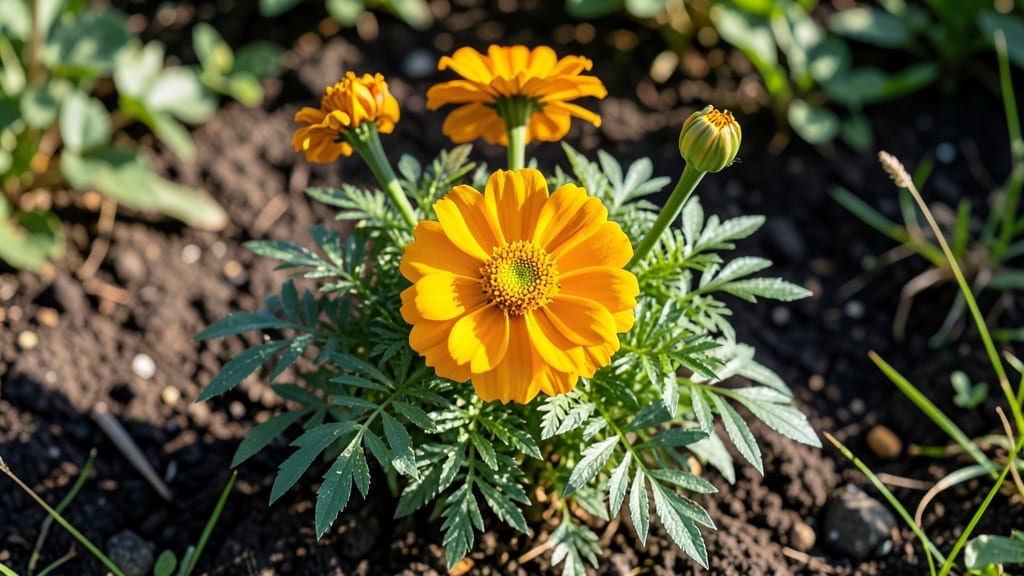
The marigold bloom time can range from 6 to 12 weeks after planting, depending on the variety and growing conditions — a timeline that can feel like forever when you're waiting for those first bright orange or golden flowers to appear.
Picture this: you've just tucked your marigold seeds into warm soil, and now you're counting the days until your garden bursts with color. But what if I told you some varieties, like the fast-flowering French marigolds, can reward you with blooms in as little as 45 days?
Meanwhile, the taller African marigolds might take closer to 75 days to show off their vibrant petals.
Your location plays a huge role, too. In USDA Zone 6a, where spring arrives later, planting in early May gives you the best shot at blooms by mid-summer.
But if you're in a warmer zone, you could be picking marigolds as early as June — or even extending their season into October with the right care.
In this guide, I’ll break down exactly when to expect blooms from your favorite varieties, how to speed up the process, and the simple tricks to keep those cheerful flowers coming all season long.
Marigold bloom time by variety: fastest to slowest flowering types
If you're eager to see bright orange and golden blooms lighting up your garden, timing is everything. Marigolds are one of the fastest flowers to bloom, but their exact flowering timeline depends heavily on the variety you choose.
Some French marigolds burst into color in just 6 weeks, while African marigolds may take closer to 10-12 weeks. Understanding these differences helps you plan for early summer color or extend your blooming season.
Your USDA hardiness zone also plays a role—warmer climates can shave weeks off bloom times, while cooler zones may delay flowering. For example, in Zone 7, you might see Signet marigolds flowering by early June, while in Zone 5, they could wait until late June or July.
Let’s break down the fastest and slowest blooming marigold varieties so you can pick the perfect fit for your garden’s timeline.