
Picking
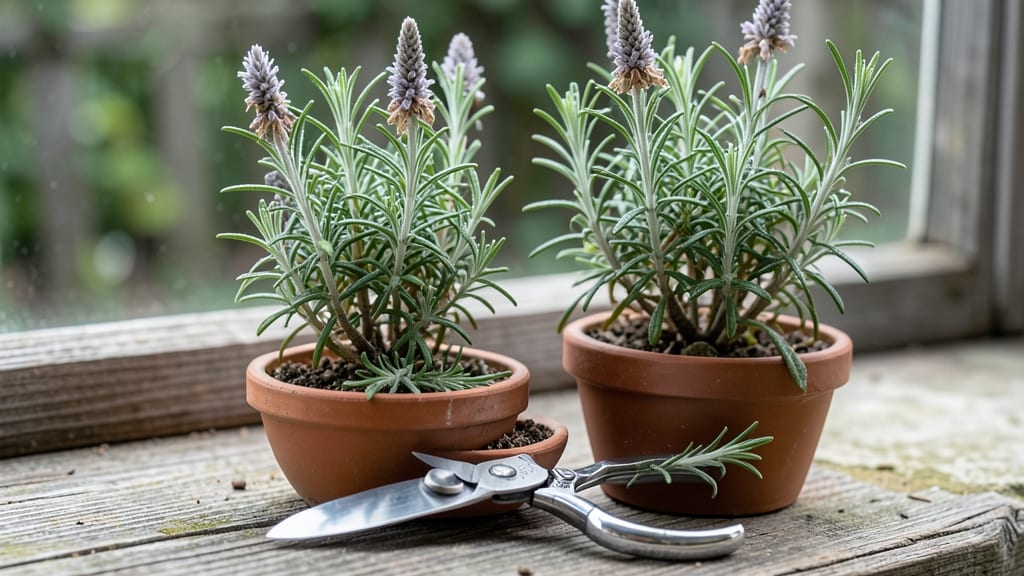
Harvesting rosemary the right way means fragrant stems and a plant that keeps thriving. ✂️ I used to cut stems haphazardly—until I learned the one-third rule that keeps my rosemary bushy and productive all season long.
The best time to harvest is in late spring or summer, just before flowering, when the oils are strongest and regrowth is fastest.
You’ll need sharp pruning shears or scissors (dull blades tear stems) and a bowl to collect your harvest. Never take more than one-third of the plant at once, and always cut just above a leaf joint—this encourages new growth.
Start with the oldest stems first, working your way inward to maintain the plant’s shape.
Fresh rosemary stays vibrant for 1-2 weeks in the fridge if you wrap stems in a damp paper towel. For long-term storage, hang bundles upside down in a dry, dark place until crisp, then strip and store the leaves.
The key to regrowth? Prune regularly—my plant now produces twice as much as it did when I ignored it.
Seasonal timing matters: avoid heavy harvests in fall or winter when growth slows. And here’s a pro tip—if your rosemary looks leggy, a light trim in early spring jumpstarts fresh, bushy growth. The plant rewards patience with years of fragrant harvests.
📚 In This Guide
- What you need
- Instructions
- Tips and common mistakes
- Wrapping up and next steps
What you need
- ● Sharp pruning shears or clean scissors – Must be sterilized (rubbing alcohol wipe) to prevent disease. Choose bypass pruners (not anvil-style) for clean cuts.
- ○ Gloves (optional but recommended) – Protects hands from thorns and sap. Opt for gardening gloves with good grip if your rosemary is thorny.
- ● Plastic or paper bags (or a reusable basket) – For collecting stems. Paper bags work best to prevent moisture buildup.
- ● Water spray bottle (small, 8–16 oz) – Keeps stems fresh during harvest if you’re not using them immediately.
- ● Labeling tags or a notebook – If harvesting multiple varieties, jot down harvest dates and plant names for tracking.
- ● Pruning saw (for woody stems) – If your rosemary has thick, mature branches over ½-inch thick.
- ● Drying rack or mesh bags – For preserving rosemary long-term. Use perforated bags to allow airflow.
- ● Food processor or herb grinder – If you plan to dry and powder rosemary for cooking.
- ● Sunscreen and a wide-brimmed hat – For outdoor harvesting on sunny days!
Step-by-step instructions for harvesting rosemary
Here's how to get the most flavorful stems while keeping your rosemary thriving for years.
✂️ Step 1: Choose the Right Time for Harvesting
Harvest your rosemary in the morning after the dew has dried but before the midday heat sets in. The oils in the leaves are most concentrated then, giving you the strongest flavor. I always check for fresh, vibrant green stems—anything yellowing or woody should stay on the plant.
Wait until your rosemary has at least 4-6 inches of new growth before harvesting. This ensures the plant has enough energy to regrow. If you harvest too early, you risk stunting its growth or leaving it looking sparse. For established plants, you can harvest 2-3 times per year during the growing season.
🌿 Step 2: Select the Best Stems to Harvest
Look for non-flowering stems—these are where the most flavorful leaves grow. Flowering stems divert the plant's energy toward reproduction, so cutting them back actually helps the rosemary stay bushier and more productive. Use clean, sharp pruning shears or scissors to make precise cuts.
Focus on harvesting stems from the outer third of the plant. This encourages new growth from the center and keeps your rosemary looking full and lush. Avoid cutting into old, woody stems—they won’t regrow, and the flavor is much weaker. A good rule of thumb is to leave at least half the plant’s height intact after harvesting.
✂️ Step 3: Make Clean Cuts at the Right Angle
Cut the stems at a 45-degree angle, about ¼ inch above a leaf node (the point where leaves or stems branch out). This angle increases the surface area for water uptake, helping the plant recover faster. I always make sure my shears are sharp—dull blades crush the stems and can introduce disease.
Harvest 3-4 inches of stem length per cut. This ensures you get enough leaves for cooking while leaving enough growth to sustain the plant. If you’re harvesting for culinary use, bundle the stems together and tie them with twine or a rubber band. This keeps them fresh longer and makes it easier to strip the leaves later.
🌱 Step 4: Post-Harvest Care for Your Rosemary
After harvesting, give your rosemary a light watering if the soil feels dry to the touch. While rosemary is drought-tolerant, it still needs moisture to recover from pruning. Avoid overwatering, though—rosemary hates soggy roots. Let the soil dry out between waterings to prevent root rot.
If your rosemary looks a bit sparse after harvesting, don’t worry. It’ll bounce back with new growth in 2-4 weeks, especially if you keep it in full sun and well-draining soil. This is also a great time to fertilize lightly with a balanced, water-soluble fertilizer to encourage regrowth. Just follow the package instructions—too much fertilizer can harm the plant.
☀️ Step 5: Store or Use Your Harvested Rosemary
For fresh use, strip the leaves from the stems right away and store them in an airtight container in the refrigerator. They’ll stay fresh for up to 2 weeks. If you’re drying the stems, bundle them together and hang them upside down in a warm, dry, dark place for 1-2 weeks until the leaves are crisp and crumble easily.
Real talk: If you’re harvesting rosemary for cooking, use it within a few days for the best flavor. Dried rosemary is convenient but loses some of its potency. For the freshest taste, harvest just before you plan to use it—nothing beats the aroma of freshly cut rosemary in your kitchen.
Tips & tricks for perfect rosemary harvesting
Took me a while to figure these out, so here goes—these tricks will help you get the most flavorful rosemary without sacrificing your plant's health.
Timing Secret: The morning after dew has dried is truly the sweet spot for harvesting rosemary. I've learned this the hard way after harvesting at noon and noticing the flavor was noticeably less potent. The morning harvest gives you the most concentrated essential oils, which is what makes rosemary so aromatic. If morning isn't possible, late afternoon works too, but you'll get slightly less intensity.
Plant Health Strategy: When harvesting those 3-4 inches of stem length, focus on the outer third of the plant as instructed. I've found that leaving at least half the plant's height intact makes all the difference in regrowth. One time I cut too aggressively and my rosemary took months to recover—don't make my mistake! Think of it like giving your plant a haircut where you leave plenty of length to grow out.
Cutting Technique: That 45-degree angle cut isn't just for show—it actually helps the plant heal faster. The increased surface area allows for better water absorption at the cut site. I always use clean, sharp pruning shears (I keep a dedicated pair just for herbs) because dull blades can crush the stems and introduce potential infections. For the best results, make your cut about ¼ inch above a leaf node where new growth will emerge.
Storage Wisdom: After harvesting, you can extend the freshness of your rosemary by storing it properly. I've found that bundling the stems and hanging them upside down in a paper bag (with holes for airflow) in the fridge keeps them fresh for up to 3 weeks—longer than the 2-week guideline if you're gentle with them. For drying, the warm, dark place should ideally be around 70°F (21°C) for even drying without losing flavor.
Pro Tips for Best Way To Harvest Rosemary
- Took me a while to figure these out, so here goes—these tricks will help you get the most flavorful rosemary without sacrificing your plant's health.
- Timing Secret: The morning after dew has dried is truly the sweet spot for harvesting rosemary.
- Plant Health Strategy: When harvesting those 3-4 inches of stem length, focus on the outer third of the plant as instructed.
Frequently asked questions
Got questions about harvesting rosemary like a pro? Here are some of the most common ones—and their answers—to help you get the most out of your fragrant herb garden!
When is the best time to harvest rosemary?
Harvest rosemary in the morning after the dew has dried but before the heat of the day sets in. This ensures the oils in the leaves are at their peak potency. Avoid harvesting after heavy rain, as moisture can dilute the flavor and encourage rot. For a continuous harvest, trim lightly every 4-6 weeks to encourage new growth.
How much of the plant should I cut when harvesting?
Never cut more than one-third of the plant at a time, even if it looks lush. Rosemary is hardy but can struggle to regrow if over-harvested. Focus on trimming the outer stems first, leaving the center intact. This encourages bushier growth and prevents woody, unproductive centers. Use sharp shears for clean cuts!
Can I harvest rosemary in winter?
Yes, but with caution! If your rosemary is outdoor-hardy (like USDA zones 7-10), you can harvest lightly in mild winters. In colder climates, bring potted rosemary indoors before frost hits. Avoid harvesting if the plant looks stressed or dormant—wait until spring for the best flavor. A small trim in winter can still yield usable sprigs, but focus on fresh growth in warmer months.
What if my rosemary turns woody after harvesting?
Woody stems are a sign of over-mature growth or inconsistent harvesting. To fix it, prune back the woody stems by one-third in early spring, and focus on trimming new, tender growth regularly. Avoid letting the plant go completely bare—always leave some foliage to photosynthesize. For severely woody plants, a hard prune (cutting back to 6 inches) in spring can rejuvenate it!
Is it okay to harvest rosemary from a potted plant?
Potted rosemary is ideal for harvesting because you can control watering and soil conditions. Just ensure the pot has good drainage to prevent root rot. If your plant is root-bound, consider repotting it in spring to encourage healthier growth. Harvesting from pots also makes it easier to bring indoors during cold snaps—just place it near a sunny window!
Wrapping up and next steps
Harvesting rosemary at its peak—just before flowering—ensures the most fragrant, flavorful stems while keeping your plant thriving. Whether you’re snipping for cooking, crafting, or gifts, timing, sharp tools, and gentle handling are your best friends.
Now that you’re armed with the know-how, grab those shears and get harvesting! 🌿✨
Ready to elevate your dishes or DIY projects? Try infusing rosemary into homemade oils, drying bundles for winter, or whipping up a batch of rosemary-scented soap—your plant (and taste buds) will thank you!