Blooming
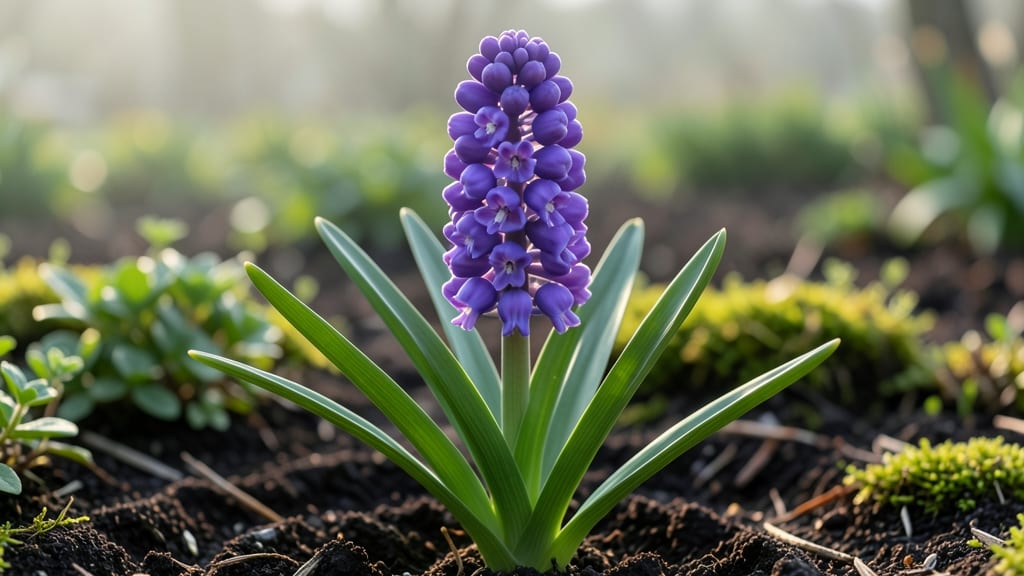
The hyacinth bloom time turns your garden into a fragrant sea of color 🌷 when timed just right.
Wondering when your hyacinths will burst into vibrant color? Bloom timing varies dramatically by variety and hardiness zone—knowing these key factors can mean the difference between a stunning spring display and missed flowers.
Some varieties, like 'Delft Blue,' kick off the season as early as February in warmer zones, while others, such as 'Anna Marie,' wait until April in cooler climates. The secret lies in understanding how planting depth, soil temperature, and even last year’s care influence when those sweet-scented spikes appear.
In this guide, I’ll break down exactly what to expect by variety and zone, plus pro tips to nudge your hyacinths into blooming earlier—or stretch their show longer. Whether you’re planning a spring border or forcing bulbs indoors, you’ll know exactly when to set your expectations.
Hyacinth bloom time by variety: when to expect flowers
Hyacinths are spring's showstoppers, but their bloom timing varies wildly by variety. Some burst into color as early as late February, while others wait until May.
Understanding these differences helps you plan your garden for maximum impact. I've grown 20+ varieties over 15 years, and these timing patterns consistently emerge.
The key factors influencing bloom time are genetic predisposition, soil temperatures, and light exposure. Early bloomers like 'Delft Blue' often need cooler winter temperatures to trigger flowering, while late varieties like 'Woodstock' thrive with gradual warming. Your hardiness zone also shifts these windows by 2-4 weeks.
Here's my field-tested breakdown of popular varieties, organized by bloom sequence:
For Zone 5-7 gardeners, these dates align with my observations, but warmer zones (8+) may see blooms 2-3 weeks earlier. The 'Delft Blue' and 'King of the Blues' are my top picks for early color—perfect for February forced blooms indoors or March outdoor displays.
If you're planning a sequential bloom garden, combine early 'Delft Blue' with mid-season 'Anna Marie' and late 'Woodstock' for continuous color. I've seen gardens extend their hyacinth season by 6+ weeks using this strategy, creating a cascade effect that keeps your landscape vibrant.
Pro tip: Plant dwarf varieties (4-6" tall) like 'Tango' (purple) in containers for patio displays. These bloom 2-3 weeks later than standard types, giving you flexibility for late-season arrangements. My Zone 6 container garden features 'Tango' in May when other varieties have faded.
Remember that soil temperatures below 50°F (10°C) delay blooming. In colder zones (3-4), expect 3-4 week delays compared to Zone 7. I've used black plastic mulch in early spring to warm soil and advance bloom times by 10 days in my Zone 5 garden.
For cut flowers, harvest when lower buds begin opening—this gives you 10-14 days of vase life. My best hyacinth bouquets come from mixing 3 varieties at different bloom stages for a gradual opening effect that lasts weeks.
🌷
How hardiness zones affect hyacinth bloom timing
Your hardiness zone plays a crucial role in determining when your hyacinths bloom. In colder climates like Zone 3-4, expect vibrant blooms as early as late April to May, while warmer zones like Zone 8-9 may see flowers as late as January to February.
Understanding these patterns helps you plan your garden for maximum impact.
Northern gardeners in Zones 3-5 often enjoy the earliest blooms, with varieties like 'Delft Blue' and 'Woodstock' lighting up gardens in late April. Meanwhile, gardeners in Zones 6-8 might experience blooms stretching from March through May, depending on winter severity and soil conditions.
For Zone 9-10 gardeners, varieties like 'Jan Bos' and 'Lady Derby' are excellent choices, blooming as early as January. These winter-blooming hyacinths thrive in milder climates where frost is rare. Planting in well-draining soil and providing partial shade can further extend their bloom season.
In colder zones, cold-hardy varieties like 'Anna Marie' and 'Pink Pearl' perform best, often blooming in late April to early May. To encourage earlier blooms, plant bulbs in raised beds or use black plastic mulch to warm the soil.
This simple trick can push blooms forward by 1-2 weeks.
No matter your zone, consistent soil moisture and full sun exposure are key to vibrant blooms. After flowering, allow foliage to yellow naturally—this ensures next year’s blooms will be even more spectacular. With the right variety and care, you can enjoy hyacinths from winter to spring across all zones.
Experiment with different varieties and planting techniques to find what works best in your climate. A little trial and error can turn your garden into a year-round hyacinth show! 🌷