Blooming
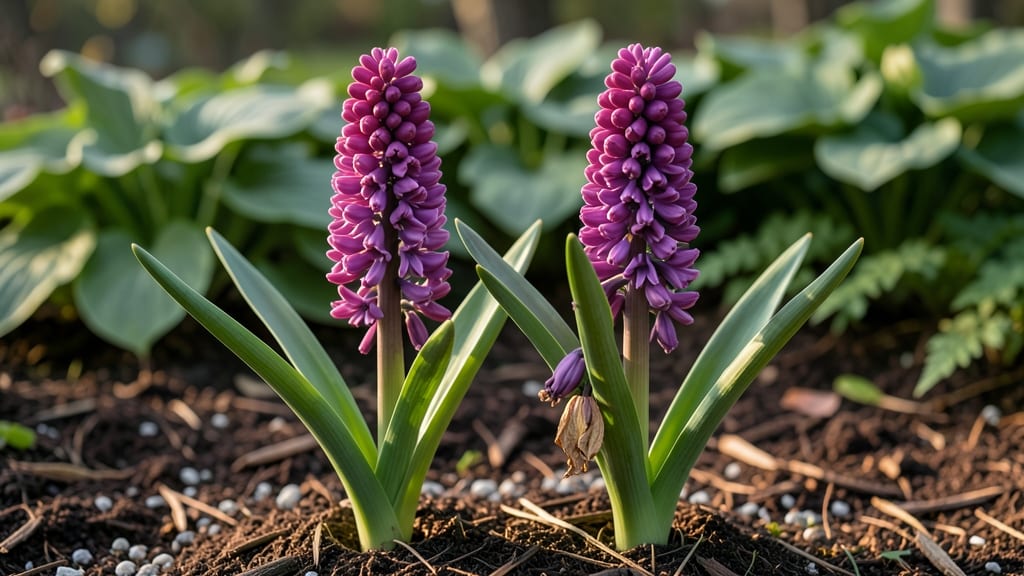
Hyacinths do not bloom all summer; their flowers typically last 2-4 weeks per season, emerging in early to mid-spring (March–May in most climates) before fading. Proper care and variety selection can extend blooming slightly, but they are not continuous summer bloomers like roses or petunias.
Hyacinths are spring ephemerals, designed by nature to burst into color for a short, spectacular show before conserving energy for next year's growth. 🌸 Their blooming cycle is tightly linked to daylight length and temperature cues—once they finish flowering, the bulbs shift focus to storing nutrients for dormancy.
Even with ideal care, you won't see repeat blooms in summer because the bulbs need a period of rest to rebuild strength. That said, some gardeners achieve secondary blooms by carefully managing light exposure or replanting bulbs at different times, though this requires precise timing and isn't guaranteed.
What sets hyacinths apart is their intense fragrance and vibrant colors, which make them a prized but temporary centerpiece. Unlike perennials that bloom intermittently throughout the season, hyacinths deliver their full impact in one concentrated burst.
This seasonal pattern actually works in a gardener's favor—it prevents overcrowding and ensures each bloom gets maximum attention from pollinators during its brief window of availability.
💡 In This Article
- Hyacinth Bloom Cycle: Why They Fade After Spring
- Maximizing Hyacinth Blooms: Growing Tips for Longer Displays
Hyacinth bloom cycle: why they fade after spring
The hyacinth's seasonal bloom is governed by a carefully timed biological process called vernalization, where bulbs require exposure to cold winter temperatures (typically 40-50°F for 8-12 weeks) to trigger flowering.
Once spring arrives and temperatures rise, the bulbs receive a surge of sunlight (12+ hours of daylight) that kickstarts photosynthesis in the leaves.
This energy fuels the flower stems, but the trade-off is that the bulb's resources become depleted after just 2-4 weeks of blooming—about the time it takes for the flowers to fully open and pollinate.
What most gardeners don't realize is that the bulb's energy reserves are finite. Each hyacinth bulb stores nutrients like starch and sugars in its scales, and once those are converted into flower production, the bulb enters a state of post-flowering dormancy.
This is why you'll notice the leaves yellowing and dying back shortly after blooming—it's the plant's way of conserving what's left for next year's growth. The process is similar to how tulips behave, though hyacinths tend to have slightly longer bloom periods due to their more robust bulb structure.
Temperature plays a critical role in this cycle. Hyacinths thrive in zones 3-9, where winter chilling is sufficient to reset their biological clocks.
In warmer climates (zone 10+), gardeners often struggle to get reliable blooms because the bulbs don't receive enough cold exposure. 🌱 Even in ideal conditions, forcing hyacinths indoors by chilling bulbs in refrigerators can only extend their bloom by a few weeks—it doesn't change their fundamental seasonal pattern.
The bulbs still need that post-bloom rest period to rebuild their energy stores.
Light sensitivity also factors into their bloom timing. Hyacinths are long-day plants, meaning they respond to increasing daylight hours. When days start shortening in late spring, the bulbs receive a signal to prepare for dormancy.
This is why you'll rarely see hyacinths rebloom in the same season—even if you deadhead spent flowers, the bulb's internal clock has already shifted toward rest.
The exception is certain hybrid varieties like 'Delft Blue' or 'Anna Marie,' which may produce smaller secondary blooms if given perfect conditions, but this is the exception rather than the rule.
Consider this: A single hyacinth bulb can produce 5-15 flowers in its prime bloom, but each of those flowers requires significant energy to develop. The bulb's leaves are working overtime to photosynthesize and transport sugars to the flowers and bulb simultaneously.
Once the flowers fade, the bulb's priority switches to storing those sugars back into its scales for next year's growth. This biological trade-off explains why hyacinths are such spectacular but temporary garden stars—they're all-in on their spring performance.
For those who want to enjoy hyacinths beyond their natural season, the key is understanding these biological constraints. Planting bulbs at different times (like fall vs. early winter) can stagger blooming periods by a few weeks, but you won't achieve continuous summer blooms.
The plant's life cycle is hardwired to prioritize seasonal reproduction over prolonged display—a fact that makes their brief but brilliant appearance all the more special to gardeners who appreciate the natural rhythm of plants.