
How To
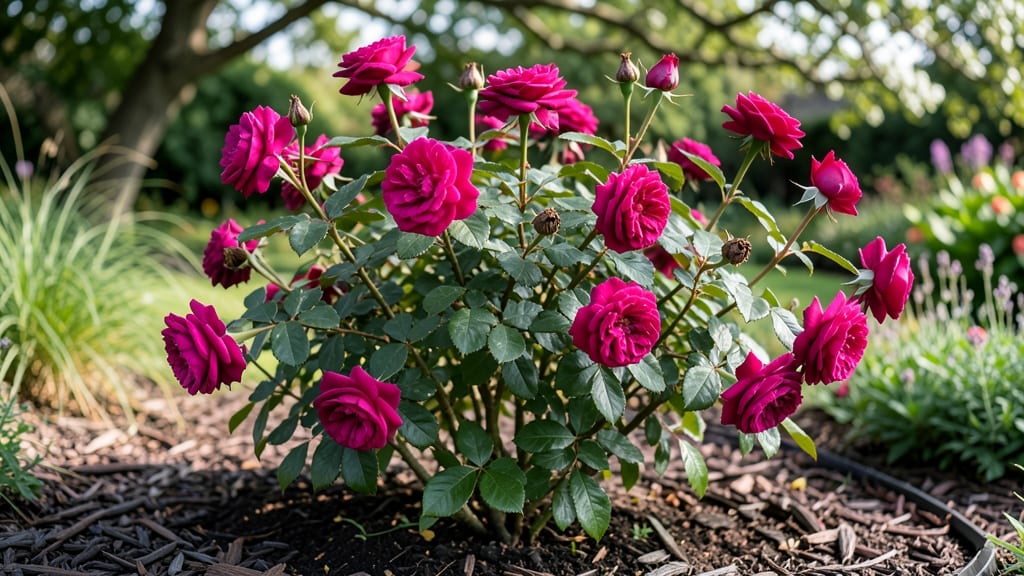
Roses bloom for 5 to 14 days depending on variety, with hybrid teas lasting 7–10 days, floribundas 5–7 days, and climbers up to 14 days. Proper care—watering, pruning, and sunlight—extends bloom time significantly.
Roses don't just bloom—they perform a delicate dance with time, and their variety determines the show's length. 🌹 Hybrid teas, the showstoppers of the garden, typically shine brightest for 7–10 days, while floribundas put on a shorter but vibrant display of 5–7 days.
Climbers, on the other hand, stretch their bloom time to up to 14 days, making them ideal for long-lasting garden drama. What's fascinating is how environmental factors like temperature and humidity can tweak these timelines—cooler mornings often extend petal life, while scorching afternoons can cut it short.
Here's where the magic of care comes in: consistent watering at the base (not the leaves!) and strategic deadheading—the art of removing spent blooms—can add weeks to your roses' performance. I've seen gardeners double bloom cycles by adjusting soil pH and using slow-release fertilizers rich in phosphorus, the bloom booster.
The key is understanding each variety's unique rhythm—some roses are sprinters, others marathon runners in the garden.
💡 In This Article
- Rose Bloom Duration by Variety: Hybrid Teas vs Floribundas vs Climbers
- 5 Proven Tips to Prolong Rose Blooms for Weeks
Rose bloom duration by variety: hybrid teas vs floribundas vs climbers
The bloom duration of roses isn't random—it's genetically programmed by their type. Hybrid teas, like the iconic 'Mr. Lincoln', are bred for dramatic single blooms that last 7–10 days.
Their petals are thicker and more durable, designed to withstand wind and rain while showcasing their velvety texture. 🌸 In contrast, floribundas like 'Iceberg' produce clusters of smaller flowers that bloom 5–7 days each, but their prolific reblooming makes them garden workhorses.
Climbing roses take the longevity crown with blooms lasting up to 14 days. Varieties like 'New Dawn' develop buds gradually along their canes, creating a cascading display where some flowers are always in bloom.
The secret lies in their growth habit—longer stems distribute nutrients more efficiently, sustaining each bloom longer. Seasonally, spring blooms often last 2–3 days longer than summer ones due to cooler temperatures slowing petal degradation.
Petal longevity works through a fascinating biological process. Each petal has a lifespan determined by its cell structure—thicker petals resist dehydration better. Hybrid teas have 3–4 layers of petals compared to floribundas' 2 layers, which is why they hold up longer.
The trade-off? Floribundas produce more blooms per season because they focus energy on quantity over individual bloom duration.
What most gardeners miss is how sunlight exposure affects bloom time. Roses need 6–8 hours of direct sun daily, but too much afternoon sun (especially in summer) can shorten bloom duration by 20–30%.
The heat accelerates transpiration, causing petals to dry out faster. That's why morning sun with afternoon shade often extends blooms by 1–2 days—the cooler temperatures preserve moisture in the petal cells.
Consider these key differences when selecting roses:
- Hybrid teas: Longest individual bloom (7–10 days) but fewer blooms per season
- Floribundas: Shorter blooms (5–7 days) but continuous flowering
- Climbers: Longest overall display (up to 14 days) with gradual blooming
The variety you choose determines not just how long each bloom lasts, but how often you'll get to enjoy them. For maximum impact, hybrid teas shine in cut arrangements, while floribundas and climbers create living tapestries in gardens. 🌿