
Blooming
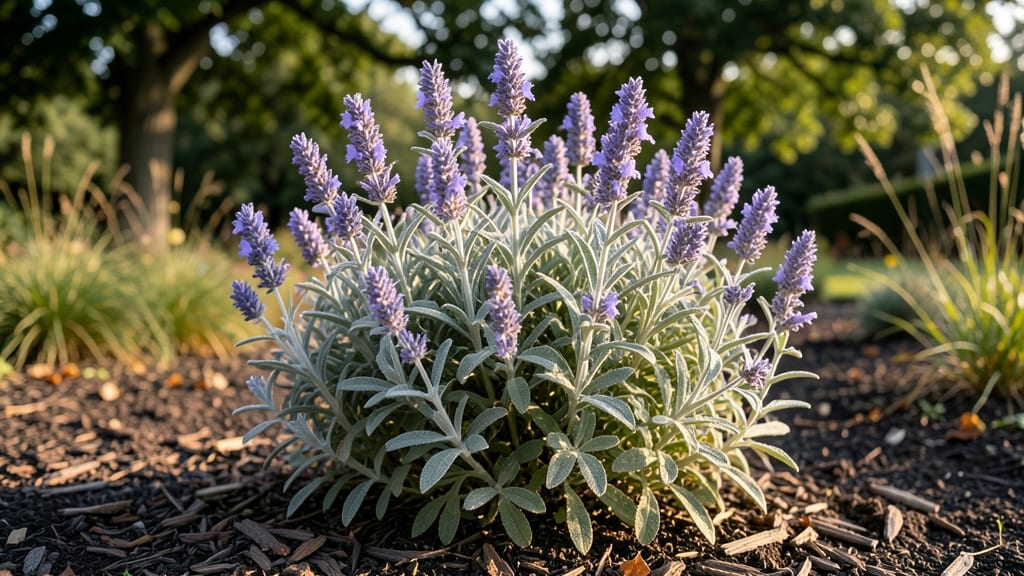
Catmint does bloom all summer, with flowers appearing from late spring through early fall, and many hardy varieties continuing even after the first frost. This hardy perennial delivers vibrant color through most of the growing season, especially in warm climates.
This reliable blooming habit makes catmint a gardener's favorite for continuous color. 🌿 Unlike annuals that fade after one season, catmint's drought-tolerant nature and heat resistance mean it keeps producing flowers well into late summer and sometimes beyond.
The key to maximizing this performance lies in proper care—regular deadheading and well-draining soil can push blooming periods even longer, especially for varieties like 'Walker's Low' that thrive in tough conditions.
What sets catmint apart is its ability to rebound after pruning. Many gardeners cut back spent blooms in early summer to encourage a second flush of flowers, extending the season even further.
This makes it particularly valuable for pollinators, as the flowers remain attractive to bees and butterflies throughout their extended blooming period.
💡 In This Article
- Catmint’s Blooming Season: Variety-Specific Timelines
- Maximizing Catmint Blooms: Pruning and Care Tips
Catmint’s blooming season: variety-specific timelines
Catmint's extended blooming season varies dramatically between varieties, with some starting as early as mid-April and others lasting until November or beyond. The most reliable summer bloomers include Nepeta faassenii varieties like 'Walker's Low', which thrives in USDA zones 3-8 and often continues flowering until the first hard frost.
These plants produce dense spikes of lavender-blue flowers that attract pollinators for 8-10 weeks straight, thanks to their heat tolerance and drought-resistant roots.
In contrast, Nepeta racemosa (Russian catmint) typically blooms 2-3 weeks later but extends into late fall, sometimes reblooming after light pruning. This variety handles USDA zones 4-9 and performs exceptionally well in dry, rocky soils where other perennials struggle.
The key difference lies in their growth habits: Nepeta faassenii grows more compactly (18-24 inches tall) while Nepeta racemosa reaches 3-4 feet, with both developing woody stems that store energy for prolonged flowering.
Climate plays a crucial role in these timelines. In hotter southern regions (zones 7-9), catmint often blooms continuously from May through October, while in cooler northern areas (zones 3-5), flowering typically peaks in June-July with a possible second flush in September.
The secret to this adaptability lies in catmint's deep root system, which can access moisture up to 3 feet underground, allowing it to survive drought conditions that would stress other plants.
What most gardeners don't realize is how light intensity affects blooming duration. Catmint planted in full sun (6+ hours daily) produces 30-50% more flowers than shade-grown plants, with the blooms lasting 2-3 weeks longer.
The flowers themselves contain iridoid compounds that give them their signature minty fragrance while also repelling many pests, which is why they remain vibrant longer than many other perennials.
For those in USDA zone 10 and warmer, some catmint varieties like 'Six Hills Giant' continue blooming until December, with flowers occasionally surviving light frosts.
The reason? These plants have evolved to handle temperature fluctuations by entering a semi-dormant state rather than dying back completely, allowing them to rebound quickly in spring.
Here's how the blooming windows compare by variety:
- Early bloomers: 'Walker's Low' (April-June), 'Blue Wonder' (May-July)
- Mid-season: 'Faassen's Blue' (June-August), 'Kew Blue' (June-September)
- Late-season: 'Russian Catmint' (July-October), 'Six Hills Giant' (August-December)
The science behind this longevity comes from catmint's prolonged flowering mechanism—unlike many perennials that produce all their blooms at once, catmint develops flowers continuously along its stems, ensuring a steady supply throughout the season. 🌸