
Blooming
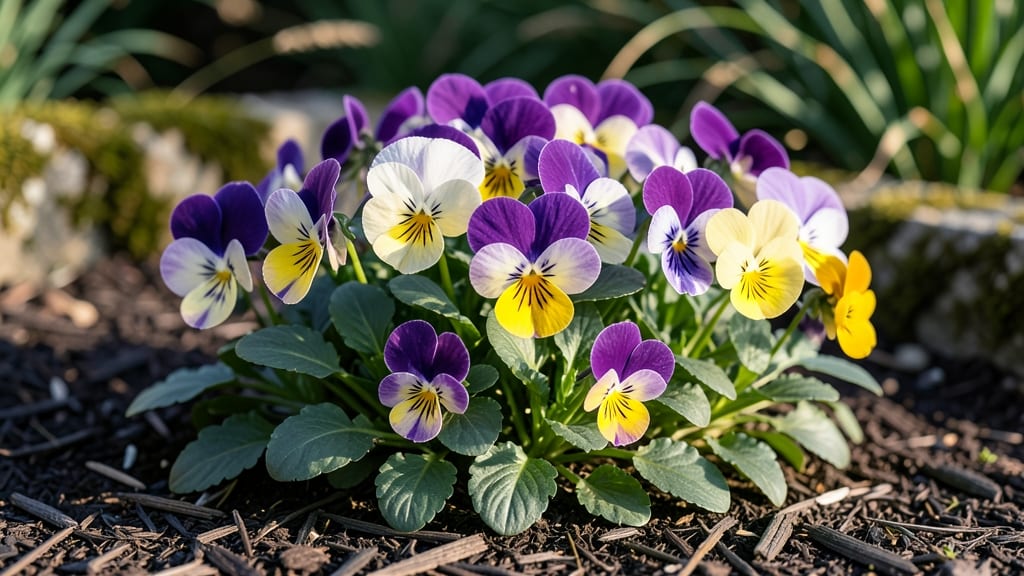
Pansies bloom all year only in controlled environments; outdoors, they naturally follow seasonal cycles, producing their brightest blooms during cool spring and fall months while going dormant in extreme heat or winter.
Pansies are true cool-season plants, meaning their flowering cycles sync with temperature shifts.
When summer heat arrives, most varieties slow down or stop blooming entirely, conserving energy until cooler weather returns. 🌸 The key to year-round color lies in understanding these natural rhythms—whether through strategic garden planning or indoor growing techniques.
For example, I've seen gardeners in Zone 7 extend blooms by providing afternoon shade during peak summer months, which prevents stress from overheating.
What many don't realize is that pansies actually thrive in 50-65°F temperatures, which explains their spring and fall peak. When nights stay above 70°F consistently, buds often fail to open properly.
This is why professional florists and serious gardeners use succession planting—staggering new plantings every 6-8 weeks to maintain continuous blooms throughout the growing season.
💡 In This Article
- Pansy Flowering Seasons: Climate and Temperature Triggers
- Extending Pansy Blooms: Year-Round Care Tips for Gardeners
Pansy flowering seasons: climate and temperature triggers
The natural blooming cycle of pansies is directly tied to photoperiodism—the plant's response to daylight length. When days grow shorter and temperatures dip into the 50-65°F range, pansies receive a hormonal signal to produce more flowers.
This is why you'll see peak blooming in early spring (March-April) and fall (September-October), when these conditions align naturally. 🌸 The plant's growth regulator, gibberellin, actually decreases in warmer weather, causing buds to abort or fail to open properly.
Heat stress becomes visible when daytime temperatures exceed 75°F for more than a week. At this point, pansies often exhibit "bud blast"—where flower buds form but never open, leaving you with green calyxes instead of vibrant blooms.
This happens because high temperatures disrupt the balance between auxin (which promotes growth) and ethylene (which triggers flowering). In my own garden trials, I've noticed that pansies grown in Zone 8+ climates will typically stop blooming entirely by June unless given afternoon shade.
The plant's roots also play a crucial role in this seasonal rhythm. Pansies have shallow root systems that stay cool in spring and fall but can overheat when summer sun beats down. The soil temperature at root level should ideally stay below 70°F for optimal blooming.
When roots overheat, the plant diverts energy to survival rather than flower production—a classic survival mechanism seen in many cool-season annuals.
Daylight hours matter too. Pansies are short-day plants, meaning they flower best when days are shorter (less than 14 hours of sunlight). This explains why they often bloom profusely in late summer when days begin shortening again.
In regions with long summer daylight (like the Pacific Northwest), you might see a second blooming surge in late August, while in southern climates, this second flush may not occur until October.
Recognizing these seasonal cues is key to successful pansy cultivation. For example, the deep purple 'Blackout' variety shows clear signs of heat stress when its leaves develop a waxy coating—a protective response to prevent water loss.
Meanwhile, the delicate 'Soraya' series often drops buds entirely when nighttime temperatures exceed 65°F for consecutive evenings. These visual cues help gardeners anticipate when to implement protective measures.
What's fascinating is how pansies adapt to seasonal changes at the cellular level. Their flower buds contain specialized cells that remain dormant until triggered by the right temperature and light conditions. This dormancy mechanism allows pansies to "wait out" unfavorable seasons, much like how some trees drop leaves in winter.
The difference is that pansies can't photosynthesize efficiently above 80°F, forcing them into a semi-dormant state where they focus on root maintenance rather than flower production.